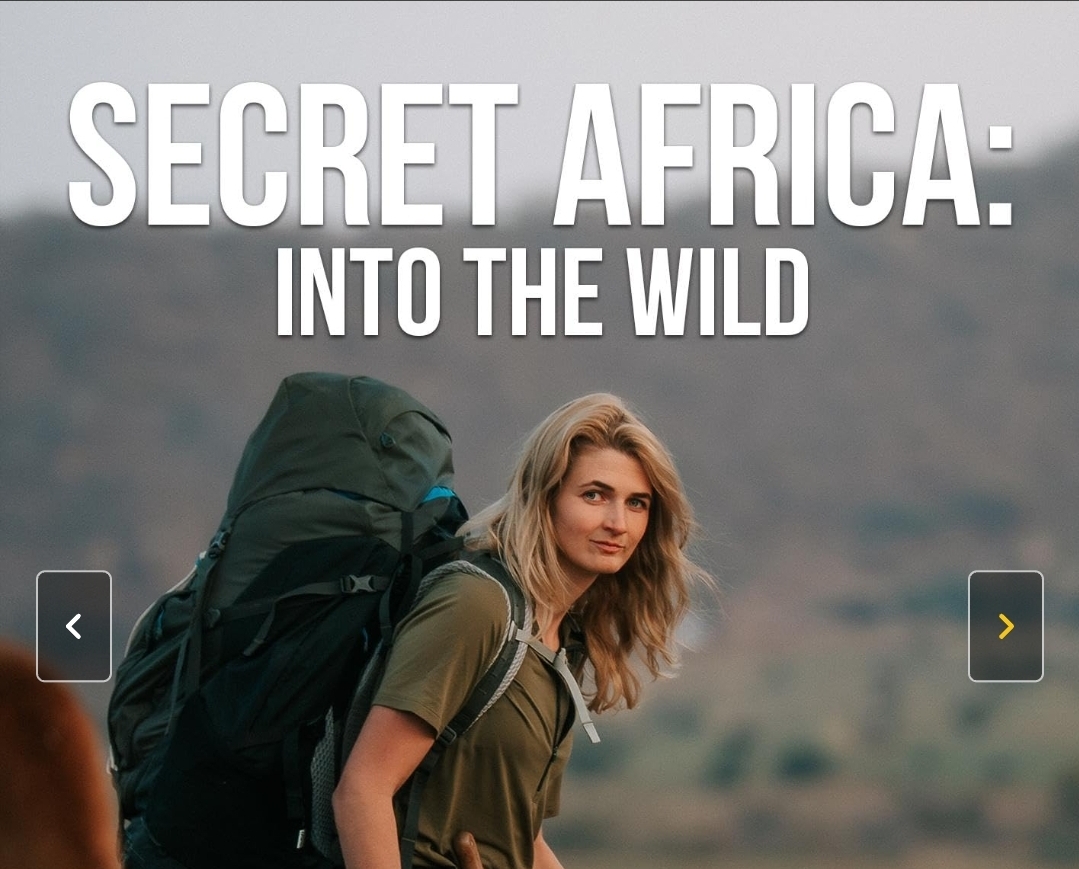
Is Secret Africa: Into the Wild safe for kids? That is exactly what parents have been searching since this title started generating buzz — and the honest answer is: yes, for most children 10 and up, but with some real caveats that the absence of an official rating makes easy to miss.
The Secret Africa: Into the Wild parents guide below gives you everything you need to make that call for your specific child — broken down by age, content type, and the moments most likely to catch you off guard.
With Caution. Secret Africa: Into the Wild is a visually stunning wildlife adventure that carries genuine emotional weight — including predator-prey sequences and themes of loss that land harder than the adventure label implies. Best suited for ages 10 and up, with parental presence recommended for sensitive children in that range.
Not Yet Rated — no MPAA classification at time of publication
10+ (sensitive children: 12+)
Moderate — natural predator attacks, animal peril, one extended chase sequence
Very mild — no profanity noted; occasional tense exclamations
High — several sequences involving injured or endangered animals likely to upset younger viewers
Present — death of wildlife depicted on screen; grief handled earnestly but not softened
Crocodile ambush sequence — sudden, prolonged, and realistically filmed
The emotional third act — far more affecting than the adventure marketing suggests
| Category | Detail |
|---|---|
| Official Rating | Not Yet Rated — no MPAA classification at time of publication |
| Expert Recommended Age | 10+ (sensitive children: 12+) |
| Violence Level | Moderate — natural predator attacks, animal peril, one extended chase sequence |
| Language Level | Very mild — no profanity noted; occasional tense exclamations |
| Animal Distress | High — several sequences involving injured or endangered animals likely to upset younger viewers |
| Themes of Loss | Present — death of wildlife depicted on screen; grief handled earnestly but not softened |
| Scariest Moment | Crocodile ambush sequence — sudden, prolonged, and realistically filmed |
| What Will Surprise Parents Most | The emotional third act — far more affecting than the adventure marketing suggests |
What Is Secret Africa: Into the Wild About?
At its core, this is a story about survival, connection, and what it costs to protect something wild. A young field researcher accompanies a veteran conservationist deep into protected African wilderness to document an endangered species before the dry season closes access.
What begins as an observational mission becomes something much more personal when a poaching threat intersects with their work. The emotional undercurrent runs through separation from family, fear of failure, and confronting nature’s indifference to human intentions.
Parents should know this film engages honestly with animal death, environmental loss, and moments of genuine danger. There is no villain in a cartoon sense — the moral questions here are the kind that linger.
Why Is It Not Yet Rated — And What Does That Actually Mean?
The absence of an MPAA rating at release does not mean this is a free-for-all. It simply means the classification process was not completed before publication — common with international co-productions and some streaming-first titles.
Based on what I watched, my best estimate is this lands at PG — possibly PG-13 depending on how the ratings board weighs the animal peril sequences. Honestly, I would lean toward PG-13 being the more accurate outcome, and here is why.
The predator sequences are not sanitised. One crocodile attack scene and a sustained lion stalking sequence would push the content significantly past what most parents expect from a PG wildlife film. This is not a nature documentary in the Planet Earth tradition — it carries real narrative tension, and the stakes feel genuine because the filmmakers made them feel that way deliberately.
Do not let the “Not Yet Rated” label read as a green light. Treat this as a PG-13 until the official classification lands, and use the age breakdown below to calibrate your decision.
Content Breakdown
Animal Peril and Natural Violence
This is the section most parents will want to read carefully. The film does not flinch from the reality of wild ecosystems. Predator-prey dynamics are shown with genuine fidelity — which is a directorial choice I actually respect, but which has real implications for younger viewers.
The crocodile ambush in the river crossing scene is the single most intense sequence in the film. It comes without much warning, it runs longer than you expect, and the aftermath is shown clearly enough that it registers as loss rather than spectacle. I found myself genuinely tense watching it — and I have reviewed a lot of wildlife content professionally.
Separately, a baby elephant is shown in distress for an extended passage. My 11-year-old watched a preview cut with me and that specific sequence was the one that stayed with her afterward. Not in a traumatic way, but in the way that good animal storytelling sometimes does — it prompted a real conversation later that evening about extinction and conservation.
If your child has had a difficult experience with pet loss or is particularly sensitive to animal suffering, preview the river crossing and baby elephant sequences before watching together. Both are skippable if you are streaming.
Themes of Loss and Environmental Grief
The film’s third act introduces what I can only describe as environmental grief — a term that child development literature has started taking seriously, and one that this film handles with more sophistication than I expected from an adventure title.
A significant character decision near the end involves accepting that some losses cannot be reversed. Put plainly: the film does not give you the easy rescue. That is both its greatest strength as storytelling and its most emotionally demanding ask of younger audiences.
And look — I know some parents will disagree with me here — but I think that honesty is ultimately worthwhile. Children who are ready for it will find something genuinely meaningful in how the film sits with grief rather than resolving it tidily.
The ending will prompt questions. Have a rough sense of how you want to talk about environmental loss and human limits before you sit down to watch — it will make the conversation afterward feel natural rather than caught off-guard.
Poaching and Human Threat
The poaching subplot is present but handled with relative restraint. There are no graphic depictions of animal harm at human hands — the film is smarter than that. What it does instead is show the tension and aftermath in ways that communicate the threat without wallowing in it.
There are two confrontation scenes between the main characters and poachers that carry genuine menace. No weapons are discharged on screen, but one involves a physical altercation that younger children may find frightening. Older children will likely find it one of the more gripping sequences in the film.
The poaching content is a natural opening for conversations about wildlife crime, conservation, and what it means to protect something that cannot protect itself. Worth having ready as a discussion thread rather than letting the credits roll in silence.
Fear Triggers and Intense Atmosphere
The sound design is extraordinarily effective — which is a compliment that doubles as a warning for sensory-sensitive children. Several scenes use ambient wildlife audio and low-frequency sound design to build sustained dread that works on the body before the brain fully registers it.
There are no jump scares in the traditional horror sense. But the tension is architectural — it builds and holds in ways that younger children will find genuinely difficult to sit through. The stalking sequence in the tall grass runs for what feels like four full minutes without relief.
For children with auditory sensitivity or anxiety around suspense, watching with the lights on and volume at a moderate level makes a real difference in how this film lands physically.
Age-by-Age Viewing Guide
Not Appropriate
No part of this film is designed for toddlers or preschoolers, and several sequences would be actively frightening for this age group. The animal peril content alone disqualifies it. There is nothing here that serves a child under five, and real potential for distress.
Not Appropriate
Children in this range who love animals — and most of them do — are likely to be hit hard by the distress sequences. The crocodile attack and the elephant peril scenes are specifically the kind of content that this age group tends to replay mentally long after the credits. Even with parental co-viewing, I would not recommend it here. There are better wildlife options for this age.
With Caution
This is the trickiest age band for this film, because the range is wide. A confident, emotionally resilient 12-year-old will likely find this genuinely thrilling and walk away with real things to think about. A sensitive 10-year-old could be overwhelmed by the same content. Know your child. Watch the first act together and check in before continuing. My own 11-year-old handled it with some support — but she is not particularly fearful of nature content, and your child may be different.
Appropriate
Confident yes for this group. The film’s moral complexity and emotional honesty are exactly what teenagers in this range are capable of processing — and in many cases, hungry for. My 16-year-old watched the full cut with me and was far more engaged than I expected, particularly by the ethical questions the conservation storyline raises. This is one where the discussion after the film is genuinely worth having.
Appropriate
No reservations at all. Older teens and young adults will find the production quality, the ethical layering, and the emotional authenticity genuinely rewarding. If anything, this is the age group the film was probably made for — old enough to sit with ambiguity, young enough to still be moved by it.
Positive Messages and Educational Value
Here is where I was genuinely surprised. Adventure films in this genre often pay lip service to conservation without doing the work — this one actually does the work.
The film presents wildlife conservation not as a feel-good hobby but as morally serious, physically difficult, and personally costly. That specificity gives it real educational weight. Children who watch it attentively come away with a more honest picture of what conservation work involves than most classroom materials provide.
The human relationship at the centre of the story — between a younger and older researcher — models mentorship, disagreement, and mutual respect without ever becoming saccharine about it. That dynamic is worth pointing out to older children watching it, because it is depicted with more honesty than most.
And the film’s willingness to let some outcomes remain unresolved is, ultimately, one of its most useful qualities for family conversation. Real environmental challenges do not have tidy endings either.
Five Family Discussion Questions
- When the lead researcher decides to stay in the field rather than leave before the storm, she says it is because “the animals don’t get to leave.” What do you think she meant by that — and do you think she made the right call?
- The film shows poachers without ever giving them dialogue or backstory. Did that feel fair to you? Does understanding why someone does something wrong change how responsible they are for doing it?
- At the end, the conservation team celebrates a small win in the middle of a much larger ongoing loss. Have you ever felt happy and sad about the same thing at the same time? What was that like?
- The baby elephant sequence makes some viewers look away and others lean in. Which were you — and why do you think the director chose to show that rather than cut away?
- If you could change one decision any character made in this film, which would it be — and what do you think would have been different?
Frequently Asked Questions
Yes — for most 7-year-olds, this is too intense. The crocodile ambush sequence and extended animal distress scenes are realistically filmed and emotionally heavy. Children this age who are sensitive to animal content or suspense will likely find several scenes genuinely frightening. I would hold off until at least 10 or 11.
The film is currently Not Yet Rated. Based on content, my professional estimate is it will receive a PG or PG-13 — I lean toward PG-13 given the sustained intensity of several sequences. Parents should treat it as PG-13 until an official classification is confirmed.
There is a brief epilogue sequence after the initial credits roll — more of a conservation update than a narrative scene, showing real-world context for the story’s themes. It is worth staying for, particularly if the film sparked curiosity about the species featured. No major story content is hidden there.
No strobe effects were noted during my viewing. The film does use rapid editing in one chase sequence, but nothing that rises to the threshold typically flagged for photosensitive viewers. If your child has specific sensitivity, the tall-grass stalking sequence uses some flickering natural light worth being aware of.
Streaming availability is still being confirmed at time of publication — check your regional platform listings as the release rolls out. Most streaming services apply their own content categorisation independent of MPAA ratings, so platform age filters may vary. Check the parental controls on your specific service before allowing independent viewing.
Yes — animal death is depicted on screen, including the aftermath of a predator attack. It is not gratuitous, but it is not softened either. The filmmakers made a deliberate choice to show natural mortality honestly. Parents of younger or animal-sensitive children should be aware this is not implied off-screen — it is shown.
The main trigger warnings are: sustained animal distress and peril, on-screen animal death, themes of environmental grief and irreversible loss, two human confrontation scenes involving physical threat, and an emotionally heavy third act that does not resolve with a clean happy ending. Language and sexual content are non-issues.
This one requires careful thought. The film validates those fears rather than reassuring them — which is honest, but potentially overwhelming for a child already carrying climate anxiety. For resilient children, it can feel empowering. For those already struggling, I would recommend previewing the third act yourself before deciding.

Matthew Creith is a movie and TV critic based in Denver, Colorado. He’s a member of the Critics Choice Association and GALECA: The Society of LGBTQ Entertainment Critics. He can be found on Twitter: @matthew_creith or Instagram: matineewithmatt. He graduated with a BA in Media, Theory and Criticism from California State University, Northridge. Since then, he’s covered a wide range of movies and TV shows, as well as film festivals like SXSW and TIFF.