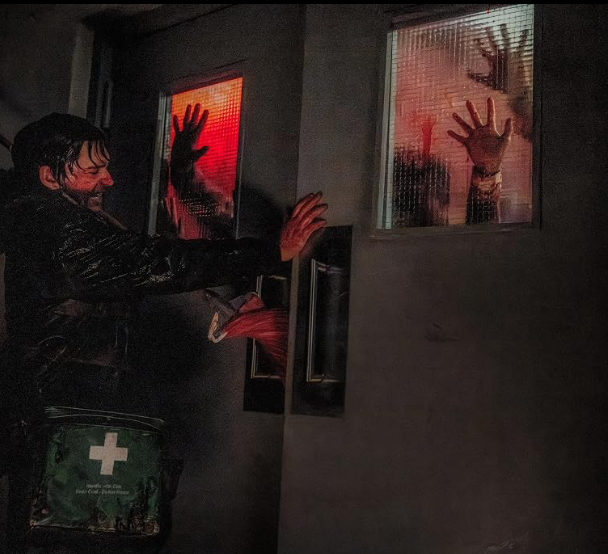
Is Resident Evil 2026 safe for kids? No — and this is a case where even the franchise name alone should tell you most of what you need to know. The Resident Evil franchise has never been made for younger audiences, and based on everything we know about this upcoming entry, that has not changed. Here is everything behind that answer.
Resident Evil Parents Guide — Direct Answer
Quick-Scan Safety Card
| Category | Detail |
|---|---|
| Official Rating | Not Yet Rated — expected R (MA15+ in Australia) |
| Expert Recommended Age | 16+ (my professional opinion) |
| Violence Level | High — graphic creature attacks, body horror, gunplay, likely blood and gore throughout |
| Language Level | Moderate to strong — expect frequent profanity consistent with prior films |
| Horror and Fear Factor | Sustained dread, jump scares, grotesque transformations — designed to frighten adults |
| What Will Surprise Parents Most | Character deaths tend to be slow and disturbing, not quick — emotional weight may catch some off guard |
What Is Resident Evil About — No Spoilers
The Resident Evil franchise centres on bioweapon outbreaks that turn people into horrific creatures. Characters — usually tied to military or police units — fight to survive in confined, claustrophobic environments. The tone is dread-soaked, dark, and unrelenting.
What parents need to know is that this is survival horror at its core. Think abandoned corridors, something lurching around a corner, and a constant feeling that safety is never guaranteed. The emotional experience is not fun-scary. It is genuinely unsettling.
Previous films and the source video games explore themes of corporate corruption, human experimentation, and loss of humanity — both literal and figurative. Expect this entry to follow that same emotional blueprint. If your child is easily frightened by body horror or sustained tension, this will be deeply uncomfortable viewing.
Why Is It Rated Not Yet Rated?
The film has not received its official classification yet since it is slated for a September 2026 release in Australia. However, every previous live-action Resident Evil film has landed an R rating in the US and MA15+ or R18+ in Australia. I would be genuinely shocked if this one broke that pattern.
Here is my honest assessment: even if this lands at MA15+, I would argue the Resident Evil age rating should functionally be treated as 16-plus by most families. The Australian MA15+ classification permits unsupervised viewing at 15, but the kind of sustained horror this franchise delivers tends to sit heavier than that rating suggests.
The gap between “technically permitted” and “actually ready for it” matters here. I have seen too many 13- and 14-year-olds come away from horror like this with sleep disruption that lasted weeks. The rating gives you a legal minimum. Your knowledge of your child gives you the real answer.
Content Breakdown
Violence and Gore
Resident Evil films do not do restrained violence. They do graphic, visceral, designed-to-shock violence. Previous entries included scenes of characters being torn apart, mutated creatures bursting through human bodies, and extended gunfight sequences with explicit blood effects.
Expect this instalment to lean even harder into that territory. Modern horror production has only expanded what filmmakers can render convincingly on screen. The violence is not cartoon violence. It aims to disturb, and it succeeds.
My 16-year-old can handle most action violence without flinching, but the body horror in previous Resident Evil films gave even her pause. There is a difference between a character getting punched and a character watching their own body transform into something inhuman. That second category hits differently.
If your teen has not seen previous Resident Evil films, do not use this as a starting point. Watch one of the earlier entries together first and gauge their reaction before deciding on the 2026 film.
Horror and Sustained Dread
This franchise does not rely on a single big scare. It builds an atmosphere where you never feel safe. Hallways are too quiet. Doors open too slowly. Creatures arrive when you have just started to relax.
Jump scares are the easy part — most teens can handle a sudden loud noise. What is harder to process is the sustained tension that sits in your chest for twenty minutes straight. Resident Evil has always been expert at that kind of dread, and I expect the 2026 film to deliver it in abundance.
For younger viewers especially, this kind of prolonged anxiety can linger long after the credits roll. It is not the monster they remember. It is the feeling of waiting for the monster.
If your child struggles with anxiety or has difficulty separating fictional fear from real-world worry, this film will almost certainly exacerbate that. Take that seriously.
Body Horror and Mutations
This deserves its own section because it is the element of Resident Evil that catches parents off guard most often. Characters in this franchise do not simply die. They change. Skin splits. Limbs elongate. Faces distort. The transformation from human to creature is shown in detail, and it is designed to be revolting.
Body horror taps into a fundamentally different fear than standard movie violence. It asks: what if your own body became the threat? For adolescents still figuring out their relationship with their changing bodies, that question can land harder than adults expect.
Body horror is the single most common reason younger teens report lingering distress from horror films. If your child is sensitive to medical imagery, bodily transformation, or loss of physical control, consider this a hard stop.
Language
Previous Resident Evil films have included strong language — scattered F-words, frequent use of milder profanity, and intense exclamatory language during action sequences. Nothing unusual for an R-rated action-horror film. Expect similar here.
Honestly, the language is the least of your concerns with this title. If you have reached the point where profanity is your primary worry, the violence and horror content should have already given you pause long before.
Themes and Emotional Content
The franchise consistently returns to questions about unchecked corporate power, the ethics of biological experimentation, and what happens when profit is prioritised over human life. These are not subtle metaphors. They are delivered through monstrous, literal consequences.
There are also themes of survival, loyalty under extreme pressure, and sacrifice. Characters regularly face impossible choices. These elements add genuine emotional weight, which means the film is not purely shock value — but that emotional depth can also make the disturbing content hit harder.
If your older teen does watch this film, the corporate ethics angle offers a genuine conversation starter. Ask them what they think the film is saying about power and responsibility — the answers might surprise you.
Age-by-Age Viewing Guide
Absolutely not. Not even a question. The imagery in any Resident Evil film — creatures, blood, body horror, screaming, darkness — would be traumatising for a child this age. There is no version of supervised viewing that makes this acceptable for a preschooler.
Still firmly no. Children in this range are developing their understanding of what is real and what is not. Sustained horror with realistic effects can blur that line badly. Even kids who say they “like scary stuff” are usually referring to Goosebumps-level scares, not graphic body horror. Keep them well away from this one.
I know some parents of 12- and 13-year-olds will push back here, especially if their kids play the Resident Evil video games. But there is a difference between controlling a character through a horror scenario and sitting passively while graphic imagery is projected at you. The film medium strips away the sense of agency that makes game horror manageable. For most kids in this bracket, this is too much.
This is the grey zone, and honestly it depends entirely on your specific teenager. A mature, horror-experienced 15-year-old who has already seen R-rated horror without lasting distress? Probably fine with parental discussion afterwards. A 14-year-old who has mostly watched Marvel films? Not ready. You know your child. Trust that knowledge over any rating system — mine included.
This is the audience the film is made for. Older teens and adults who enjoy survival horror will find this right in their wheelhouse. The content is intense but should be manageable for viewers in this age range who have some familiarity with the genre. Still worth a conversation afterwards if your 17-year-old seems quieter than usual leaving the cinema.
Positive Messages and Educational Value
Let me be straightforward: nobody watches Resident Evil for educational value. That said, the franchise does carry legitimate thematic weight about institutional accountability and the consequences of treating science as a purely profit-driven enterprise.
The survival elements consistently reward cooperation, quick thinking, and selflessness. Characters who act solely out of self-interest tend to meet ugly ends. There is a moral framework here, even if it is delivered through a haze of zombie blood.
For older teens who do watch this, the strongest educational angle is media literacy itself. How does a horror film manipulate your emotions? Why does the director show you the hallway before the creature appears? Understanding how fear is constructed on screen is a genuinely useful skill.
Five Family Discussion Questions
- The Umbrella Corporation in Resident Evil hides dangerous research from the public. Can you think of real-world examples where companies concealed risks — and what should have happened differently?
- Why do you think the film shows the transformation from human to creature in such detail instead of cutting away? What effect is the director trying to create, and did it work on you?
- Characters in survival horror often have to decide whether to help others or save themselves. Where would you honestly draw that line, and does your answer change when you picture it happening for real?
- Horror films use sound, lighting, and pacing to build fear before anything scary actually appears on screen. Can you identify a specific moment where the film made you afraid using only atmosphere?
- The creatures in Resident Evil were once ordinary people. How does knowing that change the way you feel about the action sequences compared to a film where the enemies were never human?
Frequently Asked Questions
Yes, for most 12-year-olds. The franchise is built on sustained dread, graphic body horror, and jump scares designed for adult audiences. Even horror-curious preteens are likely to find the intensity level well beyond what they are prepared for. I would recommend waiting a few years.
We do not have confirmed details yet since the film does not release until September 2026. Previous Resident Evil films have included post-credits teases for sequels. I would recommend staying through the credits to be safe — and I will update this guide once the film is out.
Previous Resident Evil films have included flickering lights, muzzle flashes, and emergency lighting sequences that could affect photosensitive viewers. Expect similar here. If your child has photosensitive epilepsy, check for specific advisories closer to the Australian release date.
The film is set for theatrical release on 17 September 2026 in Australia. Streaming availability has not been announced yet. Previous Resident Evil films have appeared on various platforms after their cinema window. Check back closer to release for confirmed Resident Evil streaming age limit details and platform information.
Based on current reporting, this appears to be a fresh adaptation closer to the original video game source material rather than a continuation of the Milla Jovovich series or the 2021 reboot. Exact continuity details should become clearer as marketing ramps up.
No. Previous Resident Evil films have been designed as standalone experiences that borrow settings and characters from the games. Your teen does not need any game knowledge going in. That said, game fans will likely catch references and Easter eggs that casual viewers will miss.
Key content warnings include graphic violence, body horror and physical mutation, jump scares, claustrophobic settings, human experimentation, character deaths shown in detail, and sustained psychological dread. If your child is sensitive to any of these, treat this as a firm no.

Stephanie Heitman is a seasoned journalist and author dedicated to helping parents navigate the world of Hollywood entertainment through thoughtful, family-oriented film reviews. With over a decade of experience in writing and a passion for fostering safe, enriching viewing experiences, Stephanie launched Parentguiding.com to provide parents with the insights they need to make informed choices for their families.