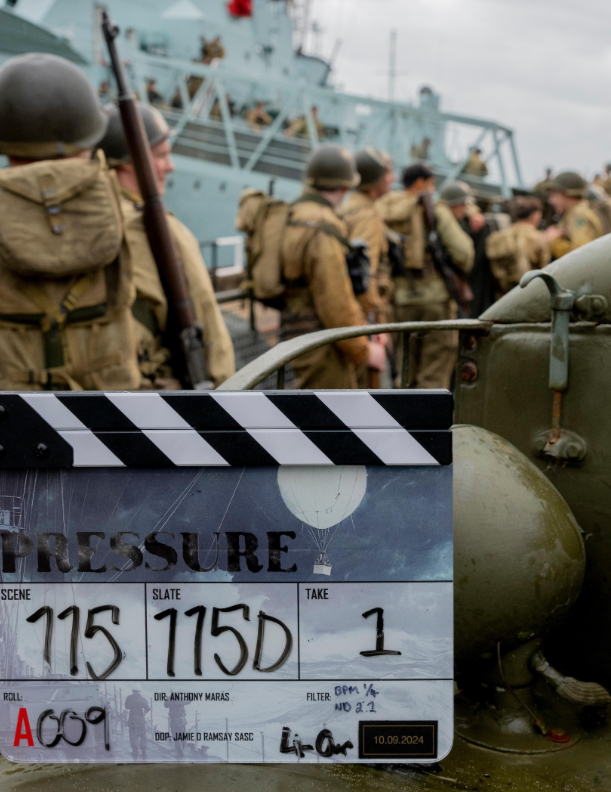
When I screen films for this site, I take notes throughout. For Pressure I stopped writing about forty minutes in and didn’t start again for a while. One of the divers is trapped, and the oxygen situation becomes very real very fast. The claustrophobia isn’t jump-scare claustrophobia. It’s the slow, suffocating kind — the kind that sits on your chest.
That scene, and the long stretch of escalating dread that follows it, is why you’re reading this Pressure parents guide. It’s not gore. It’s not violence in the conventional sense. It’s the dawning, inescapable awareness that these men may die slowly, in the dark, at the bottom of the ocean. And the film lets you feel every second of it.
Is Pressure Safe for Kids? The Direct Answer
Quick-Scan Safety Card
| Category | Detail |
|---|---|
| Official Rating | Not Rated in the US; rated 15 by the BBFC in the UK for strong language and threat |
| Expert Recommended Age | 14+ (some mature 12-year-olds with parental co-viewing) |
| Violence Level | Moderate — drowning sequences, physical injuries from pressure, one death depicted on screen |
| Language Level | Strong — frequent use of “f**k” and “s**t” throughout, especially during crisis moments |
| Psychological Intensity | High — sustained claustrophobia, oxygen deprivation anxiety, interpersonal conflict under extreme stress |
| What Will Surprise Parents Most | How relentless the tension is — no comic relief, no subplot, no breathing room for the audience either |
What Is Pressure About — No Spoilers
Four deep-sea divers working on an oil pipeline off the coast of East Africa get stranded on the ocean floor when a sudden storm hits. Their diving bell is severed from the surface vessel. They’re trapped with limited oxygen, dwindling supplies, and no communication with the world above.
That’s essentially the whole film. It’s a contained survival thriller — four men, one small space, a lot of fear. If I were describing it at school pickup, I’d say: imagine being stuck in a car at the bottom of a swimming pool, except the swimming pool is the Indian Ocean and nobody knows you’re down there.
The emotional triggers here are claustrophobia, helplessness, grief, and watching people turn on each other under impossible stress. It’s a quiet kind of frightening. My 14-year-old watched it with me and later said, “That was scarier than any horror movie.” She was right.
Why Is Pressure Rated Not Rated?
Pressure didn’t receive an MPAA rating for its US release, which was limited. In the UK, the BBFC gave it a 15 certificate for strong language and threat. That feels about right to me, though I’d argue the sustained psychological threat alone justifies it.
The “Not Rated” label in the US is tricky for parents because it tells you absolutely nothing. It doesn’t mean the content is mild. It means nobody submitted it to the MPAA for classification, likely because the film had a small distribution deal. If it had been rated, I’d expect a solid PG-13 or even an R — primarily for the language and the intensity of the threat sequences.
The BBFC’s 15 rating accounts well for the profanity and the drowning peril. But here’s what the rating doesn’t capture: the cumulative emotional weight. This film doesn’t let up. There’s no relief scene. For anxious kids especially, that relentlessness is a bigger concern than any individual moment of content.
Content Breakdown
Claustrophobia and Psychological Tension
This is the core concern for families, and it starts early. Once the diving bell settles on the ocean floor, the camera stays tight. You feel the walls. You hear the breathing. The film uses sound design brilliantly — every creak of metal, every hiss of escaping air tells you something is wrong.
There’s a sequence roughly halfway through where the oxygen gauge becomes the focus. The men know how much time they have. We know how much time they have. The film just… sits there with you in that knowledge. I found it genuinely difficult to watch, and I’m a grown adult who screens films for a living.
If your child has any anxiety around enclosed spaces, breathing difficulties, or drowning, this film will very likely trigger those fears directly. Preview it first or skip entirely for anxious kids.
Violence and Physical Peril
The violence isn’t action-movie violence. It’s survival violence — the kind where someone gets hurt by the environment. There are injuries from water pressure effects, and at least one death is shown with enough detail that younger viewers will find it upsetting. A body is seen in water after death.
One sequence involves a character attempting to swim to the surface. The physical toll of that attempt is depicted with uncomfortable realism. You see the physical cost of desperation on a human body under extreme conditions.
The deaths here aren’t gratuitous, but they are real and sobering. The film treats dying with weight rather than spectacle, which may actually be harder for some children to process than fantasy violence.
Language
Frequent strong language throughout. The f-word appears regularly, and other profanities like “s**t” and “bastard” come up repeatedly. It’s contextually authentic — these are terrified working men under extreme duress, not scripted profanity for shock value.
That said, if language is a hard line in your household, this film crosses it early and often. It’s not decorative. It’s how these characters express terror.
The language here reflects real crisis speech. If your family has already navigated R-rated films with strong language, this won’t be new territory. If not, be prepared for frequent f-bombs from the opening act onward.
Interpersonal Conflict and Emotional Distress
Watching people break down under pressure — pun acknowledged — is its own category of content concern. The men argue. Blame gets assigned. Alliances fracture. One character in particular becomes increasingly unstable, and the paranoia that develops between the group is deeply unsettling.
There are moments where the emotional cruelty between characters is honestly harder to watch than the physical danger. My son, who’s 16, said the arguing bothered him more than the drowning scenes. That surprised me, but it makes sense — kids can distance themselves from ocean floors, but not from adults turning on each other.
Use the interpersonal breakdown as a discussion point rather than simply content to endure. Ask your teen how they think they’d handle conflict under that kind of stress. It opens genuinely interesting conversation.
Pressure Age Rating: Age-by-Age Viewing Guide
Absolutely not. The dark underwater setting, the sounds of men in distress, and the constant tension would be frightening and confusing for very young children. There’s nothing here for this age group, and the risk of genuine nightmares is high. Even background viewing while a small child is in the room is a bad idea — the sound design alone carries intense dread.
Still too intense. Children this age are developing their understanding of death and mortality, and this film presents dying as slow, real, and terrifying. The strong language alone puts it beyond this age range, but the emotional content is the bigger concern. Even kids who handle action films well will likely find the sustained anxiety of Pressure overwhelming. There are no light moments to recover in.
This is the grey zone, and honestly it depends so much on your specific child. A mature 13-year-old who has shown they can handle tense films — and who isn’t prone to anxiety — might find Pressure a gripping watch with a parent beside them. An 11-year-old who still gets unsettled by dark rooms? Not yet. If your child is in this range and interested, I’d recommend watching it yourself first and making a judgment call based on what you know about their emotional resilience.
Most teenagers 14 and up can handle this film, particularly those with any interest in survival stories or ocean-related themes. The Pressure age rating of 15 from the BBFC feels well-calibrated for this group. The language won’t shock most teens, and the tension — while intense — is the kind that sparks conversation rather than nightmares. Co-viewing is still worthwhile because the ethical dilemmas are genuinely interesting to discuss.
No concerns for this age group beyond personal sensitivity to claustrophobic situations. Adults and older teens will appreciate the stripped-back filmmaking and strong performances. If you’re an adult who dislikes confined-space thrillers — you know who you are — this one will get under your skin. Fair warning.
Positive Messages and Educational Value
I’ll be straight with you: Pressure is not an educational film. It’s a survival thriller. But that doesn’t mean families can’t find value here.
The film raises genuine questions about leadership under crisis. Who do you follow when everyone is afraid? When is it brave to attempt escape, and when is it reckless? These aren’t abstract questions — the film puts them in life-or-death terms that teenagers in particular find compelling.
There’s also real educational value in the deep-sea diving context. The film depicts saturation diving — a real and extremely dangerous profession. My youngest, who’s 11, didn’t watch it but overheard us discussing it afterward. She spent the rest of the evening researching deep-sea diving and came back with a dozen questions about water pressure and decompression sickness. Sometimes a film’s greatest educational value is the curiosity it sparks.
Five Family Discussion Questions
- When the group disagrees about whether to attempt swimming to the surface or waiting for rescue, which side would you have taken — and why?
- One character handles fear very differently from the others. What did you notice about how fear changed the way each man treated the people around him?
- The storm that caused the crisis was predicted but the company pressed ahead with the dive anyway. Who bears responsibility for what happened — the company, the crew leader, or both?
- How did the film use sound and darkness to create tension? Can you think of a moment where what you heard was scarier than what you saw?
- If you were trapped with three other people in a small space with limited air, what personal quality do you think would matter most — calmness, physical strength, knowledge, or something else?
Frequently Asked Questions
No. The sustained psychological tension, claustrophobic setting, depictions of death, and frequent strong language make Pressure unsuitable for children under 12. Even mature preteens may find the relentless anxiety difficult to process without adult support.
Yes, very much so. The entire film takes place in a dark, cramped diving bell on the ocean floor. If your child is sensitive to enclosed spaces or darkness, this film will almost certainly heighten those fears significantly. Skip it for anxious children.
No. Pressure does not contain a post-credits scene. The film ends with its final sequence and credits roll without additional footage. You can safely stop watching once the credits begin.
The film is predominantly dark with limited lighting inside the diving bell. There are some flickering light effects from failing equipment, but no sustained strobe sequences. Parents of children with photosensitivity should still preview the underwater torch scenes.
Availability varies by region and changes frequently. As of recent checks, Pressure has appeared on Amazon Prime Video and various digital rental platforms. Search your preferred streaming service or check JustWatch for current Pressure streaming age limit and availability details.
Yes. Without spoiling specifics, not all four divers survive. Death is depicted with sober realism rather than graphic gore, but the emotional weight of each loss is significant. Parents should be prepared for conversations about mortality afterward.
Key Pressure trigger warnings include drowning, claustrophobia, suffocation anxiety, oxygen deprivation, death of characters on screen, intense interpersonal conflict under extreme stress, and frequent strong profanity. The tension is sustained with virtually no relief throughout the runtime.

Stephanie Heitman is a seasoned journalist and author dedicated to helping parents navigate the world of Hollywood entertainment through thoughtful, family-oriented film reviews. With over a decade of experience in writing and a passion for fostering safe, enriching viewing experiences, Stephanie launched Parentguiding.com to provide parents with the insights they need to make informed choices for their families.