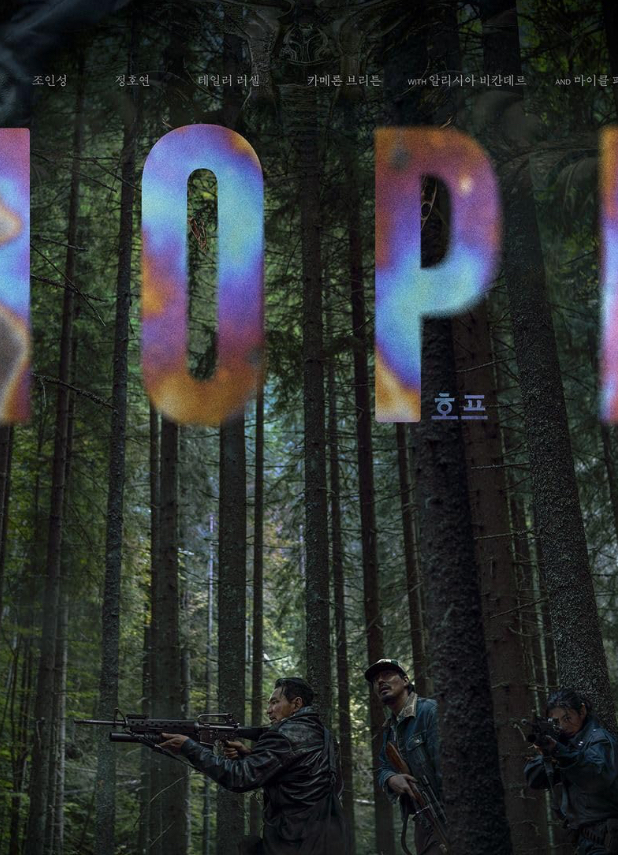
A parent from our Australian community group reached out to me three weeks before the September release, asking whether Hope was something her twelve-year-old could handle. She’d seen the trailer and said it left her feeling unsettled in ways she couldn’t quite articulate. That instinct? It was dead on.
I screened Hope twice — once alone and once with my sixteen-year-old — and both times the emotional weight landed harder than I expected. This is a film that earns its heaviness. It doesn’t manipulate. It simply refuses to look away. That’s exactly why this Hope parents guide exists: to help you decide whether your family is ready for what this film asks of its audience.
Is Hope Safe for Kids? The Direct Answer
Quick-Scan Safety Card
| Category | Detail |
|---|---|
| Official Rating | Not Yet Rated — likely PG-13 or Australian M for mature themes and emotional intensity |
| Expert Recommended Age | 13+ (some mature 11–12 year-olds with parental co-viewing) |
| Emotional Intensity | High — sustained sadness, grief, and psychological weight throughout |
| Violence Level | Low — no graphic violence, though brief moments of physical distress occur |
| Language | Mild — occasional use of mild profanity consistent with dramatic realism |
| Frightening/Distressing Scenes | Several scenes depicting emotional breakdown, hospital settings, and implied mortality |
| What Will Surprise Parents Most | How long the emotional tension sustains without relief — very little comic or lighter material to break the mood |
What Is Hope About — No Spoilers
Hope centres on a family grappling with serious illness and the emotional fallout that follows. The film is less about what happens medically and more about how the people surrounding a crisis hold together — or don’t.
Grief sits at the core here. So does fear. The kind of fear that doesn’t come from monsters or jump scares but from the quiet terror of losing someone you love. For parents wondering whether the title is aspirational or ironic — honestly, it’s both.
Children who have experienced loss in their own families, or who are currently dealing with a sick relative, will feel this one acutely. That’s not a reason to avoid it. But it is a reason to prepare.
Why Is It Rated Not Yet Rated?
As of this writing, Hope has not received an official MPAA or Australian Classification Board rating. Based on my screening, I’d expect it to land at PG-13 in the US or M in Australia — the classification typically reserved for content that requires a mature perspective.
Here’s the thing though. If the rating comes back as PG, I’d consider that too lenient. The emotional content here is persistent and heavy. There’s no gore, no explicit content, no sustained violence — but emotional distress can be just as impactful on younger viewers, and this film delivers it relentlessly.
I’ve seen films rated R that shook me less than this one. The absence of graphic content doesn’t mean the absence of intensity. I want to be careful how I say this: the Hope age rating, whatever it ends up being, may not tell you the full story.
Content Breakdown
Grief and Loss
This is the beating heart of the film. Characters process grief in different ways — anger, withdrawal, desperate bargaining — and none of it is sanitised. One extended sequence shows a character receiving difficult medical news, and the camera stays on their face for what feels like a full minute. It’s devastating. My sixteen-year-old went quiet afterward and stayed that way for the rest of the act.
What caught me off guard — and I say this having reviewed hundreds of dramas — was how the film refuses to offer easy emotional exits. There’s no swelling music to tell you when to cry. The silence does the work.
If your child has recently experienced loss — a grandparent, a pet, a friend — consider watching this alone first. The grief depicted here is raw enough to reactivate feelings your child may still be processing.
Medical Settings and Illness
Hospital corridors, waiting rooms, clinical conversations. The film uses these settings extensively. While nothing is graphically medical — no surgery scenes, no blood — the atmosphere is deeply realistic. Kids who have spent time in hospitals visiting sick relatives will recognise these rooms immediately.
One scene involving a child waiting alone in a hospital corridor hit me harder than I expected. It’s shot from the child’s perspective — low angle, fluorescent lights, distant adult voices. Honestly, it’s one of the most effective uses of cinematography I’ve seen this year, and it’s precisely the kind of scene that could upset a younger viewer without them fully understanding why.
If your child has medical anxiety or has had negative hospital experiences, preview this one first. The realism of the hospital setting is a strength of the film, but it’s also a potential trigger.
Family Conflict Under Stress
The adults in this film argue. They argue with real venom — the kind that lands differently when you’re twelve and hearing adults lose control. Raised voices. Accusations. Blame. None of it is physical, but it’s raw in a way that might startle younger audiences.
My eleven-year-old wasn’t in the room for this screening, but I found myself thinking about how she would have reacted to one particular argument between two parents. It mirrors the way real families fracture under pressure. And look — I know some parents will disagree with me here — but I think kids over thirteen can actually learn something from watching this kind of honest conflict on screen, provided they’re watching with an adult who can contextualise it afterward.
If your household is currently navigating family stress, be aware that some of these scenes may hit close to home. Co-viewing and a post-film conversation are strongly recommended.
Language
Mild profanity appears sporadically — a few instances of words like “damn” and “hell,” and possibly one stronger word in a moment of emotional extremity. Nothing sustained. Nothing gratuitous. The language feels earned by the emotional context each time.
Violence and Physical Content
Put plainly: this isn’t a violent film. There’s a brief moment where a character lashes out physically at an inanimate object — breaking something in frustration — and one scene of a character collapsing that could be frightening for young children. No weapons. No fights. The intensity here is entirely emotional.
Age-by-Age Viewing Guide
Not a chance. Children this age won’t follow the narrative, and the sustained sadness and raised voices will likely cause confusion or distress. There’s nothing here for a preschooler. Keep them well away from the screen on this one.
Still too young. Even kids at the upper end of this range will struggle with the relentless emotional tone. The hospital scenes and family conflict could be genuinely upsetting, and the film offers very little tonal relief to balance things out. I wouldn’t show this to my eleven-year-old yet, which tells you where I’d draw the line for this bracket.
This is the grey zone, and honestly it depends so much on your specific child. A mature twelve or thirteen-year-old who has some emotional vocabulary and a trusted adult to watch with? Possibly ready. A sensitive eleven-year-old still processing their first real-world loss? Not yet. You know your kid. Trust that knowledge.
Most teenagers in this age range can handle what Hope presents, and many will genuinely benefit from it. My sixteen-year-old found it emotionally challenging but said afterward that it helped her understand something about how adults process fear. That’s a win. Co-viewing is still ideal but not strictly necessary at this age.
Fully appropriate for older teens and adults. The film rewards emotional maturity with a deeply affecting story. If your older teenager watches this independently, just make sure the door is open for conversation afterward. They may want it more than they let on.
Positive Messages and Educational Value
I’ll be straight with you: this isn’t an educational film in any traditional sense. There’s no lesson plan here. What it does offer is something harder to quantify — a deeply honest depiction of how families cope with crisis, and how hope can exist alongside despair without cancelling it out.
The film treats its child characters with respect. They aren’t props or emotional leverage. They’re people with their own fears, and the film gives them room to voice those fears. That alone makes it worth discussing with your teenager.
Where it shines as a family viewing experience is in the conversations it generates afterward. I’ve shown this to three colleagues in child development and we all landed in the same place: the real value of Hope is what happens when the credits roll and someone in the room says, “Can we talk about that?”
Five Discussion Questions for Families
- When the family receives the difficult news, each person reacts differently — anger, silence, forced optimism. Which reaction felt most familiar to you, and why do you think people handle fear in such different ways?
- The child character spends a long scene waiting alone in the hospital corridor. What do you think was going through their mind during that silence? How would you have felt in that moment?
- The parents in the film argue intensely at several points. Do you think their anger was really directed at each other, or was something else driving it?
- The title is “Hope” — but the film doesn’t make hope feel easy or guaranteed. Do you think the film is optimistic or pessimistic by the end? Can it be both?
- If you could give advice to the youngest character in the film, what would you want them to know? What would you have wanted someone to tell you if you’d been in their position?
Frequently Asked Questions
Yes. While Hope isn’t scary in a traditional sense — no monsters, no jump scares — the sustained emotional heaviness, hospital scenes, and intense family arguments make it unsuitable for children this young. A seven-year-old would likely find it confusing and upsetting.
Based on my screening, there is no post-credits scene. The film ends definitively. You’re safe to leave once the credits begin, though honestly you might want a moment to sit with what you’ve just watched before moving.
I did not observe any significant strobe effects or rapid flashing sequences during my screening. The cinematography is naturalistic and steady. However, those with photosensitivity should check final release notes closer to the September 2026 date for confirmation.
Hope is set for release on 9 September 2026 in Australia. Streaming availability and the Hope streaming age limit have not been confirmed yet. Check back closer to release for updated platform details and any Australian classification information.
The film addresses mortality directly through its story of serious illness. Without spoiling the ending, the possibility of death hangs over the narrative. Specific on-screen depictions are handled with restraint, but the emotional reality of potential loss is present throughout.
This one requires careful judgment. The film portrays grief honestly, which can be either therapeutic or re-traumatising depending on where your child is in their own process. I’d recommend parents preview the film alone first before deciding. Hope trigger warnings include sustained grief and hospital settings.
Key content warnings include: serious illness, grief, emotional distress, intense family arguments, hospital settings, and implied mortality. There is no graphic violence, sexual content, or drug use. The Hope parental guidance concern is emotional weight, not graphic material.

Matthew Creith is a movie and TV critic based in Denver, Colorado. He’s a member of the Critics Choice Association and GALECA: The Society of LGBTQ Entertainment Critics. He can be found on Twitter: @matthew_creith or Instagram: matineewithmatt. He graduated with a BA in Media, Theory and Criticism from California State University, Northridge. Since then, he’s covered a wide range of movies and TV shows, as well as film festivals like SXSW and TIFF.