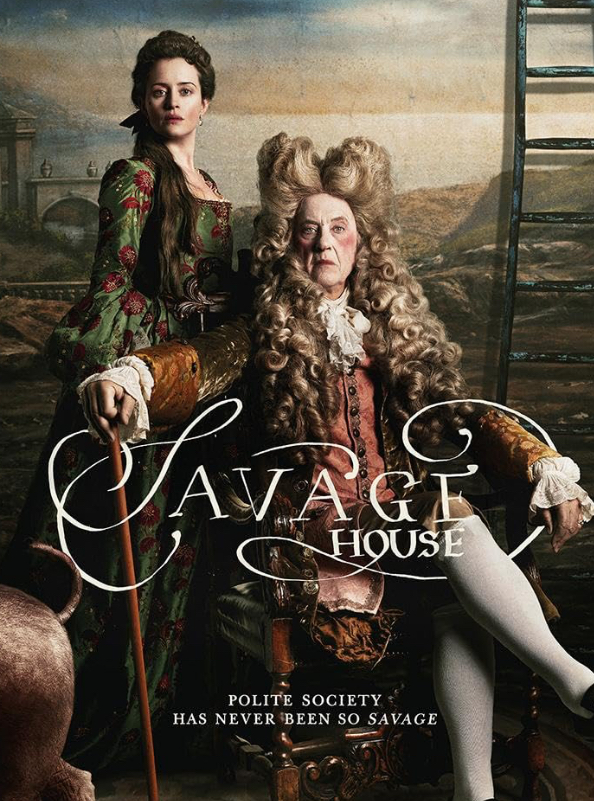
When I screen films for this site, I take notes throughout. For Savage House I stopped writing about forty minutes in and did not start again for several minutes. There is a scene — I won’t spoil the setup — where what you think is a typical haunted-house scare suddenly becomes something far more visceral and personal. The threat stops being supernatural and becomes deeply human. It is not the loudest moment in the film. It is the quietest. And it is the reason this Savage House parents guide exists.
That scene recalibrated how I watched everything that followed. Every jump scare after it carried different weight because the film had already shown it was willing to go somewhere genuinely upsetting. If your child is sensitive to psychological horror — not just monsters, but real dread — this is the scene that will linger.
Is Savage House Safe for Kids? Direct Answer
Quick-Scan Safety Card
| Category | Detail |
|---|---|
| Official Rating | Not Yet Rated — likely R equivalent based on content |
| Expert Recommended Age | 16+ (my assessment after screening) |
| Violence Level | High — sustained threat, graphic injury detail, one particularly brutal sequence |
| Language Level | Strong — frequent profanity including F-words in panic/fear contexts |
| Psychological Intensity | Very High — isolation, gaslighting, paranoia, claustrophobic sequences |
| What Will Surprise Parents Most | How emotional the horror becomes — this isn’t just scares, it’s grief and trauma weaponised |
What Is Savage House About — No Spoilers
Imagine describing this to another parent at pickup: a group of people end up trapped in a house that seems to know them. Not “spooky old house with creaking doors” — more like the building itself feeds on personal pain and private fears. The horror is less about what’s lurking in the dark and more about what the characters are already carrying.
It feels claustrophobic even in wide shots. There’s a grinding sense of unease from the opening frame, and the film earns its scares by making you care about these people before it starts hurting them. My gut reaction? It reminded me of grief more than any ghost story. That emotional core is what makes it hit harder than a standard haunted-house film.
Why Is It Rated Not Yet Rated — And What I Think It Should Be
As of my screening, Savage House has not received an official MPAA rating. Based on what I watched, this will almost certainly land an R rating — and frankly, it deserves one. The violence alone would push it past PG-13, but the psychological intensity is what really tips the scale.
If it somehow received a PG-13 rating, I would strongly disagree. The Savage House age rating conversation needs to account for extended sequences of psychological terror that go far beyond sudden loud noises. There is sustained emotional cruelty between characters that felt genuinely hard to sit through. An R is appropriate. Possibly even generous.
Content Breakdown
Violence and Physical Threat
The violence here is not constant, but when it arrives, it is sharp and graphic. There are at least two sequences where injuries are shown in close-up with enough detail that I looked away — and I screen horror films regularly. One character’s injury is shown in stages across multiple scenes, which amplifies the distress significantly.
What struck me most is how the film uses anticipation as a weapon. Long stretches of quiet tension precede sudden bursts of violence, which makes the impact feel doubled. My 14-year-old has handled some horror well in the past. I would not let her near this one.
If your teen has only seen jump-scare horror (like the Five Nights at Freddy’s film), this is a significant step up. The violence is grounded and uncomfortable rather than stylised.
Psychological and Emotional Intensity
This is where Savage House earns its real Savage House content warning. The house manipulates characters using their own memories and trauma. We see flashbacks to loss, broken relationships, and unprocessed grief — then the film twists those memories into threat.
One sequence involves a character hearing a voice they recognise. What follows is devastating. The film blurs the line between supernatural horror and emotional breakdown so effectively that I wasn’t sure which was scarier. For teens who have experienced loss or family upheaval, these scenes could be genuine triggers.
Savage House trigger warnings should include grief, isolation, gaslighting, and themes of parental abandonment. These are woven through the narrative, not isolated to one scene.
Language
Strong language throughout, mostly in fear and panic contexts. Multiple F-words. Some crude insults exchanged between characters under stress. Nothing sexual in the language — it’s all born from terror. Honestly, the language felt appropriate given what these characters were going through.
If strong language is your primary concern, know that it’s frequent but contextual. Your teen has probably heard all of it at school, but hearing it screamed in terror hits differently.
Dark and Disturbing Imagery
The production design does a lot of heavy lifting here. Rooms change. Walls feel like they’re breathing. There are body-horror-adjacent visuals in the second half that I found genuinely unsettling — distorted figures, impossible angles, imagery that sticks with you after the credits.
One visual near the climax — I won’t describe it fully — plays on a very primal fear in a way that I suspect will give nightmares to adults, let alone kids. There’s artistry in it, but that doesn’t make it less intense.
If your child is sensitive to surreal or “wrong-looking” imagery (think the hallway scenes in horror games like P.T.), this will be overwhelming.
Jump Scares and Sound Design
There are jump scares, yes — maybe six or seven significant ones. But the sound design bothered me more. Low-frequency rumbles, sudden silence, distorted audio that made my skin crawl. The film uses sound as a form of sustained anxiety rather than punctuation.
I noticed my own breathing changing during several sequences, which hasn’t happened to me in a while. The audio mix is aggressive and deliberate.
Viewers sensitive to loud, sudden sound changes or heavy bass should be prepared. I cannot confirm the absence of strobe effects — parents of photosensitive children should check closer to the release date.
Is Savage House Suitable for Children? Age-by-Age Guide
Absolutely not. The imagery, sound design, and emotional intensity are far beyond anything a young child should encounter. Even the trailer would be too much for this age group. Keep them well clear.
No. Not even close. Children in this age range are still developing their ability to separate fiction from emotional reality. The grief and isolation themes would be genuinely harmful, and the horror imagery could cause lasting distress. I’ve had parents ask me “but my 9-year-old loves scary movies” — this is not the same category of scary.
I want to say “maybe for very mature 13-year-olds” but I can’t. The psychological manipulation scenes are sophisticated enough that a younger teen might not have the emotional tools to process them. The violence, while not gratuitous, is graphic. A hard no from me for this age group, though I know some parents will disagree.
This is the grey zone, and honestly it depends so much on your specific child. A horror-savvy 16-year-old with solid emotional grounding could handle it. A sensitive 14-year-old who has recently experienced family loss should not watch this. If you’re in this range, watch it yourself first — that’s genuinely my best advice.
Appropriate for older teens and adults who enjoy horror. It’s a strong, well-crafted film that takes the genre seriously. Expect to be unsettled — that’s the point. Even at this age, viewers dealing with grief or trauma should know what they’re walking into.
Positive Messages and Educational Value
I’ll be honest: you’re not watching Savage House for life lessons. But there is something here. The film takes grief seriously. It doesn’t mock its characters for being afraid. And there’s a thread about facing painful truths rather than burying them that, for the right viewer, could actually spark meaningful reflection.
The strongest message is about how unprocessed pain can consume you — literally, in this case. For families who watch it together (at appropriate ages), that’s a real conversation starter. The film also quietly argues that isolation makes everything worse. Connection, even frightening connection, is presented as the only path forward.
Five Family Discussion Questions
- When the house used personal memories as weapons, which character’s experience affected you the most and why?
- There’s a moment where one character chooses to face what the house is showing them instead of running. What do you think the film is saying about confronting painful emotions?
- How did the relationship between the two central characters change from the beginning to the end? Do you think their choices were driven by fear or by love?
- The house seems to isolate people before attacking them. Have you ever felt like being alone with a difficult feeling made it worse? What helped?
- Do you think this film is more about the supernatural threat or about the emotional weight the characters carry? Can you think of another film that mixes real emotions with horror in a similar way?
Frequently Asked Questions
For most 13-year-olds, yes. The psychological horror and graphic violence go well beyond typical teen-friendly scares. The emotional themes around grief and isolation add a layer that younger teens often find more distressing than gore alone. I’d recommend waiting until at least 16.
Based on my screening, there is a brief moment after the initial credits roll — not a full scene, but a sound cue and a short visual that could suggest sequel potential. It’s atmospheric rather than narrative, so you won’t miss key plot details if you leave.
There are sequences with rapid light changes, particularly in the second half. I cannot confirm whether these meet clinical thresholds for photosensitivity triggers. Parents of epileptic or photosensitive viewers should check official accessibility guidance closer to the Australian release on August 6, 2026.
Savage House is scheduled for theatrical release in Australia on August 6, 2026. Streaming availability has not been confirmed yet. The Savage House streaming age limit will depend on the platform’s classification once a digital release is announced — check back closer to the date.
From my screening, there is no sexual content or nudity. The film is focused entirely on horror and psychological tension. There is brief physical affection between characters in a non-sexual context, but nothing that would register as a concern for parents on this front.
No confirmed connection to real events. The film presents an original horror narrative. Some of the emotional themes — grief, family fracture, unresolved trauma — feel grounded in real human experience, which may be why some viewers wonder about real-world inspiration, but this appears to be entirely fictional.
Key trigger warnings include graphic violence, psychological manipulation, gaslighting, themes of grief and parental abandonment, claustrophobic settings, loud and disorienting sound design, and body-horror-adjacent imagery. If your teen has experienced recent loss, please use particular caution with this film.

Stephanie Heitman is a seasoned journalist and author dedicated to helping parents navigate the world of Hollywood entertainment through thoughtful, family-oriented film reviews. With over a decade of experience in writing and a passion for fostering safe, enriching viewing experiences, Stephanie launched Parentguiding.com to provide parents with the insights they need to make informed choices for their families.