Cold Storage Parents Guide: Is It Kid-Friendly?
The Direct Answer: No, Cold Storage is not suitable for children or younger teenagers. While its premise of a global fungal outbreak may appeal to fans of The Last of Us, the film’s graphic “body horror” and pervasive profanity earn its Rated R status. We recommend it only for mature audiences aged 17 and up.
Quick-Scan Safety Card
|
Category |
Rating |
Details |
|---|---|---|
|
MPA Rating |
R |
Rated R for graphic violence, body horror, and pervasive language. |
|
Target Age |
17+ |
Recommended for older teens and adults due to intense “nightmare fuel.” |
|
Violence |
High |
Visceral, “wet” gore; exploding fungal growths and physical trauma. |
|
Sex/Nudity |
Low |
Minimal; some suggestive dialogue and brief romantic tension. |
|
Language |
High |
Frequent use of “F-words” and aggressive verbal exchanges. |
|
Positive Role Models |
3 / 5 |
Themes of duty, scientific ethics, and unlikely heroism. |
What is Cold Storage About? (No Spoilers)
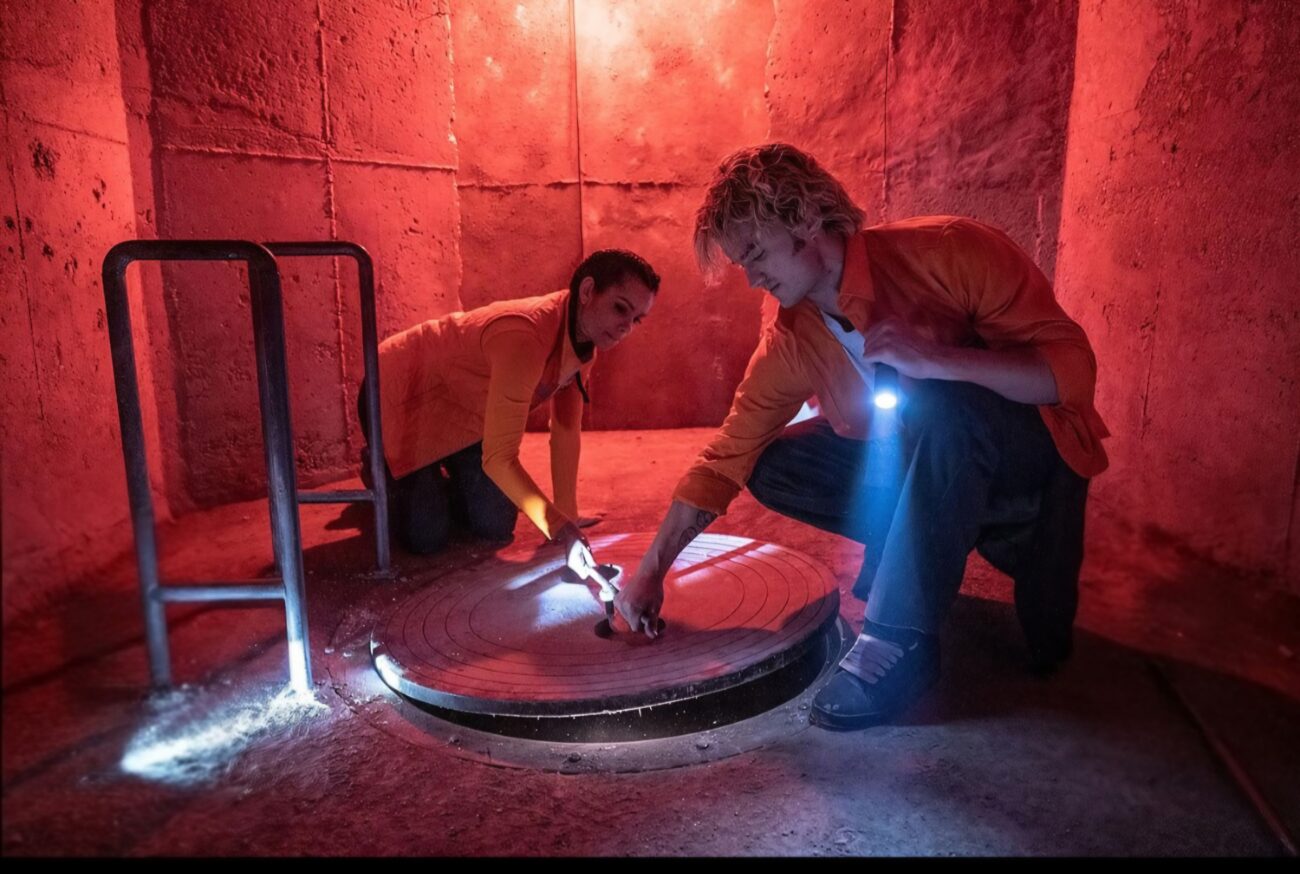
Based on the novel by David Koepp, Cold Storage is a high-stakes bioterrorism thriller that feels uncomfortably plausible in a post-pandemic world. The story follows Roberto Diaz (Liam Neeson), a retired bioterrorism expert who once helped contain a highly infectious, extraterrestrial fungus in a sub-level military facility. Decades later, the cooling system fails, and the fungus which hijacks the minds and bodies of its hosts begins to spread.
Emotionally, the film taps into deep-seated fears of loss of autonomy and biological invasion. Parents should be aware that while the plot is a race against time, the emotional core deals with aging, legacy, and the trauma of past failures. It isn’t just a monster movie; it’s a claustrophobic exploration of how humans react when they realize they are no longer at the top of the food chain.
Why is Cold Storage Rated R?
The MPA gave Cold Storage an R rating primarily for its “disturbing images and language.” As a developmental psychologist, I find this rating entirely justified. Unlike “fun” slasher films, the violence here is clinical and biological. It involves the breakdown of the human form in a way that can be particularly distressing to younger viewers who are still developing their sense of bodily integrity. The film leans heavily into the “gross-out” factor, using top-tier practical effects to show the fungus blooming from human tissue.
Detailed Content Breakdown: The “Nitty Gritty”
Violence & Gore
This is the primary area of concern for parents. Cold Storage features extreme body horror. Characters infected by the fungus undergo a transformation where skin distends and ruptures to reveal pulsating fungal blooms.
Specific scenes involve:
- Characters engaging in hand-to-hand combat with infected individuals who lack a sense of pain, leading to broken limbs and visible bone.
- A particularly intense sequence involving a surgical procedure performed in an unsterile environment with makeshift tools.
- Decomposing animal remains are shown with high detail, illustrating the fungus’s spread through the food chain.
- The “death scenes” are not quick; they are often prolonged and involve the character losing their cognitive functions while their body continues to move.
Profanity & Language
The dialogue reflects the high-stress environment of a subterranean bunker. You can expect:
- Pervasive use of the “F-word” (estimated 40+ instances), often used as an intensifier during action sequences.
- Frequent use of “sh*t,” “hell,” and “goddamn.”
- Aggressive verbal sparring between the veteran Roberto and the younger security guards, which includes some crude insults.
Sexual Content & Nudity
Sexual content is remarkably low compared to the violence.
- There is some mild innuendo and flirting between the younger protagonists, Teague and Naomi.
- One scene features a character in their underwear, but there is no explicit nudity.
- The focus remains strictly on the survival horror elements rather than romantic subplots.
Substance Use
- A few scenes show characters consuming alcohol (beer and whiskey) to cope with the stress of their isolation.
- There are references to pharmaceutical drugs used to suppress symptoms of infection, though they are not portrayed as recreational.
Age-by-Age Viewing Guide
Toddlers & Preschoolers (0-5)
Verdict: Hard No.
The sensory input alone loud alarms, dark corridors, and distorted “monster” noises is enough to cause significant sleep disturbances. At this age, children cannot distinguish between biological fiction and reality.
Elementary (6-10)
Verdict: Hard No.
The “Scare Factor” is too high. The concept of something “growing inside you” is a common developmental phobia at this age. Even the most “mature” 10-year-old will likely find the practical effects deeply traumatizing.
Tweens & Teens (11-15)
Verdict: High Caution / Parental Pre-Screening Recommended.
Tweens are often drawn to horror as a rite of passage. However, Cold Storage lacks the “supernatural” buffer of a movie like Stranger Things. If your teen has handled Best Survival Horror Movies or the Resident Evil games well, they may be fine, but the nihilistic tone and graphic nature of the fungal “birth” scenes are a major jump in intensity.
Older Teens (16+)
Verdict: Safe for Mature Teens.
By 16, most teens can process the scientific themes and separate the “gross” effects from reality. It can serve as a starting point for discussions about biosecurity and global ethics.
Positive Messages & Educational Value
Despite the gore, Cold Storage offers some surprisingly strong takeaways:
- STEM Engagement: The film highlights the importance of microbiology and the “checks and balances” required in scientific research.
- Resilience: The protagonist, Roberto, shows that retirement doesn’t mean a loss of purpose. His expertise is the only thing standing between humanity and extinction.
- Teamwork across Generations: The dynamic between the Boomer-era expert and the Gen Z security guard emphasizes that solving global crises requires both experience and new perspectives.
5 Discussion Questions for Families
- Why did Roberto feel it was his personal responsibility to return to the facility?
- The fungus “hijacks” the brain’s reward system. How is that a metaphor for things we see in real life, like social media or habits?
- If you were in Naomi’s position, would you have stayed to help or tried to escape immediately?
- Do you think the military’s “cold storage” solution was ethical, or should the fungus have been destroyed decades ago?
- How did Teague’s view of “just a job” change by the end of the film?
Common Questions About Cold Storage
Is Cold Storage too scary for a 13-year-old?
For most 13-year-olds, yes. The “body horror” is much more visceral than standard PG-13 horror movies. Unless they are a seasoned horror fan, the imagery may be too intense.
Does the movie have a post-credits scene?
Yes. There is a mid-credits scene that suggests the containment may not be as secure as the characters believe, setting up a potential sequel.
Are there any strobe light warnings in Cold Storage?
Yes. The film features several sequences in a decaying military bunker with flickering industrial lights and emergency strobes that may affect viewers with photosensitive epilepsy.

Stephanie Heitman is a seasoned journalist and author dedicated to helping parents navigate the world of Hollywood entertainment through thoughtful, family-oriented film reviews. With over a decade of experience in writing and a passion for fostering safe, enriching viewing experiences, Stephanie launched Parentguiding.com to provide parents with the insights they need to make informed choices for their families.