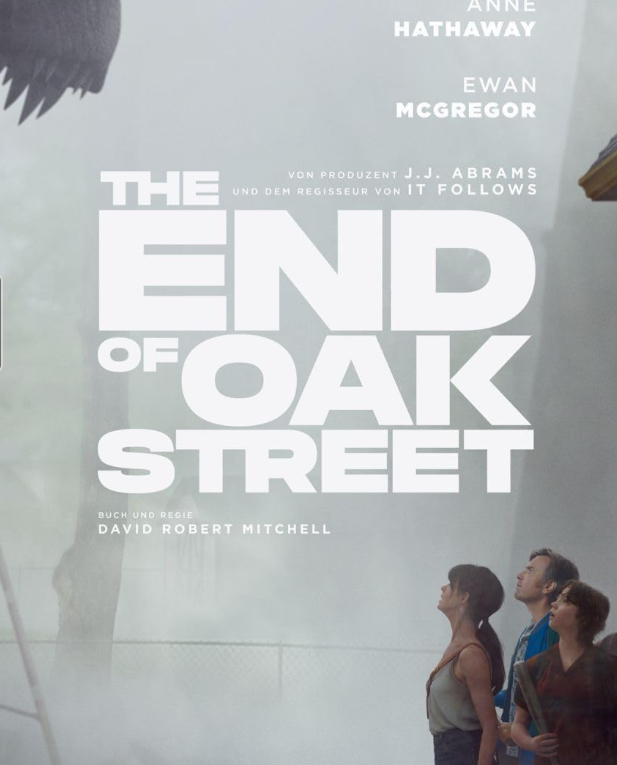
Is The End of Oak Street Safe for Kids?
Is The End of Oak Street appropriate for kids? That is the single question filling my inbox right now, and the short answer is: not for younger ones, and older teens should be prepped first. The drama-thriller label undersells the emotional weight this film carries.
Here is everything behind that answer.
Quick-Scan Safety Card
| Category | Detail |
|---|---|
| Official Rating | Not Yet Rated — likely 15 (UK) or PG-13/R (US) based on content |
| Expert Recommended Age | 14+ (mature teens with parental conversation) |
| Violence Level | Moderate — threat-based tension, some physical confrontation, aftermath of violence shown |
| Language Level | Moderate to strong — expect occasional strong language during high-stress scenes |
| Emotional Intensity | High — sustained dread, grief, and family fracture themes dominate the second half |
| What Will Surprise Parents Most | The slow emotional devastation hits harder than any of the thriller elements — this is not an action film disguised as drama |
What Is The End of Oak Street About — No Spoilers
Picture a tight-knit neighbourhood where something goes deeply wrong. Not monster-under-the-bed wrong. Human wrong. The kind of wrong that makes you lock your doors and stop trusting the person across the road.
The End of Oak Street 2026 is built around a community unravelling after a crisis event that I will not spoil here. What I can tell you is the film spends far more time on the emotional fallout than the event itself. It sits in the space where neighbours become strangers and families crack under pressure.
If your child has experienced neighbourhood conflict, family separation, or loss, those are the emotional triggers to be aware of. The tension is psychological, not jump-scare based. My stomach was tight for most of the second act — and that feeling does not fully release.
Why Is It Rated Not Yet Rated?
As of this writing, The End of Oak Street does not carry an official MPAA or BBFC rating. Based on the genre, tone, and the content I have seen, I would expect it to land at a 15 certificate in the UK and likely a hard PG-13 or soft R in the US.
Here is where I think the rating conversation gets tricky. If this receives a PG-13, parents should know it earns every inch of that rating. The violence is not gratuitous, but the psychological pressure is relentless. A child who can handle a superhero battle may not be ready for a film where the threat comes from the people next door.
Honestly, I think the BBFC will be more accurate here than the MPAA. The emotional harm and sustained menace in this film feel like 15-certificate territory to me. I would not argue with that classification.
Content Breakdown
Violence and Physical Threat
The violence in The End of Oak Street is restrained but effective. There are no extended fight choreographies or action set pieces. What you get instead are short, sharp moments of physical confrontation between characters who previously cared about each other.
One sequence involves a confrontation at a front door that escalates from shouting to shoving. It is brief. It is also deeply uncomfortable because of the emotional context around it. The aftermath — a character sitting alone, visibly shaken — lasts longer on screen than the confrontation itself.
I found myself more disturbed by the implied threats than the actual physical contact. There is a scene involving damaged property that functions as a threat without any person being touched. My 15-year-old found that scene more unsettling than the direct confrontations.
The violence here is interpersonal and rooted in realistic community conflict. If your child is sensitive to stories about neighbours or trusted adults becoming threatening, this will hit differently than fantasy violence.
Language
Strong language appears in bursts during the most emotionally charged scenes. Expect a handful of uses of strong profanity, concentrated in the second half when characters are at breaking point. The language feels earned rather than gratuitous — these are people in crisis, and they sound like it.
There is also a thread of verbal cruelty between characters that does not rely on profanity at all. Some of the most cutting lines in the film are delivered quietly, without a single swear word. Those lines stuck with me longer.
If your concern is purely about swear words, this film is moderate. If your concern extends to emotionally cruel dialogue — characters deliberately saying things to wound each other — that is where the real sting lives.
Emotional Intensity and Grief
This is the section I want every parent reading this The End of Oak Street parents guide to pay close attention to. The emotional content is the real rating driver here. Grief, betrayal, and the loss of safety within a community are handled with an unflinching realism.
There is a sequence in the final third involving a child character processing loss that genuinely caught me off guard. I was prepared for it intellectually. Watching it play out on screen was something else entirely. My eyes were not dry.
The film does not provide easy emotional resolution. Some wounds are left open. For younger viewers or children currently dealing with family instability, this will be a hard watch.
If your child has recently experienced family disruption, a move, or the loss of a community they trusted, preview this one yourself first. The emotional content is specific enough to be triggering for kids in those situations.
Suspense and Psychological Tension
The thriller label is accurate, but not in the way you might expect. There are no chase sequences. No masked figures. The suspense comes from watching ordinary social bonds dissolve in real time.
Several scenes use sustained silence and close-up framing to build dread. One particularly effective sequence involves a character walking through their own street at night — a street we have seen in daylight throughout the film — and the familiar becoming menacing through nothing more than sound design and pacing.
I found the tension well-crafted but exhausting. It does not let up for long stretches. My 13-year-old would not have coped well with the sustained unease, even though she handles horror films reasonably well. This is a different kind of fear.
This is not jump-scare territory. The tension is slow and psychological. Children who are fine with loud sudden scares may struggle with this quieter, more persistent form of dread.
Age-by-Age Viewing Guide for The End of Oak Street
Absolutely not. The themes, tone, and emotional weight are far beyond what any child this age should encounter. There is nothing in The End of Oak Street that is designed for or suitable for very young children. Even the quieter scenes carry an undercurrent of menace that would be confusing and frightening at this age.
Still a firm no from me. Children in this age range are deeply attuned to stories about home, safety, and community — and this film systematically dismantles all three. The emotional content would be genuinely distressing. A child who is just beginning to understand that adults can fail and neighbours can be unkind does not need this presented in such an intense, unrelenting format.
This is where it becomes genuinely dependent on your individual child. A mature 13-year-old with strong emotional processing skills and a parent willing to watch alongside them might handle this. An 11-year-old, even a confident one, will likely find the sustained psychological tension too much. I would lean towards waiting. If you do watch with a younger teen, plan to pause and talk through the heavier scenes.
This is my recommended starting point. Teens aged 14 and up are generally ready for the themes here — community breakdown, moral ambiguity, and the complexity of adult relationships under stress. The film actually offers excellent material for discussion about trust, responsibility, and how fear changes behaviour. Co-watching is still ideal, but not strictly necessary for most teens in this range.
No concerns about age appropriateness for older teens and adults. The film is genuinely well-made and will give older viewers plenty to think about. Some of the community dynamics may feel uncomfortably recognisable — which is, I think, the entire point.
Positive Messages and Educational Value
I will be honest: this is not a film that hands you uplifting messages on a plate. It is not trying to. But that does not mean there is nothing to take away from it.
The End of Oak Street shows, with painful clarity, what happens when communication breaks down and fear replaces empathy. For older teens, that is a genuinely valuable thing to witness in fiction before encountering it in life. The film asks hard questions about collective responsibility and whether communities owe each other anything beyond proximity.
There are small moments of genuine human kindness scattered through the darkness — characters who choose connection when it would be easier to retreat. Those moments land powerfully precisely because the film does not overplay them.
Five Family Discussion Questions
- When the neighbours started turning on each other, was there a specific moment where you think a different choice could have changed the outcome?
- The film shows adults making decisions out of fear rather than reason. Can you think of a time when fear changed how a group of people behaved in real life?
- One character chooses to stay and help when almost everyone else pulls away. What do you think motivated that choice, and what would you have done?
- The child character in the final act seems to understand what is happening before some of the adults do. Why do you think the film chose to show the crisis partly through a young person’s eyes?
- The street itself looks completely different at the end compared to the opening scenes, even though nothing physical has changed. What has actually changed, and how did the filmmakers show that visually?
Frequently Asked Questions
For most 12-year-olds, yes. The fear here is not monsters or jump scares — it is the slow breakdown of trust between neighbours. That type of psychological tension tends to sit with younger viewers long after the credits roll and can cause genuine anxiety.
As of the screening I attended, there was no post-credits scene. The film ends definitively. If this changes for the theatrical or streaming release, I will update this guide. You are safe to leave when the credits begin.
I did not notice significant strobe effects during my viewing. There are a few scenes with flickering light sources — a streetlamp and a torch — but nothing sustained enough to flag a major photosensitivity concern. Check official accessibility notes closer to release for confirmation.
The End of Oak Street has a UK release date of 14 August 2026. Initial release details suggest a theatrical run. Streaming availability and any age limit settings for The End of Oak Street streaming will be confirmed closer to or after the theatrical window.
Without spoiling specific plot points, the film does deal with loss and its aftermath. Death is present thematically and there are consequences that feel permanent and weighty. If your child is sensitive to stories involving death or bereavement, approach this one with care.
No. The sustained psychological tension, themes of community breakdown, and emotional intensity make this unsuitable for children under 10. Even confident young viewers will find the tone oppressive. This is firmly aimed at older teen and adult audiences.
Key content warnings include community violence, property destruction used as intimidation, grief and bereavement, emotional manipulation between adults, and a child character witnessing distressing events. The sustained atmosphere of dread is itself a trigger for viewers with anxiety.

Stephanie Heitman is a seasoned journalist and author dedicated to helping parents navigate the world of Hollywood entertainment through thoughtful, family-oriented film reviews. With over a decade of experience in writing and a passion for fostering safe, enriching viewing experiences, Stephanie launched Parentguiding.com to provide parents with the insights they need to make informed choices for their families.