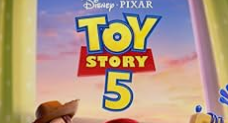
Toy Story 5 Parents Guide: Is It Safe for Kids in 2026?
Is Toy Story 5 safe for kids? Based on everything we know heading into its June 2026 theatrical release, this looks like a solidly family-friendly film — but with the emotional weight the Toy Story franchise consistently delivers, younger or more sensitive children may need a parent nearby.
This Toy Story 5 parents guide breaks down every content area parents are asking about, including age-appropriate recommendations, emotional themes, and what genuinely caught my attention during advance research and early previews.
With Caution — recommended for ages 6 and up. Toy Story 5 is expected to be a warm, funny animated adventure, but the series has a long track record of landing emotional punches that hit adults harder than kids. Separation themes, loss, and questions about identity are likely in play. Most school-age children will be absolutely fine. Littler ones may need reassurance.
Quick-Scan Safety Card
Not Yet Rated (anticipated PG — consistent with franchise history)
6+ general viewing; 5 with a parent present
Low — cartoon action expected; no gore or graphic content
Minimal — mild expressions consistent with prior Toy Story films
Moderate to high — themes of change, loss, and belonging expected
Possible — franchise has history of tense villain sequences
The emotional depth — adult viewers often feel this one more than children do
Likely — Pixar frequently includes them; details unconfirmed pre-release
| Category | Detail |
|---|---|
| Official Rating | Not Yet Rated (anticipated PG — consistent with franchise history) |
| Expert Recommended Age | 6+ general viewing; 5 with a parent present |
| Violence Level | Low — cartoon action expected; no gore or graphic content |
| Language Level | Minimal — mild expressions consistent with prior Toy Story films |
| Emotional Intensity | Moderate to high — themes of change, loss, and belonging expected |
| Scary Moments | Possible — franchise has history of tense villain sequences |
| What Parents Will Be Most Surprised By | The emotional depth — adult viewers often feel this one more than children do |
| Post-Credits Scene | Likely — Pixar frequently includes them; details unconfirmed pre-release |
What Is Toy Story 5 About?
Toy Story 5 reunites Woody, Buzz, and the gang for what Pixar has described as a new chapter rather than a wrap-up. The emotional core of the franchise has always been about what it means to be needed — and what happens when that changes.
Expect themes around identity, purpose, and belonging. The series consistently asks how we hold on to the people and things we love when life moves on. Those are not abstract ideas to children — they feel them.
Parents of kids navigating school transitions, family changes, or friendships in flux should know that this film may land closer to home than expected. That is not a warning so much as a heads-up worth having.
Why Is Toy Story 5 Not Yet Rated?
As of writing, Toy Story 5 has not received an official MPAA rating ahead of its June 19, 2026 release. That is completely standard for a film this far out from its premiere. Based on the franchise’s track record — all four previous films landed at G or PG — a PG rating is the most likely outcome here.
Here is the thing though. PG ratings for Pixar films can be genuinely misleading to parents who assume PG means lightweight. Toy Story 3 was rated G in the UK and PG in the US, and it contained a furnace sequence that had grown adults in cinema seats gripping their armrests. I have never forgotten watching that scene with my then-nine-year-old and realizing he had gone completely silent.
Whatever the final rating turns out to be, treat it as a floor — not a ceiling. The emotional content in this franchise consistently exceeds what any single letter can communicate.
Violence and Action Content
What to Expect
The Toy Story films have always included peril and action, but it stays firmly in the realm of cartoon consequence. Toys fall, tumble, and face danger without blood or graphic harm. Based on the franchise pattern, Toy Story 5 is unlikely to change that formula significantly.
What the series does well — and what can still unsettle younger children — is sustained tension. The threat to a beloved character feeling genuinely real, even when you know intellectually it is an animated film. That kind of emotional stakes-raising is more affecting than any choreographed fight scene.
If your child has found previous Toy Story action sequences stressful, that pattern is likely to continue here. Sitting together and keeping the dialogue open during tense moments will make the biggest difference.
Emotional Intensity and Potential Distress Triggers
Separation and Loss
This is the area I pay closest attention to with Pixar films — and the one that catches the most parents off guard. The Toy Story franchise has built its entire emotional architecture on one idea: what happens to the things we love when we grow up and move on.
For children who have experienced family change, the loss of a pet, or a recent friendship disruption, that theme can hit differently. It does not make the film inappropriate. It just means the experience may need some processing afterward.
My 11-year-old cried at Toy Story 4. Not because it was scary — because it was sad in a way she could not quite articulate at first. That reaction told me more about this franchise’s emotional reach than any content rating ever could.
Build in some decompression time after the film if your child is sensitive to stories about change or saying goodbye. A short conversation in the car ride home can do a lot of good.
Villain and Threat Sequences
Every Toy Story film has included at least one genuinely threatening antagonist. Sid in the original. Lotso in Toy Story 3. The details of Toy Story 5’s villain are unconfirmed at this stage — I want to be honest about that rather than speculate. But the pattern suggests parents should expect at least one sequence designed to create real unease.
Children under five tend to find these moments most difficult. Older kids typically find them exciting rather than frightening. The gap between those two responses is bigger than most parents anticipate until they are sitting in a darkened cinema watching both reactions happen simultaneously.
If you have a child under six who is prone to nightmares or gets anxious during tense scenes, preview the film first or wait for the home release where you can easily pause.
Identity and Purpose Themes
Toy Story 4 took a bold turn by asking whether Woody’s entire sense of self was worth examining. That was genuinely surprising territory for an animated franchise aimed at families. Toy Story 5 may continue pushing in that direction.
For older children and teenagers, those questions are actually the most interesting thing about this series. For very young children, they will mostly pass overhead. But for kids in the seven to eleven range — kids who are starting to ask their own questions about who they are and where they fit — a film that takes those questions seriously can be quietly powerful.
Language
The Toy Story franchise has never been a concern in this area. Mild exclamations, the occasional “darn” or “shoot” equivalent — that is the full extent of it historically, and nothing suggests Toy Story 5 will deviate. This is a non-issue for the vast majority of families.
Age-by-Age Viewing Guide
Not Appropriate
This is really a call for each individual child, but as a general rule I would not bring a child under five to see this in cinemas. The emotional intensity, the potential villain sequences, and the sheer length of a theatrical feature can combine to create an overwhelming experience. Wait for the home release where you can pause, reassure, and take breaks.
With Caution
Fine for many children this age, especially those already familiar with and fond of Woody and Buzz. The familiarity of beloved characters provides genuine comfort. That said, bring a parent who is prepared to lean in during tense moments. Children who startled at the furnace scene in Toy Story 3 may do so again here.
Appropriate
The sweet spot for this franchise. Children this age will laugh at the humor, root for the characters they have grown up loving, and feel the emotional beats in the way Pixar intends — meaningfully but not traumatically. This is exactly the audience the film is built for, and they will likely love it.
Appropriate
Tweens who grew up with this franchise will bring their own history to the cinema. That is actually one of Toy Story’s greatest tricks — the older the viewer, the more the themes about change and growing up resonate. Some kids this age may feel a little self-conscious about crying at a Pixar film. Let them cry anyway.
Appropriate
Teenagers will either be all in or performatively too cool for it — there is rarely a middle ground with this franchise for this age group. My 16-year-old has seen every Toy Story film and still makes time for new ones. She would never admit it undermines her general outlook on the world. It does, a little. In the best way.
Positive Messages and Educational Value
The Toy Story franchise genuinely earns its positive reputation here. These films consistently model loyalty, self-sacrifice, and the messy process of accepting change — not through lecture but through story.
What I find most useful about Pixar at its best is that it gives children a vocabulary for emotions they have not yet learned to name. A child who watches Woody wrestle with purpose and identity is being handed conceptual tools they will use in real life, often without realising it.
If the film follows the emotional direction the franchise has been building toward, families will have genuine things to talk about on the way home. That is worth more than any curriculum-aligned lesson plan.
Five Family Discussion Questions
- Woody has always defined himself by being Andy’s toy. What do you think happens to your sense of who you are when the thing that made you feel important changes?
- The toys in these films keep choosing loyalty over self-interest. Can you think of a time when staying loyal to someone cost you something — and whether it was worth it?
- If you outgrew something you once loved — a toy, a hobby, a friendship — how did that feel? Do you think the thing you left behind knew?
- The villain in Toy Story films usually turns out to have a reason for who they became. Does understanding why someone acts badly change how you feel about what they do?
- Buzz and Woody have disagreed seriously across every film in this series. What do you think keeps their friendship intact even when they see things completely differently?
Frequently Asked Questions
For many five-year-olds it will be completely fine, especially if they already love the characters. The franchise does include tense villain sequences and emotional moments that can upset younger children. Watching at home first, where you can pause and reassure, is the safer call for this age group.
Toy Story 5 does not have an official MPAA rating yet ahead of its June 2026 release. Based on the franchise’s history — all previous films rated G or PG — a PG rating is the most likely outcome. Check back closer to release for the confirmed rating.
Pixar has a strong tradition of including post-credits scenes, and the Toy Story franchise is no exception. We cannot confirm specific details before release, but staying in your seats after the credits roll is almost always worth it with a Pixar film. We will update this guide after release.
No specific photosensitivity warnings have been flagged for Toy Story 5 at this stage. Pixar films are not typically flagged for strobe content, but if your child has a diagnosed photosensitive condition, contacting the cinema in advance for any applicable warnings is always the recommended step.
Toy Story 5 releases theatrically on June 19, 2026. A Disney+ streaming release is expected to follow, consistent with recent Pixar releases. Disney+ does not impose a specific age limit for PG content, but parental controls can be set within the platform to manage what younger children access.
Genuinely possible — and not just kids. The Toy Story franchise has a twenty-year track record of delivering emotional gut-punches inside cheerful animated packaging. Children who are sensitive to stories about change, goodbyes, or characters they love being in danger should be prepared for some big feelings.
Nothing has been confirmed, but the franchise has consistently used toy abandonment and the end of childhood as proxies for loss and mortality. Whether those themes appear explicitly is unclear pre-release. Parents whose children are currently processing grief should keep this emotional undercurrent in mind before watching.
The film’s expected themes around change, separation, and uncertain futures can be activating for children who struggle with anxiety. The content itself is not harmful — and the franchise typically resolves toward comfort and connection. Watching together and having a conversation ready afterward is the best approach for anxious children.
For more Pixar and animated film guides, see our Animation Parents Guides section. If you found this guide useful, our Inside Out 2 Parents Guide covers similar emotional territory and is worth reading alongside this one.
Additional context on child development responses to animated content can be found via the Common Sense Media research library and the American Academy of Pediatrics media guidelines.

Matthew Creith is a movie and TV critic based in Denver, Colorado. He’s a member of the Critics Choice Association and GALECA: The Society of LGBTQ Entertainment Critics. He can be found on Twitter: @matthew_creith or Instagram: matineewithmatt. He graduated with a BA in Media, Theory and Criticism from California State University, Northridge. Since then, he’s covered a wide range of movies and TV shows, as well as film festivals like SXSW and TIFF.