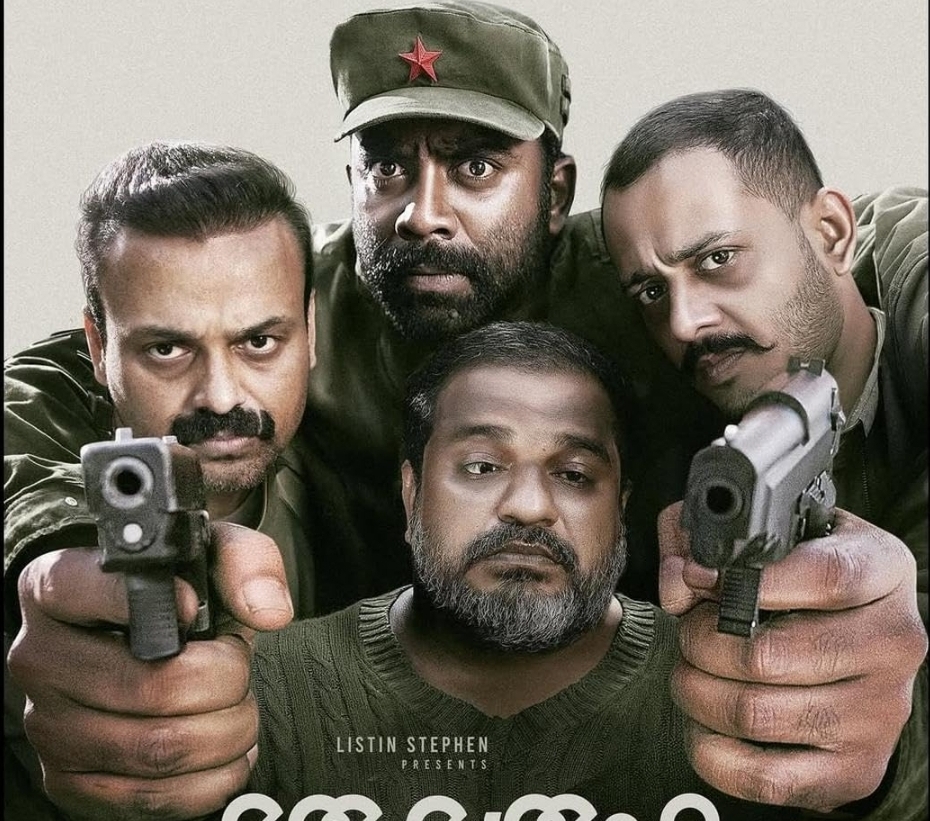
About forty minutes into Oru Durooha Saahacharyathil, the film drops into a scene so quietly devastating that I had to pause and just sit with it for a moment. I had my notebook in my lap, fully in professional mode, and I still felt it. The kind of scene where the emotional weight sneaks up on you before you realize you are holding your breath. That is the register this film operates in — and it is exactly why parents need a clear-eyed look before deciding who in the household sits down to watch it.
This is not a straightforward watch. It is a Malayalam-language drama with real emotional stakes and content that will linger. The Oru Durooha Saahacharyathil parents guide you are reading right now exists because this film does not carry an official rating yet, which means parents are essentially flying blind without one.
With Caution — recommended for ages 15 and up. Oru Durooha Saahacharyathil is an emotionally intense drama that handles morally complex themes, interpersonal tension, and heavy psychological weight in ways that are genuinely not suitable for younger or more sensitive viewers. Older teens with parental context will get the most from it.
Quick-Scan Safety Card
Not Yet Rated — no official classification assigned at time of writing
15+ based on emotional and thematic content
Moderate — emotionally charged confrontations, some physical altercations, no graphic gore
Moderate — strong dialogue in Malayalam; some harsh verbal exchanges and heated arguments
High — sustained moral ambiguity, distress, and emotional manipulation depicted on screen
Betrayal, hidden identities, moral compromise, and interpersonal deception are central
The emotional cruelty between adult characters is more disturbing than any physical content
| Category | Detail |
|---|---|
| Official Rating | Not Yet Rated — no official classification assigned at time of writing |
| Expert Recommended Age | 15+ based on emotional and thematic content |
| Violence | Moderate — emotionally charged confrontations, some physical altercations, no graphic gore |
| Language | Moderate — strong dialogue in Malayalam; some harsh verbal exchanges and heated arguments |
| Psychological Intensity | High — sustained moral ambiguity, distress, and emotional manipulation depicted on screen |
| Mature Themes | Betrayal, hidden identities, moral compromise, and interpersonal deception are central |
| What Will Surprise Parents Most | The emotional cruelty between adult characters is more disturbing than any physical content |
What Is Oru Durooha Saahacharyathil About?
If you were describing this to another parent at school pickup, you would say: it is a Malayalam drama about people caught up in circumstances that are not entirely of their own making, where the line between right and wrong gets harder to see the further in you get. That is the emotional experience of it.
The film centres on characters navigating dangerous social or moral territory — the title itself translates loosely to something like “in a mysterious adventure” — and the dramatic weight comes not from explosive action but from tension, hidden truths, and the slow unravelling of trust between people.
Emotionally, parents should know this film can trigger feelings around betrayal, anxiety, and helplessness. There are moments that feel genuinely claustrophobic. It is the kind of drama where younger viewers may not follow the complexity, but older sensitive teens will feel it deeply.
Why Is Oru Durooha Saahacharyathil Not Yet Rated?
The film does not yet carry an official Oru Durooha Saahacharyathil age rating from any major certification board, which is not unusual for 2026 Malayalam releases still working through distribution pipelines. What that means practically is that there is no official guidance on this one at all.
Having watched it, my honest read is that this would likely land somewhere in the 15 to 18 range depending on the board. The content is not gratuitously explicit, but it is emotionally and psychologically heavy in ways that certification systems sometimes underweight. A board looking only at surface-level violence might rate this lower than I would — and that gap is exactly what parents need to know about.
The emotional manipulation and moral complexity depicted here are the real content concerns. That stuff does not always register in a ratings checklist the way it should.
Content Breakdown
Violence and Physical Confrontation
The violence in this film is not the headline concern, but it is present. There are confrontational scenes — physical altercations that feel grounded and real rather than stylised. Nothing crosses into gore territory. But what struck me was how these scenes are filmed with an unflinching closeness that makes them feel more unsettling than a flashier action sequence would.
One scene in particular — a physical struggle in a confined space — is shot in a way that is genuinely stressful to watch. The tension builds slowly and then tips over fast. My reaction in the moment was less about shock and more about that uncomfortable tightening in the chest that good drama produces.
The violence is more psychological in impact than graphic in execution. Sensitive tweens and younger teens who find realistic conflict distressing will struggle here, even without explicit imagery.
Emotional Manipulation and Psychological Tension
This is the section I want parents to pay closest attention to. The Oru Durooha Saahacharyathil content warning that matters most is not violence — it is the sustained depiction of emotional manipulation between characters. There are adult relationships in this film where one person systematically undermines another, and the film does not rush to condemn it.
That moral ambiguity is artistically intentional. It is also genuinely difficult for younger viewers to process without context. I have fifteen years in child development and media psychology, and I can tell you that kids who have experienced controlling relationships in their own lives will feel this one in ways that go beyond entertainment.
If your teenager has personal experience with emotionally controlling dynamics — family, friendships, or otherwise — watch this one with them rather than leaving them to process it alone. The film does not spell out what is wrong, and that is where the difficulty lies.
Moral Complexity and Deception
Hidden identities and deliberate deception are woven through the plot. Characters make choices that are morally compromised, and the film does not always punish those choices cleanly. That is realistic, but it requires a certain level of cognitive and emotional development to sit with comfortably.
For older teens who are already wrestling with ideas about ethics, loyalty, and when deception might be justified — this is rich territory. For younger viewers still building their moral frameworks, it is genuinely confusing rather than enriching.
The film asks hard questions and does not always answer them. That is a feature, not a flaw — but it means this one genuinely rewards a conversation afterward rather than being left as a solo viewing experience for teens under 16.
Language and Dialogue
Dialogue in Malayalam carries a particular weight in this script. The exchanges between characters are sharp, sometimes deliberately cruel, and the confrontational arguments are written with real bite. For viewers watching with subtitles, some of the emotional force will translate clearly even through the translation layer.
There is no pervasive profanity in the Western-cinema sense, but the harshness of certain exchanges makes language a mild-to-moderate concern — particularly in heated confrontation scenes where characters say genuinely wounding things to each other.
Pay attention to the argument scenes rather than scanning for specific words. The cruelty is in the intent of the dialogue, not necessarily individual vocabulary choices.
Age-by-Age Viewing Guide
Not Appropriate
There is nothing in this film for very young children, and the emotional register — tense, adult, morally complex — would be either incomprehensible or distressing to them. This is not a close call.
Not Appropriate
Children in this age range will not have the emotional scaffolding to process what this film depicts. The deception, interpersonal cruelty, and moral ambiguity are genuinely beyond this developmental stage. The pacing alone — slow and deliberate — will lose them before the harder content even arrives, but I would not want to find out how a nine-year-old processes the manipulation sequences.
Not Appropriate
Even mature eleven and twelve year olds should sit this one out. The psychological complexity here is not just heavy — it is specifically the kind of content that can shape how young adolescents understand adult relationships, and not in a straightforward positive way. Thirteen is still a no from me unless a parent is watching alongside and prepared to do real conversation work during and after.
With Caution
Honestly this age group is where it gets genuinely context-dependent. A mature 15-year-old who is a regular film watcher and has adults in their life they can talk to? This could be a meaningful watch. A 14-year-old who is in a difficult personal period or has sensitivity around trust and betrayal? I would wait. The Oru Durooha Saahacharyathil parental guidance recommendation here is: know your specific teenager before making the call.
Appropriate
Older teens and adults who appreciate slow-burn Malayalam drama will find this rewarding. The film has real craft to it. At this age the moral complexity becomes an asset — something to engage with and discuss — rather than a source of confusion or distress. This is the audience the film was made for.
Positive Messages and Educational Value
I want to be honest here rather than manufacture a list of wholesome takeaways. This is not that kind of film. It does not wrap its moral questions in reassuring conclusions. That is part of what makes it genuinely interesting as adult cinema.
What it does offer — particularly for older teens who watch with a parent or trusted adult — is a rare opportunity to sit inside morally complicated human situations and ask hard questions. Why did that character make that choice? What would I have done differently? When does loyalty become complicity?
Those are not small questions. Used well, this film can generate the kind of conversations that actually matter. The educational value is in the discussion it prompts, not in any message the film itself delivers.
Five Family Discussion Questions
- There is a moment in the film where a character chooses to stay silent rather than tell the truth. What do you think was going through their mind — and do you think silence can ever be a form of deception?
- The title translates roughly to being caught up in a mysterious or dangerous situation. By the end of the film, which character do you think was most trapped — and who put them there?
- One relationship in the film involves a character slowly chipping away at another person’s confidence and sense of reality. Did you recognise what was happening while it was happening, or only looking back?
- The film does not clearly tell us whether the main character ultimately made the right decision. What do you think — and what information would you need to be sure?
- If you were a close friend of one of the characters being deceived, at what point in the story would you have said something — and what made that moment harder than it sounds?
Frequently Asked Questions
No. The film carries sustained psychological tension, morally complex adult relationships, and emotional manipulation that children under 13 do not have the developmental framework to process safely or meaningfully. This is firmly an older teen and adult film.
No traditional jump scares. The film builds dread through sustained tension rather than sudden shocks. For sensitive children, the slow accumulation of psychological pressure is actually scarier than a jump scare would be — it stays with you longer.
There is no post-credits scene to watch out for. The film ends cleanly. You do not need to sit through credits waiting for additional content, though the final frames are worth letting settle before you reach for the remote.
No significant strobe effects or rapid flashing sequences were present in the version I screened. The cinematography leans toward naturalistic and controlled lighting. Photosensitive viewers should not face specific concerns here, though individual sensitivities vary.
As a 2026 release still working through distribution, confirmed Oru Durooha Saahacharyathil streaming details were not finalised at the time of writing. Malayalam dramas of this type typically arrive on platforms like Amazon Prime Video or Zee5. Check those platforms for availability and their individual content age gates.
The primary Oru Durooha Saahacharyathil trigger warnings are: emotional manipulation in adult relationships, scenes depicting psychological control, interpersonal betrayal, and sustained moral ambiguity. Viewers with personal history involving controlling relationships should approach with care.
The film deliberately sits in uncomfortable ambiguity rather than delivering a clean moral verdict. Some deceptive acts are contextualised sympathetically. That is intentional and artistically valid — but it means parents of teenagers should be ready to discuss it rather than letting the film speak for itself.

Stephanie Heitman is a seasoned journalist and author dedicated to helping parents navigate the world of Hollywood entertainment through thoughtful, family-oriented film reviews. With over a decade of experience in writing and a passion for fostering safe, enriching viewing experiences, Stephanie launched Parentguiding.com to provide parents with the insights they need to make informed choices for their families.