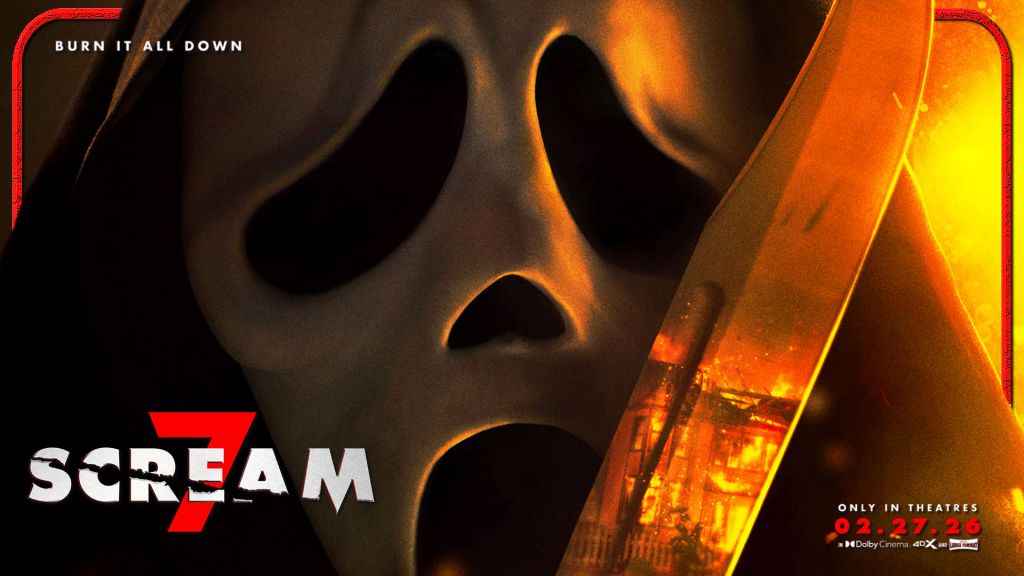
Scream 7 Parents Guide: Is It Kid-Friendly?
No, Scream 7 is not suitable for children. Like the rest of the franchise, it is designed as an R-rated slasher film featuring intense violence, strong language, and frightening sequences that make it inappropriate for kids and most younger teens.
Quick-Scan Safety Card
| Category | Rating | Details |
|---|---|---|
| MPA Rating | Expected R | Likely for strong bloody violence, language, and brief sexual content (final rating pending at time of writing) |
| Target Age | 16+ | Mature teens only, with parental guidance |
| Violence | High | Bloody |
| Sex/Nudity | Low–Moderate | Brief/Implied |
| Language | High | Strong profanity |
| Positive Role Models | 3/5 | Resilience |
What is Scream 7 About? (No Spoilers)
Scream 7 continues the franchise’s signature blend of meta-horror, mystery, and slasher suspense. As in previous installments, a masked killer known as Ghostface targets a new (and possibly returning) group of characters connected by shared history and secrets.
Emotionally, the film explores survivor’s guilt, trauma, trust, betrayal, and the long-term psychological cost of violence. Characters grapple with paranoia never knowing who to trust as friendships fracture under pressure.
Parents should be aware of common franchise emotional triggers, including:
- Sudden, violent deaths of major characters
- Stalking and home invasion scenarios
- Threatening phone calls
- Graphic injuries
- Themes of revenge and manipulation
The tone is intentionally tense. Even dialogue-heavy scenes carry a sense of impending danger. The franchise thrives on shocking twists and abrupt tonal shifts, which can heighten anxiety in younger viewers.
Why Is Scream 7 Rated R?
As of this writing (February 2026), the official MPA rating has not yet been publicly confirmed. However, every prior Scream film has been rated R, primarily for:
- Strong bloody violence
- Pervasive language
- Brief sexual content
- Drug/alcohol references
There is no indication that Scream 7 significantly departs from that formula. Based on franchise precedent and industry reporting, parents should expect similar content intensity.
From a modern standards perspective, the R rating is justified. While today’s teens are exposed to intense content online, the Scream series remains firmly adult-oriented due to its combination of graphic violence and psychological intensity. This is not a “mild horror” film; it is designed to disturb and shock.
Detailed Content Breakdown
Violence & Gore
Violence is the core of the Scream franchise, and Scream 7 continues that tradition.
Expect:
- Knife attacks with visible blood
- Hand-to-hand struggles involving choking, stabbing, and slashing
- Sudden jump-scare killings
- Characters shown injured and bleeding
- Prolonged chase sequences
The violence is not stylized in a superhero or fantasy way. It is grounded and personal. The killer uses close-contact weapons (typically a hunting knife), which can make scenes feel intimate and more disturbing than distant gun violence.
While the films often include dark humor, the physical injuries themselves are typically shown with clear blood detail. Viewers see characters in pain, gasping, and fighting for survival.
Scare factor: High.
Gore level: Moderate to high, depending on scene.
Children under 13 are likely to find many sequences overwhelming. Sensitive teens may also struggle with the suspense and unpredictability.
Profanity & Language
The Scream films traditionally contain frequent strong language, including:
- Multiple uses of the F-word
- “Sh*t”
- “B*tch”
- “A*ss”
- Sexual references and crude insults
Teen characters often use profanity in emotionally heightened situations. Dialogue may also include self-aware commentary about horror tropes and genre clichés.
Parents concerned about language standards should expect strong, repeated profanity consistent with an R-rated horror film.
Sexual Content & Nudity
The franchise historically includes:
- Brief sexual references
- Innuendo
- Kissing scenes
- Occasional implied intimacy
Past installments have not focused heavily on nudity, and any sexual content is typically brief rather than explicit. However, discussions of sex and relationships are common, especially among teen and college-aged characters.
While sexual content is not the primary concern in Scream 7, it contributes to the mature tone.
Substance Use
Teen and young adult characters may be shown:
- Drinking alcohol at parties
- Referencing marijuana or drug use
- Social drinking in college or social settings
Substance use is generally portrayed as casual or social rather than glamorized. However, party scenes can include risky behavior, consistent with the franchise’s slasher setup.
Age-by-Age Viewing Guide
As a child development psychologist, I evaluate not only content but developmental readiness.
Toddlers & Preschoolers (0–5)
Verdict: Absolutely not appropriate.
The loud jump scares, violent imagery, and intense suspense would be deeply distressing. Young children cannot separate fiction from reality in this context.
Nightmares, separation anxiety, and regression behaviors are likely after exposure.
Elementary (6–10)
Verdict: Not recommended.
Even horror-savvy 10-year-olds are typically not emotionally equipped for slasher-level violence. The realistic threat of a masked killer invading homes can create lasting fear.
Children in this age range also struggle to process:
- Moral ambiguity
- Betrayal by trusted friends
- Graphic injury
The “who can you trust?” theme may feel destabilizing.
Tweens & Teens (11–15)
Verdict: With strong caution (generally 16+).
Older teens may be drawn to the franchise for its cultural relevance and mystery elements. However, consider:
- Sensitivity to gore
- Anxiety levels
- Peer pressure (“Everyone else has seen it”)
- Emotional maturity
The series presents violence as shocking but also entertaining. Parents should discuss the difference between suspense storytelling and real-world consequences.
For most families, 16 is a more developmentally appropriate starting point.
Positive Messages & Educational Value
Despite its violent premise, Scream 7 offers some meaningful themes:
1. Resilience
Characters often survive through intelligence and quick thinking.
2. Media Literacy
The franchise critiques horror tropes and media sensationalism. This can open conversations about how violence is portrayed in entertainment.
3. Trust and Boundaries
The films highlight the importance of listening to instincts and recognizing manipulation.
However, these lessons are embedded within intense material. The educational value does not outweigh the mature content for younger viewers.
For lighter suspense options, see:
Best Family Movies of 2026
5 Discussion Questions for Families
If you choose to watch with an older teen, consider asking:
- Why do you think the characters ignore early warning signs?
- How does fear affect decision-making in the movie?
- What role does social media or public reputation play in the story?
- Do horror films make violence seem less serious or more serious? Why?
- What would you do differently in the main character’s situation?
These conversations can transform passive viewing into critical thinking.
Common Questions About Scream 7
Is Scream 7 too scary for 13-year-olds?
For most 13-year-olds, yes. The film contains intense violence and sustained suspense that exceeds typical PG-13 horror. Sensitive teens may experience anxiety or sleep disruption.
Does the movie have a post-credits scene?
At the time of writing, no confirmed post-credits scene has been announced. Check updated listings after release if you plan to stay through the credits.
Are there any strobe light warnings in Scream 7?
Slasher films often use flashing lights during chaotic scenes. While no official advisory has been confirmed, viewers sensitive to strobe effects should exercise caution.
Final Parent Recommendation
Scream 7 is firmly adult horror entertainment. While it may attract teens due to franchise popularity and cultural buzz, it is not safe for kids and best reserved for mature older teens and adults.
If your teen is asking to watch:
- Assess their sensitivity to violence.
- Discuss expectations beforehand.
- Consider co-viewing for context.
- Reinforce that this is stylized fiction not normal behavior.
Horror can be thrilling and even cathartic. But developmental readiness matters more than hype.
For more parental guidance and streaming age limit breakdowns, explore our full library of safety reviews and trigger warnings.

Stephanie Heitman is a seasoned journalist and author dedicated to helping parents navigate the world of Hollywood entertainment through thoughtful, family-oriented film reviews. With over a decade of experience in writing and a passion for fostering safe, enriching viewing experiences, Stephanie launched Parentguiding.com to provide parents with the insights they need to make informed choices for their families.