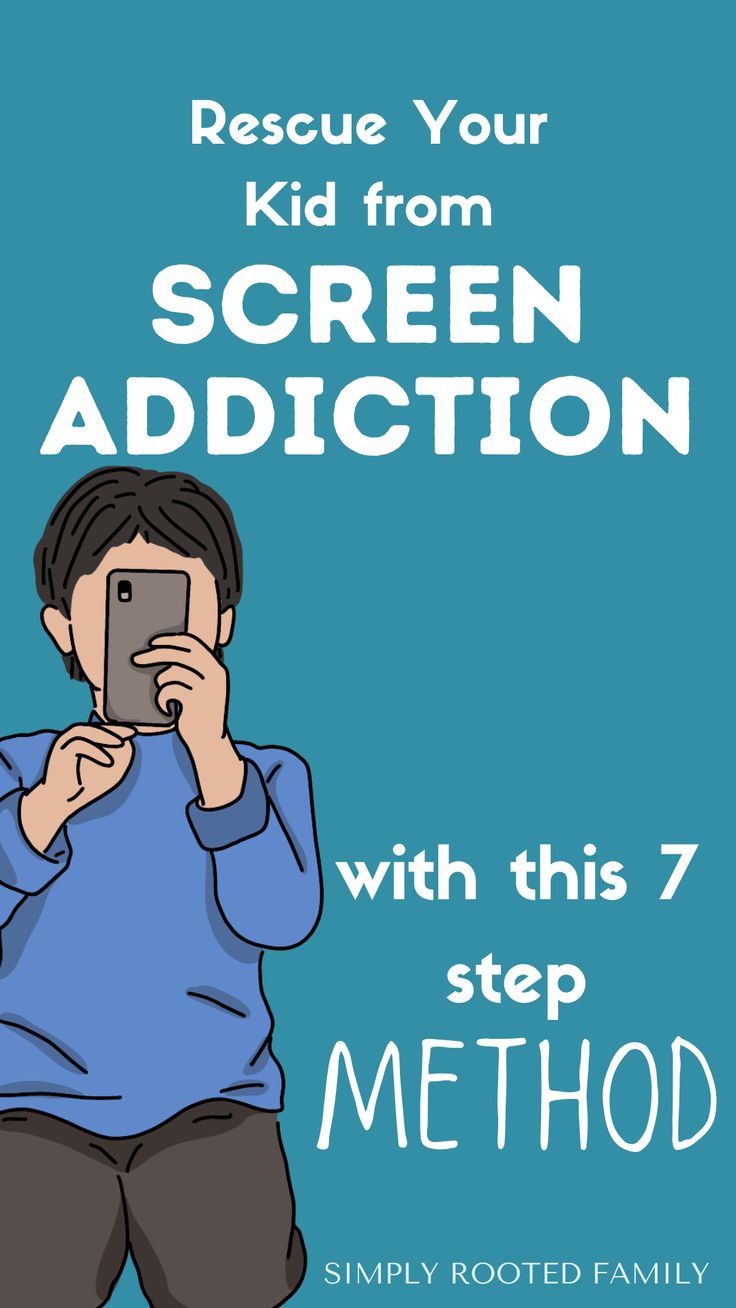
Is it safe for kids? Yes with guidance. The topic is highly relevant but needs parental involvement.
- Is it worth the watch/read? Absolutely. It’s practical, relatable, and hits close to home for modern families.
- Age Rating: 10+ (ideal for middle schoolers with parent discussion)
- High-Intent Intro: What This Really Is
Here’s the thing this isn’t a “movie” in the traditional sense. It plays out like one in real life. Screens, phones, tablets, gaming consoles… they’re everywhere. And for middle schoolers? It’s not just entertainment. It’s social life, identity, escape.
I’ve sat on the couch with families who insisted, It’s just a phase. Then watched that “phase turn into 6–8 hours of daily screen time. Grades slip. Sleep disappears. Attitude? Let’s just say it gets… complicated.
So think of this guide as both a review and a survival manual. We’re breaking down the “story arc” of screen addiction, what it looks like, how it escalates, and most importantly how to step in without turning your home into a battleground.
Deep-Dive Plot Summary : The Real-Life Story Arc
Act 1: The Hook Ages 10–12
It starts innocently.
A tablet for homework. A phone for “safety.” Maybe a gaming console as a birthday gift. You tell yourself: Everyone else has one.
At first, it’s manageable:
- 30 minutes of YouTube
- A few rounds of a game
- Messaging friends after school
Then something shifts.
Apps are designed to pull kids back in. Notifications. Streaks. Rewards. Bright colors. Endless scrolling. It’s not accidental it’s engineered.
I remember watching a middle schooler I know say, “Just one more video.” Forty-five minutes later? Still glued to the screen. No awareness of time passing.
That’s the hook.
Act 2: Escalation The Middle School Spiral
Now we’re in deeper waters.
Screen time creeps up:
- 2 hours becomes 4
- Weekends turn into marathon sessions
- Homework gets rushed or skipped entirely
Emotionally, things change too:
- Irritability when devices are taken away
- Constant checking for notifications
- Loss of interest in offline hobbies
Let’s be real this is the phase where parents start arguing with their kids daily.
I’ve seen dinners where no one talks. Just the glow of screens lighting up faces. It’s quiet but not peaceful.
Sleep takes a hit next. Late-night scrolling becomes the norm. And middle schoolers? They need sleep more than ever.
Act 3: Conflict Family vs. Screen Time
This is where things get tense.
Parents try to set limits:
- “No phones after 9 PM.”
- “Finish homework first.”
- “Only one hour of gaming.”
And kids push back. Hard.
You’ll hear things like:
- “That’s not fair!
- “Everyone else gets more time!”
- “You don’t understand!”
And honestly? They’re not entirely wrong. Social pressure is real. Friend groups live online now.
This act is messy. Arguments. Frustration. Sometimes guilt on both sides.
I’ve been in living rooms where parents feel like the “bad guy just for enforcing basic rules.
Act 4: The Turning Point
This is where things either improve… or spiral further.
The turning point usually comes from one of three moments:
- A drop in grades
- A behavioral issue at school
- A noticeable shift in mood anxiety, withdrawal, anger
Suddenly, it’s not just “screen time. It’s well-being.
Parents start asking:
- “How much is too much?
- “Is this addiction?”
- “What do we actually do?
And here’s the honest answer: There’s no magic fix. But there is a path forward.
Act 5: Resolution Balance, Not Elimination
The goal isn’t to eliminate screens. That’s unrealistic.
The goal is balance.
Families that succeed tend to:
- Set clear, consistent rules
- Model healthy behavior yes, parents too
- Create tech-free zones like bedrooms and dinner tables
- Encourage offline activities
And something interesting happens…
Kids push back less over time. They adjust. They reconnect with real-world activities sports, art, even just hanging out without devices.
It’s not perfect. But it’s better.
Ending Explained: The Final Twist and What it Means for the Sequel
Here’s the twist screen addiction isn’t really about screens.
It’s about needs.
Middle schoolers are in a phase where they’re figuring out:
- Who they are
- Where they belong
- How they’re perceived
Screens fill those gaps quickly:
- Social media = validation
- Games = achievement
- Videos = escape
So when you remove the screen without addressing the need? The problem just shifts.
That’s why some kids replace phone use with:
- TV binges
- Obsessive gaming
- Or even other habits that aren’t much better
The real “ending” is when families recognize this and shift their strategy.
Instead of just saying:
Get off your phone.
They start asking:
“What are you getting from this and how can we support that in a healthier way?
That’s the sequel.
It’s ongoing. It evolves as kids grow. High school brings new challenges social media pressure, independence, academic stress.
But if you build the foundation now? You’re ahead of the game.
Parents Guide Breakdown
| Category | Intensity 1–10 | What to Expect |
|---|---|---|
| Violence | 1 | No physical violence; emotional conflicts may arise during arguments over screen use |
| Language | 3 | Mild frustration language annoying, “unfair typical of middle school dynamics |
| Sexual Content | 2 | Indirect exposure possible via social media depending on usage |
| Positive Messages | 9 | Strong themes of balance, self-regulation, family communication, and digital awareness |
Screen Safety Tips & Parental Controls
How to Watch This Safely on Streaming Platforms
Even though this isn’t a literal movie, most of the content influencing kids lives on platforms like:
- YouTube
- Netflix
- TikTok
- Gaming networks
Here’s how to stay in control:
Parental Control Basics
- Set screen time limits directly in device settings iOS Screen Time, Android Digital Wellbeing
- Use content filters to block inappropriate material
- Turn off autoplay this one’s huge
Create Tech-Free Zones
- Bedrooms especially overnight
- Dinner table
- Study time
Use a VPN for Geo-Locked Content
Some educational or safer content is region-restricted.
A Best VPN for Streaming Platforms can:
- Unlock safer, curated libraries
- Avoid exposure to region-specific harmful trends
- Add a layer of privacy
Just make sure you choose a reputable, parent-approved service.
Cast & Performance Analysis Yes, This Still Applies
Think of this as a cast of real-life players:
The Middle Schooler
Raw. Emotional. Completely believable.
Their performance swings from:
- Joy frustration boredom excitement
Sometimes within minutes.
The Parents
Often inconsistent. And that’s the truth.
Some scenes feel strong clear boundaries, calm communication.
Others? Total chaos. Yelling. Giving in. Taking devices away… then returning them an hour later.
The Technology
Let’s call it what it is the most convincing “actor” here.
Apps and platforms are designed to win attention. And they do.
If this were a film, tech would steal every scene.
Comparison Section: Similar Stories”
1. “The Social Dilemma Netflix
- Focus: Big Tech manipulation
- Audience: Older teens and adults
- Why it’s similar: Explains why kids get hooked
2. Screenagers
- Focus: Kids and screen habits
- Audience: Families
- Why it works: Practical and relatable
3. Childhood 2.0
- Focus: Social media risks
- Tone: More intense
- Best for: Parents who want the unfiltered reality
FAQ: People Also Ask
1. What is a healthy amount of screen time for middle schoolers?
Most experts suggest 1–2 hours of recreational screen time per day, not including schoolwork.
2. How do I know if my child is addicted to screens?
Look for:
- Mood swings when devices are removed
- Loss of interest in other activities
- Sneaking or lying about usage
3. Should I take my child’s phone away completely?
Not usually. That can backfire socially and emotionally.
Focus on limits and structure, not total removal.
4. Are parental controls enough?
No. They help but conversations matter more. Kids will find workarounds if trust isn’t there.
5. What are the best alternatives to screen time?
- Sports or physical activity
- Creative hobbies art, music
- In-person social time
- Family activities yes, even board games still work
The Bottom Line
Managing screen addiction in middle schoolers isn’t about winning a fight. It’s about changing the environment.
You’re not just limiting a device you’re shaping habits that will follow them into adulthood.
And if you’ve ever sat in a room where everyone’s staring at their own screen, you already know:
This isn’t a small issue.
It’s the story of growing up right now.

Stephanie Heitman is a seasoned journalist and author dedicated to helping parents navigate the world of Hollywood entertainment through thoughtful, family-oriented film reviews. With over a decade of experience in writing and a passion for fostering safe, enriching viewing experiences, Stephanie launched Parentguiding.com to provide parents with the insights they need to make informed choices for their families.