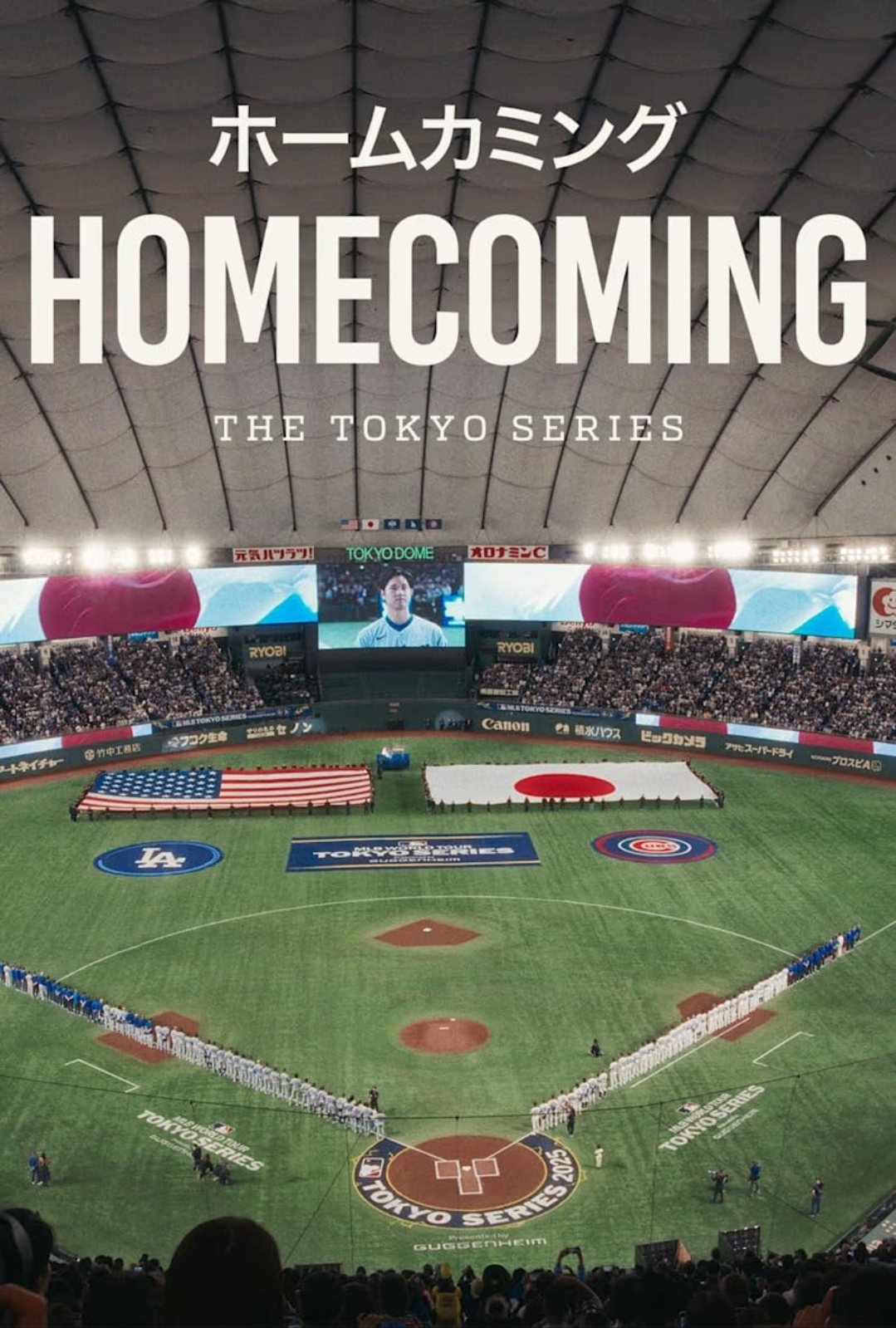
Homecoming: The Tokyo Series Parents Guide: Is It Kid-Friendly?
With Caution, Homecoming: The Tokyo Series is best suited for teens due to mature emotional themes, moderate violence, romantic subplots, and occasional strong language, though it avoids graphic content and explicit material.
Quick-Scan Safety Card
| Category | Rating | Details |
|---|---|---|
| MPA Rating | TV-14 | Rated TV-14 for thematic material, moderate violence, and language |
| Target Age | 13+ | Recommended for teens comfortable with emotional drama |
| Violence | Moderate | Realistic |
| Sex/Nudity | Low–Moderate | Romantic |
| Language | Moderate | Some strong profanity |
| Positive Role Models | 4/5 | Resilience |
What Is Homecoming: The Tokyo Series About? (No Spoilers)
Homecoming: The Tokyo Series follows a young Japanese-American journalist who relocates to Tokyo after a public career setback in the United States. What begins as a professional reset evolves into a deeply personal journey about identity, belonging, and reconciling cultural expectations.
The series explores family estrangement, career failure, romantic vulnerability, and the pressure of living between two cultures. Emotional triggers include references to parental disappointment, public humiliation, and strained friendships. One subplot addresses unresolved grief connected to a past family loss.
While visually vibrant and culturally rich, the show leans into mature conversations about ambition, shame, and self-worth. Teens navigating their own identity formation may find it relatable but younger viewers may struggle with its nuanced emotional landscape.
Why Is Homecoming: The Tokyo Series Rated TV-14?
The series carries a TV-14 rating for thematic material, moderate violence, and language.
This rating reflects occasional physical altercations, heated arguments, and romantic storylines involving adult characters. The language includes some strong profanity, though it is not constant.
There are no explicit sex scenes or graphic violence. However, the emotional intensity particularly around family conflict and romantic rejection elevates it beyond PG territory.
From a modern parenting perspective, the TV-14 rating is appropriate. The show is not exploitative, but it assumes a level of emotional maturity that aligns more with teens than preteens.
The Nitty Gritty: Detailed Content Breakdown
Violence & Gore
Violence in Homecoming: The Tokyo Series is moderate and situational.
There are a few scenes involving hand-to-hand confrontations, typically stemming from workplace tensions or street altercations. One episode features a late-night confrontation in an alley where a character is pushed and briefly struck, resulting in minor visible bruising.
Another tense scene involves a public protest that escalates into crowd shoving and police restraint. No weapons are prominently used, and there is no graphic gore.
The emphasis is on emotional consequences rather than spectacle.
Scare factor: Low for teens, mild tension for sensitive viewers.
Profanity & Language
Language is moderate and realistic for adult drama.
Expect:
- Several uses of the F-word across the season
- Occasional uses of “s**t”
- Heated exchanges with insults such as “idiot” or “selfish”
- Some bilingual profanity in Japanese with subtitles
The profanity reflects workplace stress and romantic conflict rather than shock value. Families sensitive to strong language should be aware.
Sexual Content & Nudity
Sexual content falls into the low-to-moderate range.
There are multiple romantic storylines involving adult characters. Scenes include passionate kissing, implied intimacy (cutting away before explicit detail), and morning-after conversations in bed with bare shoulders visible but no explicit nudity.
Dialogue occasionally includes suggestive humor. Nothing graphic appears on screen.
The sexual content is relational and character-driven rather than explicit.
Substance Use
Substance use is present and culturally contextual.
Characters frequently drink alcohol in social settings, including bars and work gatherings. There are scenes of visible intoxication, though not glamorized.
Smoking appears occasionally in nightlife scenes. No drug use is depicted.
Teens may notice alcohol as a coping mechanism for stress, which could prompt discussion about healthy emotional regulation.
Age-by-Age Viewing Guide
Toddlers & Preschoolers (0–5)
Not appropriate.
The dialogue-heavy format and mature themes make it inaccessible. Emotional confrontations and occasional profanity are unsuitable for this age group.
Elementary (6–10)
Not recommended.
While there is little graphic content, the complex themes of career failure, cultural displacement, and romantic relationships will likely be confusing or unengaging.
The emotional intensity may also feel uncomfortable without context.
Tweens & Teens (11–15)
Best for 13+ with parental guidance.
Teens navigating identity, peer pressure, or bicultural experiences may find this series meaningful. It presents nuanced portrayals of ambition and vulnerability.
However, parents should be prepared to discuss language, romantic relationships, and portrayals of alcohol use.
For lighter teen-friendly options, see Link to: Best Family Movies of 2026
Positive Messages & Educational Value
Despite its mature tone, Homecoming: The Tokyo Series offers strong developmental value:
- Cultural awareness: Insight into contemporary Tokyo life and bicultural identity.
- Resilience: Rebuilding after public failure.
- Family reconciliation: Honest communication over avoidance.
- Professional ethics: Journalism portrayed as both challenging and meaningful.
The show encourages empathy for individuals navigating multiple cultural expectations. It also highlights the importance of accountability and growth.
For teens considering careers in media or international relations, it offers a grounded depiction of global work environments.
5 Discussion Questions for Families
- Why does the main character struggle with feeling “at home” in both countries?
- How does public failure shape her sense of identity?
- What role does pride play in her family conflict?
- Are the romantic relationships portrayed as healthy? Why or why not?
- How can someone rebuild trust after disappointing others?
Common Questions About Homecoming: The Tokyo Series
Is Homecoming: The Tokyo Series too mature for 12-year-olds?
For most 12-year-olds, yes. The romantic themes, strong language, and adult workplace conflicts are better suited to teens 13 and older.
Does the series have a post-credits scene?
No. Episodes conclude without additional mid- or post-credit scenes.
Are there any strobe light warnings in Homecoming: The Tokyo Series?
Some nightlife scenes include flashing club lights, but there are no extended strobe sequences typically associated with seizure warnings.
Final Verdict for Parents
Homecoming: The Tokyo Series is a thoughtful, character-driven drama that rewards emotional maturity. It is not explicit or graphic, but its themes of identity, romantic vulnerability, and cultural tension make it more appropriate for teens than children.
If you’re evaluating whether it’s safe for kids, focus on emotional readiness rather than surface-level content. For teens 13+, it can spark meaningful conversations about ambition, belonging, and resilience.
As always, previewing an episode is wise. If you’re searching for lighter viewing, explore Best Family Movies of 2026
For families ready to engage in thoughtful discussion, this series offers substance and valuable teachable moments.

Stephanie Heitman is a seasoned journalist and author dedicated to helping parents navigate the world of Hollywood entertainment through thoughtful, family-oriented film reviews. With over a decade of experience in writing and a passion for fostering safe, enriching viewing experiences, Stephanie launched Parentguiding.com to provide parents with the insights they need to make informed choices for their families.