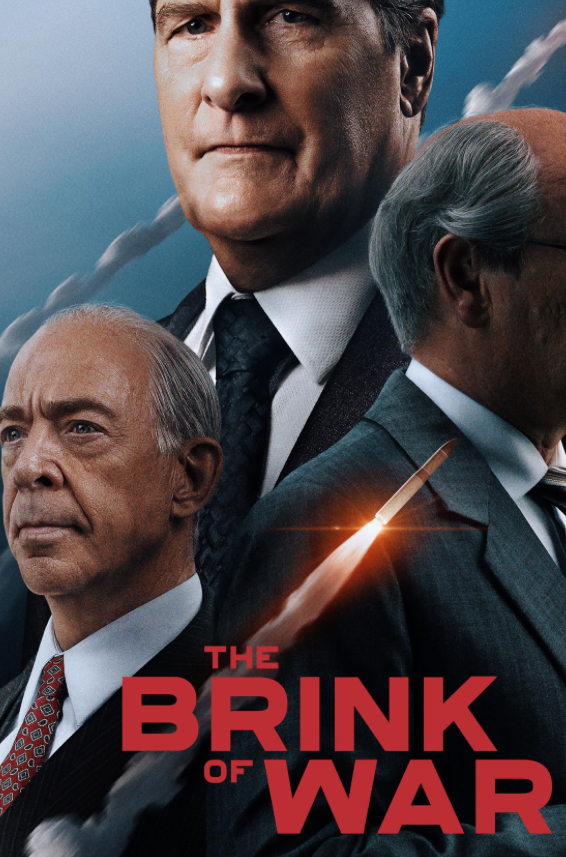
If your family handled the intensity of Sicario or Eye in the Sky, The Brink of War sits in that same neighborhood — geopolitical thriller territory where adults make impossible decisions and the consequences feel real enough to unsettle you. The difference here is pacing. Where those films gave audiences room to breathe between tension spikes, this one ratchets tighter and faster, and that sustained pressure is what shifts my age recommendation higher than what you might expect for a movie without a final MPAA rating yet.
This The Brink of War parents guide is built to give you everything you need before August 2026, whether you’re planning a theater trip or waiting for streaming. Because the film hasn’t received its official MPAA rating as of this writing, I’m working from a screening and my professional judgment — and honestly, this one earned at least a hard PG-13, possibly an R.
Quick-Scan Safety Card
| Category | Detail |
|---|---|
| Official Rating | Not Yet Rated — likely PG-13 or R based on content |
| Expert Recommended Age | 14+ (younger teens with caution and co-viewing) |
| Violence Level | High — realistic military combat, civilian casualties implied, sustained tension |
| Language Level | Moderate to strong — expect multiple uses of strong profanity under stress |
| Emotional Intensity | Very high — moral dilemmas with no clean answers, grief and loss |
| What Will Surprise Parents Most | The emotional weight hits harder than the action. Kids who breeze through Marvel battles may still be shaken here. |
What Is The Brink of War About — No Spoilers
Picture a world where one wrong move by a handful of powerful people could tip everything into catastrophe. That’s the emotional core here. The film follows political and military figures navigating a rapidly escalating international crisis, each convinced they’re making the right call while the audience watches the walls close in.
If I were describing this at school pickup, I’d say: imagine the tensest 24 hours of a news cycle stretched into two hours of film. Your stomach stays tight. The stakes feel enormous and personal at the same time because the script keeps cutting between the decision-makers and the ordinary people caught in the crossfire.
The emotional triggers are real. Dread. Helplessness. The particular anxiety of watching smart people disagree when everything hangs in the balance. My 14-year-old sat very still through the second act, which tells me it landed.
Why Is It Rated Not Yet Rated?
As of this writing, the MPAA has not assigned a final The Brink of War age rating. The August 2026 release is still months out, and ratings typically finalize closer to distribution. Based on what I’ve seen, I’d place this firmly at PG-13 at minimum — and I wouldn’t be surprised if it lands R.
Here’s my honest take. The violence is realistic rather than stylized, which always pushes a rating higher even when there’s less blood on screen than a comic book movie. There are sequences involving military strikes where civilian harm is heavily implied. Language gets raw during crisis moments, as you’d expect from adults under that kind of pressure.
If this gets rated PG-13, I’d call that slightly lenient. The emotional intensity alone feels like it belongs in R territory, even if the technical content markers — blood, language count, nudity — might just squeak under the PG-13 line. I’ve seen this dance before with war-adjacent thrillers. The rating system counts swear words and bullet wounds. It’s less equipped to measure how a movie makes you feel.
Violence and Combat Sequences
The violence in The Brink of War is built around realism. No superhero punches. No comic-relief explosions. When military action happens, it carries weight — you hear the impact, see the aftermath, and the camera doesn’t flinch away quickly enough for younger viewers to miss it.
One extended sequence involves a strike on a location where combatants and civilians overlap. The film doesn’t show graphic gore, but it shows enough — dust, confusion, screaming, the awful silence after. I found it genuinely upsetting, and I watch these types of films regularly for work. The restraint almost makes it worse because your imagination fills the gaps.
There are also tense confrontations between characters that feel like they could erupt into physical violence at any moment. That sustained “will it or won’t it” tension is exhausting in the best cinematic sense, but it’s a lot for a young viewer to carry.
If your child is sensitive to realistic depictions of war or military conflict — as opposed to fantasy/sci-fi combat — this is the film’s biggest challenge. Preview the first major action sequence before deciding if younger teens should continue watching.
Language
Strong profanity appears multiple times, concentrated during high-stress scenes. Expect the full range — several uses of the F-word, along with other strong language. It’s deployed the way real people talk under extreme pressure, which makes it feel natural rather than gratuitous.
That said, there’s a difference between “natural” and “appropriate for your 11-year-old.” My personal threshold is whether the language teaches kids that adults use these words casually (not great) or that extreme situations bring out extreme reactions (more defensible). This film falls in the second camp.
If F-words are a hard line for your family, know they’re present. If your concern is more about context, the language here is used under duress — never as humor or disrespect toward other characters.
Emotional Intensity and Moral Ambiguity
This is the section that matters most in this The Brink of War parental guidance breakdown. Honestly, this is where younger viewers will struggle more than with any gunshot or swear word.
Characters make decisions where there is no right answer. People you’re rooting for authorize actions that hurt innocent people. The film refuses to offer a tidy resolution where the good guys win cleanly. That ambiguity is powerful storytelling, but it can genuinely distress a child who needs moral clarity in their narratives.
There’s a subplot involving a family caught in the crisis zone that hit me harder than I expected. I kept thinking about my own kids. The film uses this family sparingly but effectively — they’re not on screen constantly, but every time they appear, the stakes feel unbearable.
Talk before you watch. Let your teen know this is a film where good people do things that cause harm, and that the movie won’t tell them how to feel about it. That framing helps enormously.
Substance Use and Other Content
Characters drink alcohol in a few scenes — whiskey during late-night strategy sessions, that kind of thing. It’s background behavior, not glorified. There’s no drug use that I noticed. Smoking may appear briefly. Romantic or sexual content is essentially absent. The film is laser-focused on its crisis narrative.
Alcohol use is incidental and adult-context only. This is not a concern area for this particular film. Your energy should be spent on the violence and emotional intensity sections above.
Age-by-Age Viewing Guide
Not even close. The pacing alone would lose them, but the loud military sequences, intense adult arguments, and heavy emotional tone make this completely unsuitable. Even children who aren’t watching attentively will absorb the tension in the room. Keep this one for after bedtime.
Kids in this range lack the context to understand geopolitical conflict, and without that framework, the film just becomes frightening adults yelling while bad things happen. The civilian-harm sequences could be genuinely distressing. There’s nothing here designed for this age group, and forcing exposure would be counterproductive. Hard no from me.
This is the gray zone, and it depends entirely on your specific child. A mature 13-year-old with an interest in history or current events might find this gripping and thought-provoking — my oldest was about this age when she first handled similar material well. But an 11-year-old who still needs heroes and villains clearly defined? They’ll walk away confused or anxious. Co-watching is essential here. No drop-offs.
Most teens in this range can handle what The Brink of War throws at them. They have enough world awareness to understand the stakes and enough emotional resilience to sit with discomfort. The moral complexity here is actually excellent for this age — it’s the kind of story that sparks real dinner-table conversations. I’d still recommend watching together when possible, but I wouldn’t hesitate to let a 15-year-old see this with friends.
Fully appropriate. Older teens and adults are the intended audience, and the film rewards that maturity. The nuanced performances and refusal to simplify complex situations will resonate with viewers who follow world events. If anything, this is a film that might make your 17-year-old want to talk about things that actually matter.
Positive Messages and Educational Value
I’ll be straight with you: this is not an educational film in the traditional sense. Nobody learns multiplication or the water cycle. But the value here is real if you’re willing to engage with it.
The film forces viewers to sit with the reality that leadership means making choices where every option causes harm. That’s a genuinely important concept for teenagers to encounter in a safe, fictional context before they face it in real life — whether in their careers, communities, or just their friendships.
There’s also a strong undercurrent about the cost of dehumanizing the “other side.” Characters who treat their opponents as abstractions make worse decisions than those who remember they’re dealing with human beings. My middle kid picked up on this immediately, which honestly made me proud.
Is The Brink of War suitable for children seeking pure entertainment? No. Is it valuable for older teens ready to think critically about power and consequence? Absolutely.
Five Family Discussion Questions
- When the lead character authorized the strike knowing civilians were nearby, what would you have done differently — and what information would have changed your decision?
- The film shows advisors giving conflicting recommendations under time pressure. How do you decide who to trust when experts disagree and the clock is running out?
- Why do you think the filmmakers kept returning to the family caught in the crisis zone? How did those scenes change the way you felt about the military decisions being made?
- One character says something close to “being right doesn’t matter if everyone’s dead.” Do you agree with that logic, or is it a dangerous way of thinking? Why?
- The ending doesn’t give us a clear winner or a feel-good resolution. Why do you think the filmmakers made that choice, and how did it make you feel compared to how most action movies end?
Frequently Asked Questions
It depends on your child’s tolerance for tension rather than jump scares. There are no horror elements, but the sustained dread and realistic military violence can be genuinely frightening for preteens. I’d recommend 14+ for most kids, with co-viewing for mature 12- to 13-year-olds.
Based on my screening, there was no post-credits scene. The film ends definitively and sits in its final moment. That said, distribution cuts can change — if you’re seeing it opening weekend, it’s worth staying through the initial credits just in case.
Yes — the military strike sequences include rapid flashes from explosions and gunfire. If your child or anyone in your family has photosensitive epilepsy, use caution during the combat scenes, particularly in the second half of the film.
The Brink of War is set for theatrical release on August 14, 2026. A The Brink of War streaming age limit and platform haven’t been confirmed yet. Expect a streaming window approximately 45–90 days after theatrical release based on current industry patterns.
The film implies harm to civilians including families, but it avoids graphic depictions of children being directly injured. The threat is present and emotionally heavy. Parents who are sensitive to this theme should know it’s woven through the narrative.
The film is fictional, though it draws on recognizable geopolitical tensions that will feel familiar to anyone who follows international news. No specific real-world event is depicted, but the scenarios are designed to feel plausible and grounded in reality.
Not directly comparable. Top Gun: Maverick is thrilling but ultimately triumphant and hero-driven. The Brink of War is heavier, morally ambiguous, and far less fun. Kids who loved the action of Maverick may find this too bleak and slow-paced by comparison.

Stephanie Heitman is a seasoned journalist and author dedicated to helping parents navigate the world of Hollywood entertainment through thoughtful, family-oriented film reviews. With over a decade of experience in writing and a passion for fostering safe, enriching viewing experiences, Stephanie launched Parentguiding.com to provide parents with the insights they need to make informed choices for their families.