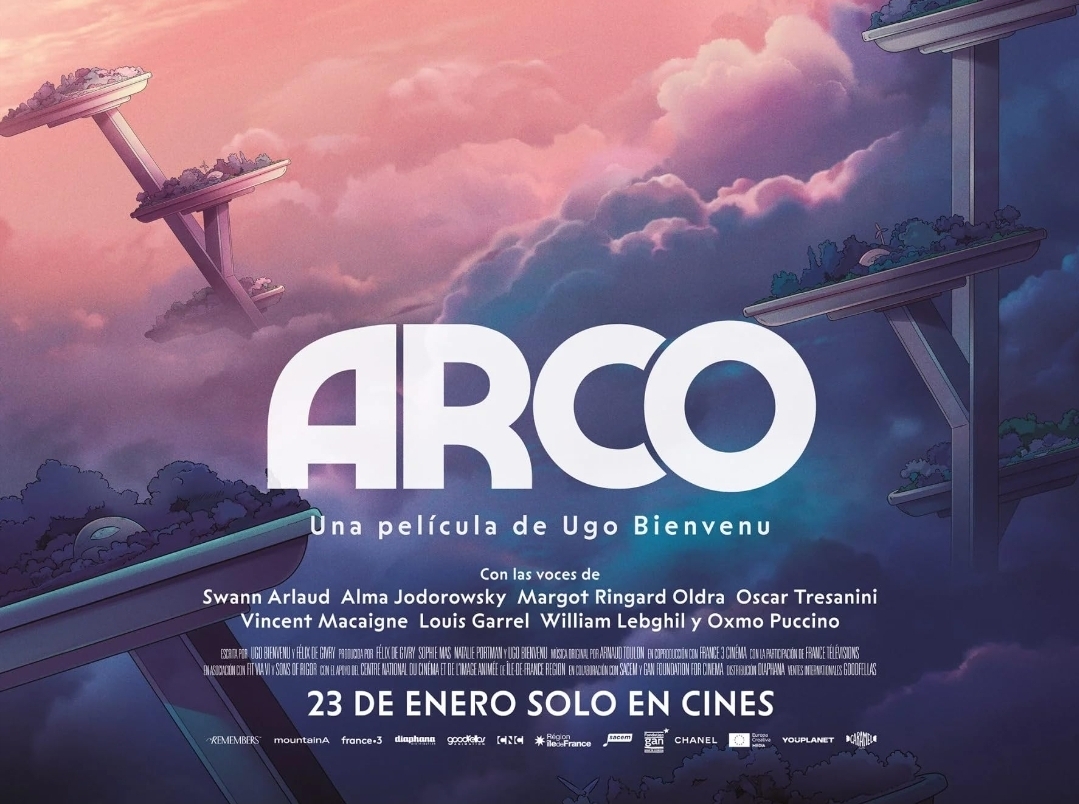
Is Arco appropriate for kids? That question has been landing in my inbox almost daily since this one started making the rounds, and the honest answer is: yes, but the emotional weight runs heavier than most animated PG films parents are used to. Here is everything behind that answer.
With Caution. Arco earns its PG and then some on the emotional side of things. The animation and adventure framing make it look like a breezy kids’ film, but there are themes of loss, separation, and identity that land harder than the rating suggests. Best for ages 7 and up, with a conversation ready for younger viewers.
Quick-Scan Safety Card
PG — for mild action, peril, and some thematic elements
7+ (some sensitive kids may need 8 or 9+)
Mild — animated action sequences, peril involving the main character, no blood or graphic content
Very mild — no strong language; occasional mild exclamations
High for an animated PG — themes of abandonment, grief, and belonging run throughout
Several tense chase and peril sequences; one emotionally distressing scene involving separation
The emotional depth around family rupture and identity crisis — this is not a light watch for kids who are sensitive to those topics
| Category | Detail |
|---|---|
| Official Rating | PG — for mild action, peril, and some thematic elements |
| Expert Recommended Age | 7+ (some sensitive kids may need 8 or 9+) |
| Violence Level | Mild — animated action sequences, peril involving the main character, no blood or graphic content |
| Language Level | Very mild — no strong language; occasional mild exclamations |
| Emotional Intensity | High for an animated PG — themes of abandonment, grief, and belonging run throughout |
| Scary Moments | Several tense chase and peril sequences; one emotionally distressing scene involving separation |
| What Will Surprise Parents Most | The emotional depth around family rupture and identity crisis — not a light watch for sensitive kids |
What Is Arco About
Arco is an animated adventure built around a young protagonist navigating a strange and visually inventive world after being separated from everything familiar. Think big landscapes, a sense of wonder tinged with real longing. It is the kind of film that draws kids in with colour and movement, then quietly pulls the rug with something emotionally substantial.
The core emotional engine here is belonging. Where do I come from, and does anyone actually want me? Those questions sit at the heart of the story in a way that younger children will feel even if they cannot articulate it. There is warmth and humour scattered throughout, but the undercurrent of grief and disconnection is persistent.
For kids who have experienced family change, loss, or adoption-related questions, this one is going to hit close to home. That is not a criticism. It is just something you want to know going in.
Why Is Arco Rated PG
The official PG rating points to mild action, peril, and thematic content. That is accurate as far as it goes, which is not very far. The action sequences are standard animated fare. Nothing gory, nothing sustained in a way that would alarm most school-age kids.
Where I think the rating undersells the content is on the emotional side. A PG for action is one thing. The grief-adjacent material here is genuinely heavy at points, and the scenes involving separation from a parent figure carry real weight. My own rating would be PG with a specific flag for emotionally intense thematic content, not just peril.
The MPAA system does a decent job flagging physical content. It consistently underweights the kind of emotional complexity that actually keeps sensitive kids up at night. Arco is a clear example of that gap.
Content Breakdown
Action and Peril
There are several chase sequences involving Arco that are well-staged and visually exciting. One extended sequence in the second act where the character is cornered in an unfamiliar environment is the most intense action moment in the film. It moves fast and the score does its job of ramping up tension.
None of it crosses into anything I would call frightening for a typical seven or eight year old. Kids who love animated action will be engaged rather than scared. The consequence level is kept low throughout these sequences, which helps.
If your child is sensitive to chase scenes or physical danger involving animal or child characters, the mid-film sequence is the one to be aware of. It resolves safely, but the tension builds for several minutes before it does.
Emotional Intensity and Themes of Loss
This is where the film earns the “with caution” flag from me. There is a scene in the first third of the film where Arco confronts the reality of being alone and unclaimed that hit harder than I expected. I noticed it immediately as something a child who has experienced parental loss or separation would feel very directly.
The film handles it with care. It does not exploit the emotion or leave the character in despair. But it does not soften the moment either, and that honesty, while artistically right, means parents should be ready for questions.
If your child is adopted, has experienced family separation, or is going through a difficult period related to family change, this film will almost certainly surface feelings worth talking about. That is not a reason to avoid it, but it is a reason to watch it together.
Scary Visuals and Dark Imagery
The visual design of Arco leans into contrast: bright, warm sequences set against darker, more foreboding environments. There are a handful of moments where the colour palette drops and the imagery gets genuinely unsettling without being horrifying. Think of the visual register of early Pixar rather than anything nightmarish.
One creature design in the third act raised an eyebrow for me in terms of the under-fives. It is not a horror image, but it is designed to unsettle, and it succeeds. Children who are easily affected by monster-adjacent imagery should be noted.
The darker visual sequences are brief and always move back toward light quickly. Still, watching the trailer ahead of time will give you a fair sense of the film’s aesthetic range.
Language and Dialogue
Language is a non-issue here. There is genuinely nothing worth flagging. The dialogue is clean throughout, and the script avoids the kind of adult humour layered in for parents that occasionally crosses a line. A few mild exclamations, nothing beyond what you would hear on any school playground.
Age-by-Age Viewing Guide
Not Appropriate
The emotional content and some of the darker visual sequences are simply too much for this age group. Very young children may also struggle with the pacing, which assumes a level of emotional literacy that most under-fives do not yet have. The separation theme in particular is the kind of thing that can genuinely distress a three or four year old in ways that are hard to address in the moment. Save this one for a few years.
With Caution
This is the sweet spot age range, but with real variation. A confident eight or nine year old who handles emotional complexity well is probably going to love this film. A more sensitive six year old who is close to themes of separation may find it upsetting. The action sequences are calibrated well for this group, and the humour works. My recommendation is to watch it with them the first time, at least through the first half.
Appropriate
Eleven to thirteens are likely to engage with the emotional layers here rather than be overwhelmed by them. This is an age where identity questions start to feel personal, and Arco touches those themes in a way that could actually spark genuinely interesting conversation. There is nothing in here inappropriate for this age group. They may even find it quietly meaningful in ways they will not immediately say out loud.
Appropriate
Teens in this range will either connect with the emotional core and appreciate it, or clock it as a younger-skewing film and disengage. Either reaction is fine. There is nothing remotely inappropriate here for this age group. The film’s themes of belonging and self-understanding are genuinely universal enough to land for a thoughtful teenager.
Appropriate
Adults who enjoy quality animation with genuine emotional investment will get something real from Arco. There is craft here that rewards an older eye. It is not adult content in any concerning sense, and watching it alongside younger family members is probably where it works best for this age group.
Positive Messages and Educational Value
Arco has genuine things to say about perseverance, self-belief, and the courage it takes to keep moving when you feel unclaimed or uncertain. Those are not manufactured lessons dropped in for the sake of it. They emerge from the story naturally enough that a child watching will absorb them without feeling lectured.
The film’s treatment of identity and belonging also makes it a useful starting point for conversations about family, difference, and what it means to find your people. For families who have navigated adoption, blended family structures, or significant change, this one could be a low-pressure way to open a door.
Honestly, the educational value is more discussion-adjacent than curriculum-friendly. But the emotional intelligence the film models is real, and that counts for something.
Five Family Discussion Questions
- When Arco realises they are alone and no one is looking for them, what do you think they feel in that moment? Have you ever felt like that, even just for a little while?
- Arco makes a choice in the middle of the film that most people would say is the safer option, but takes the harder path instead. Why do you think they did that, and would you have made the same call?
- The world in Arco is full of characters who have given up on finding where they belong. Do you think any of them were right to stop looking?
- By the end, what does “home” mean to Arco? Has that definition changed from what it meant at the start of the story?
- There is a moment when a character who seemed threatening turns out to have their own kind of loneliness. Did that change how you felt about them? Why?
Frequently Asked Questions
Yes, I would say so. The action peril is manageable, but the emotional sequences involving separation and being unclaimed are the kind of content that can genuinely distress younger children. The darker visual moments in the third act add to that concern. I would wait until at least age 7, and know your child before then.
There is a brief scene that plays during or after the credits that adds a small emotional coda to the main story. It is not a plot-relevant stinger, but it is worth staying for. Keep the little ones in their seats a moment longer.
There are a few high-energy animated sequences with rapid visual movement and light changes. I did not notice anything that would qualify as clinical strobe effects, but parents of children with photosensitive epilepsy should review the film’s official content advisories and consider medical guidance before viewing.
Arco is a 2025 release and streaming availability will depend on your region and distribution deals made after theatrical release. Check major platforms like Netflix, Disney Plus, and Amazon Prime for availability. Most platforms will list it under the PG rating, which is the official Arco age rating designation.
This one needs careful handling for those children. The film deals directly with being unclaimed, separation from parent figures, and the grief of not knowing where you belong. Watching it together and being ready to pause and talk is my strong recommendation. The film handles these themes with care, but they are present and real throughout.
The physical content is well within PG range. My concern is the emotional intensity around abandonment and identity, which the PG system does not fully flag. It is not inappropriate, but it is heavier than many parents expect going in. The Arco parental guidance note I would add is: emotionally intense thematic content for sensitive children.
It can be a genuinely powerful film for adopted children, but I would not show it without being present and prepared. Themes of being unclaimed, searching for origin, and finding chosen family are central to the story. For the right child at the right time, with the right conversation after, this one could mean a great deal.

Stephanie Heitman is a seasoned journalist and author dedicated to helping parents navigate the world of Hollywood entertainment through thoughtful, family-oriented film reviews. With over a decade of experience in writing and a passion for fostering safe, enriching viewing experiences, Stephanie launched Parentguiding.com to provide parents with the insights they need to make informed choices for their families.