Advertisements
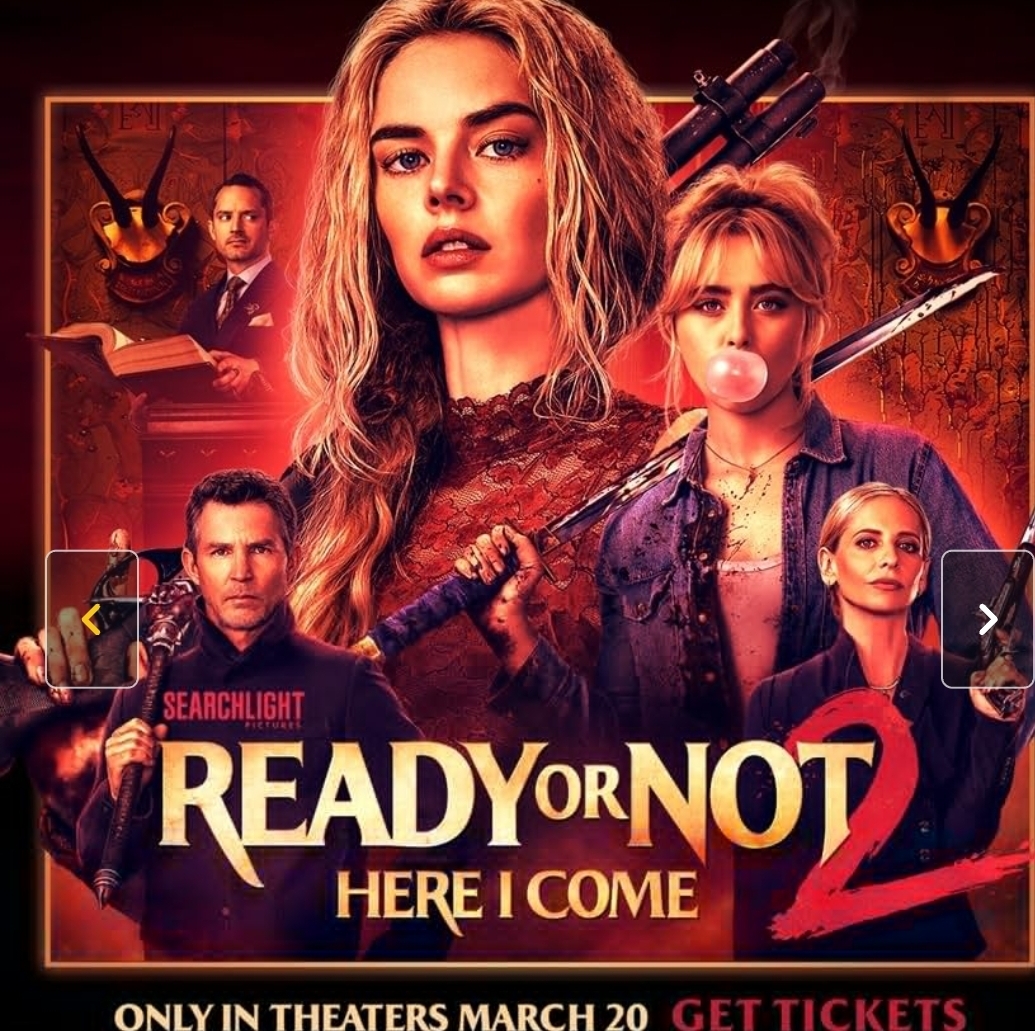
Ready or Not 2: Here I Come Parents Guide
About forty minutes into Ready or Not 2: Here I Come, there is a sequence where the camera holds on a character's face just long enough before the violence arrives that I actually put my pen down. Not because I was startled, exactly. Because I realized I'd been holding my breath for longer than I knew. That kind of sustained dread is this film's whole project, and it's executed with real craft. But craft doesn't make it appropriate for younger viewers. I screened this one twice before writing this Ready or Not 2: Here I Come parents guide. The first time I watched as a viewer. The second time I watched as someone who was going to have to explain what was in it to other parents. Both screenings confirmed the same thing. This is a film made for adults who can sit with prolonged, graphic tension and come out the other side.
With Caution — but realistically, No for most families. Ready or Not 2: Here I Come is a brutal, well-made horror sequel built on graphic violence, sustained fear, and dark satirical themes about family and class. It is not suitable for children or young teens. Mature 17-year-olds with a genuine appetite for horror may handle it, but this is squarely adult material.
Quick-Scan Safety Card
Official Rating
Not Yet Rated — anticipated R equivalent based on content
Expert Recommended Age
17 and above, with parental awareness
Violence
Severe — graphic kills, blood, prolonged pursuit sequences, torture-adjacent scenes
Language
Strong — frequent use of f-words, s-words, and crude dialogue throughout
Fear Factor
Very high — sustained dread, jump scares, dark atmosphere across most of the runtime
Themes
Ritual killing, class warfare, dark family dynamics, betrayal, survival at any cost
What Will Surprise Parents Most
The violence is more prolonged and visceral than the original — this is not a toned-down sequel
| Category | Detail |
|---|---|
| Official Rating | Not Yet Rated — anticipated R equivalent based on content |
| Expert Recommended Age | 17 and above, with parental awareness |
| Violence | Severe — graphic kills, blood, prolonged pursuit sequences, torture-adjacent scenes |
| Language | Strong — frequent use of f-words, s-words, and crude dialogue throughout |
| Fear Factor | Very high — sustained dread, jump scares, dark atmosphere across most of the runtime |
| Themes | Ritual killing, class warfare, dark family dynamics, betrayal, survival at any cost |
| What Will Surprise Parents Most | The violence is more prolonged and visceral than the original — this is not a toned-down sequel |
What Is Ready or Not 2: Here I Come About
If you know the original, you know the premise. A woman is hunted by her new husband's wealthy, unhinged family as part of a deadly ritual. The sequel picks up that thread and pulls it even harder. The emotional experience is relentless dread punctuated by dark, bitter humor. It plays on fears about trust, family loyalty, and what people with power will do to keep it. There are moments of genuine black comedy, but the horror is never far behind. For parents specifically, some of the family dynamics — manipulation, coercion, the weaponizing of loyalty — may hit differently than pure monster-movie scares. The film asks uncomfortable questions about who we protect and why. It wraps those questions in a lot of blood. That combination is what makes it compelling for adults and genuinely inappropriate for children.Why Is It Rated Not Yet Rated
Ready or Not 2: Here I Come had not completed its formal MPAA rating process at the time of this writing. Based on everything I saw in the screener, I would expect a hard R. Possibly one with specific advisory language attached. The content that will drive that rating is not subtle. There are multiple sequences of graphic, bloody violence. Characters die in ways that are shown fully on screen. The language is consistent and strong throughout. The tone never softens into anything that might push this toward PG-13 territory. My honest assessment is that the R rating, when it comes, will be accurate. If anything, parents should treat this as they would an R-rated film right now and not wait for official guidance before making viewing decisions for their families.Content Breakdown
Violence and Gore
This is where the film earns its expected rating most clearly. The violence is not incidental or brief. There are extended sequences built entirely around physical danger, and the camera does not look away during the worst moments. I counted at least five scenes I would describe as genuinely graphic rather than merely intense. One sequence in the second act, involving a trap and a confined space, was the kind of thing that made me grateful I was watching alone. Not because it is gratuitous for the sake of shock, but because it is shot with real intent and commitment. That intent lands hard.💡 For parents:If your teenager has a low tolerance for sustained gore or is easily disturbed by visceral on-screen violence, this film will push past their comfort zone. The violence is not stylized or cartoony — it is grounded and physical in a way that makes it more, not less, distressing.
Fear, Dread, and Jump Scares
The original film had a knowing, almost playful quality underneath its horror. The sequel leans darker. The dread is less punctuated and more sustained, which I personally found more effective as a horror viewer but more concerning as a parent thinking about who might be in the audience. There are jump scares, but the more effective fear comes from atmosphere and anticipation. The film is genuinely good at building tension. That skill is exactly why it would be overwhelming for younger or more sensitive viewers.💡 For parents:The sustained tension is likely to cause more distress than the jump scares for many viewers. Children and young teens who struggle with anxiety or horror-related nightmares should absolutely not see this. Even some adults I know would find the pacing relentless.
Language
Strong language appears early and continues throughout. The f-word is used frequently, and there is crude and sexual language in the dialogue between characters. It fits the tone of the film and feels earned within the context, but it is consistent enough that it is worth flagging for parents on that basis alone.💡 For parents:If language is a specific concern in your household, know that it is not limited to a few scenes. This is throughout the film, and some of it is particularly coarse in moments of high tension where characters are under extreme stress.
Dark Themes and Psychological Content
Beyond the physical scares, the film has a psychological undercurrent that I think deserves its own note. The central horror is built around family — specifically around the idea that the people closest to you are willing to sacrifice you for their own gain. That theme is handled with more depth in this sequel than in the original. For teenagers who have complicated family situations, or who are processing trust issues, this could land in unexpectedly heavy ways. I do not say that to over-dramatize the content. It is just something I noticed and something a thoughtful parent should factor in.💡 For parents:The film's class and family themes may open real conversations for the right viewer at the right age. But those conversations require emotional maturity that younger teens often have not yet developed. Context and timing matter a great deal here.
Age-by-Age Viewing Guide
Under 5
Not Appropriate
There is no version of this recommendation that changes for young children. Ready or Not 2: Here I Come contains graphic violence, sustained fear, and adult themes that would be genuinely alarming and potentially harmful for children in this age group. This is not a close call.
6 to 10
Not Appropriate
Still a firm no. Children in this range are at a developmental stage where horror of this intensity, particularly horror built around family betrayal and graphic death, can create lasting fear responses. The Ready or Not 2: Here I Come content warning is not light. This film was not made with anyone under 17 in mind.
11 to 13
Not Appropriate
I know plenty of 12-year-olds who will tell you they watch horror all the time and it does not bother them. I believe them. But this film is a different category from most of what they mean by that. The gore, the sustained dread, and the thematic weight around family and survival are genuinely too much for this age group, regardless of prior horror experience.
14 to 16
Not Appropriate
This is where I know I will lose some parents. A 15 or 16-year-old who loves horror and has seen the original will push hard to see this. I understand that. But the violence in the sequel is escalated enough, and the psychological content layered enough, that I genuinely do not think 14 to 16 is the right age range here. If your teenager is 16 and a sophisticated horror viewer, that is a parental call, but please go in informed.
17 and Above
With Caution
For adults and older teens who enjoy this genre with clear eyes, Ready or Not 2: Here I Come is a well-crafted horror film. The Ready or Not 2: Here I Come streaming age limit will almost certainly be 17 or 18 when platforms get formal guidance. I think that is right. Even at this age, viewers with trauma histories related to family violence or those with high anxiety should think carefully before watching.
Positive Messages and Educational Value
I want to be honest here rather than stretch for positives that are not really there in any direct sense. This is a horror film built primarily to scare and entertain. It does not carry an educational agenda. What it does carry, for viewers old enough to engage with it critically, is a sharp satirical edge about wealth, class, and inherited power. The villain family is not scary simply because they are violent. They are scary because they genuinely believe their privilege entitles them to do what they do. That is a real idea worth discussing. For the right age group, the film could spark good conversations about complicity, about the things families ask us to accept without question, and about what survival looks like when the system around you is rigged. Those are meaningful discussions. But they require an adult or near-adult viewer to get there.Family Discussion Questions
- The film's villain family frames the ritual as tradition and heritage. At what point does tradition stop being something worth preserving?
- Several characters in the film are aware that what they're doing is wrong but participate anyway out of loyalty to their family. What do you think is being said about the difference between loyalty and complicity?
- The main character survives largely by refusing to accept the rules of the game she has been forced into. How does her refusal to play by their terms change the power dynamic in the film?
- The film uses dark humor at very specific moments during intense scenes. Why do you think the filmmakers made that choice, and did it work for you?
- The wealthy family in the film genuinely believes their survival depends on the ritual. What does the film seem to be saying about the stories powerful people tell themselves to justify harm?
Frequently Asked Questions
Is Ready or Not 2: Here I Come safe for kids?
No. This film contains graphic violence, sustained horror, strong language, and dark themes around family and survival. It is not appropriate for children or young teenagers. Based on the content, this is firmly an adult horror film suited to viewers 17 and older.
What is the Ready or Not 2: Here I Come age rating?
The film is currently not yet rated by the MPAA. Based on the content I screened, a hard R rating is the clear expectation. Parents should treat it as an R-rated film now rather than waiting for the official classification before making decisions for their family.
How scary is Ready or Not 2: Here I Come for younger teens?
Very. The fear here is not limited to jump scares. The film builds sustained dread across long sequences, and the violence is graphic and physical. Younger teens, and particularly those prone to anxiety or who are easily disturbed by horror, would find this genuinely overwhelming.
Is there a post-credits scene in Ready or Not 2: Here I Come?
Based on the version I screened, there is a brief scene after the main credits begin rolling. It is short but narratively significant for anyone interested in where the story might go next. Stay seated for at least the first minute of credits to catch it.
Does Ready or Not 2: Here I Come have strobe effects or photosensitivity triggers?
There are sequences involving flickering light sources and rapid visual cuts, particularly during the more intense action scenes. Viewers with photosensitive epilepsy or who are sensitive to strobe effects should be aware of this before watching. Checking official accessibility advisories when they are released is advisable.
Where can I watch Ready or Not 2: Here I Come and is there a streaming age limit?
The film is set for a 2026 theatrical release. Streaming availability has not been confirmed at the time of writing. When it does arrive on streaming platforms, expect a minimum age gate consistent with an R-rated film, typically 17 or 18 depending on the platform's own policies.
Is Ready or Not 2: Here I Come more violent than the first film?
Yes, meaningfully so. The original had a darkly comic tone that balanced its horror. The sequel leans harder into the violence and the dread. If you found the first film borderline, this one will push past that line. Parents who permitted the original for older teens should reassess before doing the same here.
Does Ready or Not 2: Here I Come have any trigger warnings parents should know about?
Key trigger warnings include graphic violence, blood and gore, themes of family betrayal and coercion, depictions of entrapment, strong language, and dark humor used in the context of life-threatening situations. The family dynamics specifically may be distressing for viewers with difficult personal histories around family trust.

Stephanie Heitman is a seasoned journalist and author dedicated to helping parents navigate the world of Hollywood entertainment through thoughtful, family-oriented film reviews. With over a decade of experience in writing and a passion for fostering safe, enriching viewing experiences, Stephanie launched Parentguiding.com to provide parents with the insights they need to make informed choices for their families.