Here’s the thing no one expected Forrest Gump to trend again in 2026. It’s a film from 1994. A beloved one. The kind your parents quote at dinner. The kind teachers show on a Friday when they’re tired.
And yet… here we are.
I recently rewatched it in a small revival theater packed with teens, parents, and a surprising number of critics scribbling notes like it just premiered. The reactions? Mixed. Loud. Sometimes uncomfortable. People laughed but not always at the same moments anymore.
So what changed?
Let’s break it down.
Deep-Dive Plot Summary Act-by-Act
Act 1: The Bench, The Feather, and a Different Kind of Hero
We meet Forrest sitting on a bench, telling his life story to strangers. It’s a simple device, but it still works. Even now.
He grows up in Alabama with leg braces and a mother who refuses to let the world define him. “Life is like a box of chocolates… you know the line. It still lands, but today it feels almost… ironic. Like the movie is quietly asking whether life really is that random or if that idea lets us ignore bigger issues.
The emotional core here is young Forrest’s friendship with Jenny. She’s the one who tells him to “run.” It’s sweet. It’s also the beginning of something much darker.
And yes, that bus stop scene? Still hits.
Act 2: Accidental Greatness and America’s Timeline
This is where Forrest’s life becomes a highlight reel of American history.
- College football star
- Vietnam War hero
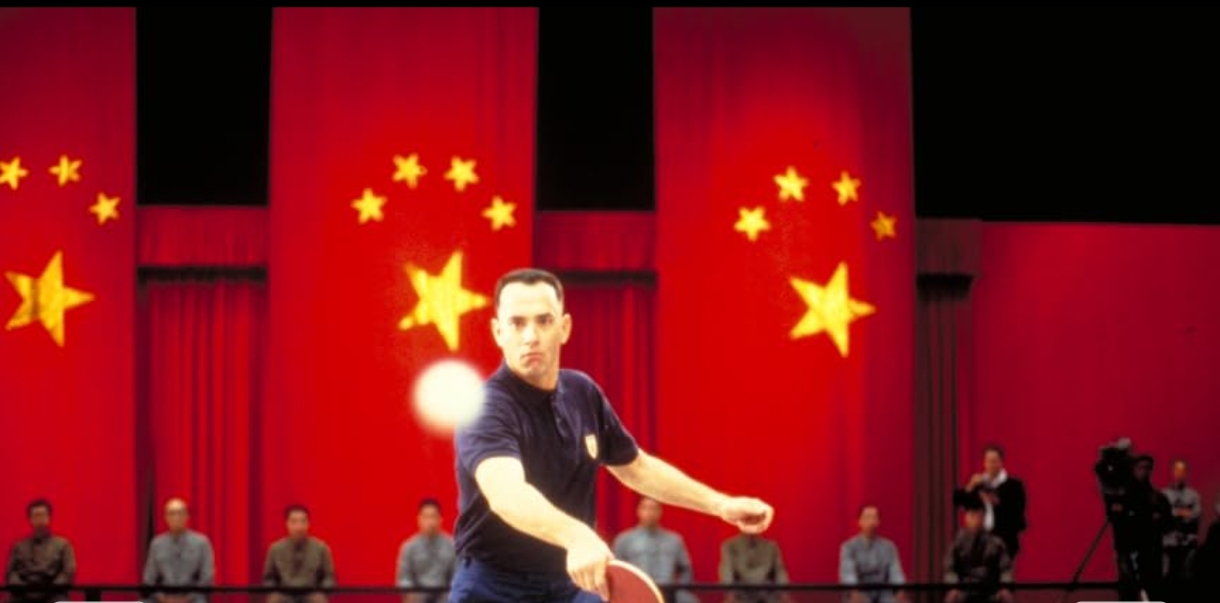
- Ping-pong diplomat
- Shrimp boat captain
- Accidental millionaire
Back in the ’90s, this felt magical. Now? It’s where the controversy starts creeping in.
Because Forrest doesn’t just witness history he glides through it untouched. Meanwhile, characters like Jenny are torn apart by it.
Watching this in 2026, I heard someone whisper, “So he just… wins at everything?” And honestly, that question sticks.
Still, there are moments that work beautifully:
- Bubba’s death quiet, devastating, no theatrics
- Lieutenant Dan’s arc arguably the strongest in the film
- The shrimp boat scenes calm after chaos
But the pacing? It drags in places. Especially the cross-country running sequence. What once felt poetic now feels a bit indulgent.
Act 3: Jenny, Loss, and the Weight of Simplicity
The final act is where the film gets messy emotionally and thematically.
Jenny returns. Leaves. Returns again.
Her life is full of trauma, addiction, and instability. The film presents it with sympathy, but also this is where modern audiences push back with a sense of inevitability that feels uncomfortable.
Meanwhile, Forrest remains… unchanged.
That’s the point, sure. But it raises questions:
- Is the film celebrating innocence or ignoring complexity?
- Is Jenny’s story treated with enough care?
When Forrest learns he has a son, the tone shifts. It becomes quieter. Smaller. More grounded.
And that final bench scene? Still powerful. Still emotional.
But now it carries a different weight.
Ending Explained: The Final Twist and What it Means for the Sequel
Let’s talk about that ending because in 2026, it’s being interpreted very differently.
Forrest discovers he has a son, Forrest Jr., who is intelligent and healthy. This moment flips one of the film’s long-running assumptions: that Forrest’s intellectual disability defines his life path. Instead, we see a new generation one that blends Forrest’s emotional openness with a more conventional worldview.
Jenny’s death is handled quietly. No big speeches. No dramatic swell. Just absence. And that’s where things get complicated.
Back in the day, many viewers accepted Jenny’s arc as tragic but fitting. Today, it’s being reexamined. Critics argue the film punishes her for a life shaped by abuse and instability, while Forrest is rewarded for passivity. That contrast feels sharper now than it did in the ’90s.
The “twist,” if you can call it that, isn’t about plot it’s about perspective.
The feather that floats at the beginning returns at the end. It suggests randomness. Fate. Maybe both. But here’s the catch: modern audiences aren’t buying that randomness is neutral. They see systems, privilege, and luck playing a bigger role than the film acknowledges.
So what does this mean for a potential sequel?
Studios are reportedly exploring a continuation focused on Forrest Jr. If that happens, expect:
- A more grounded narrative
- Direct engagement with modern social issues
- A reevaluation of Forrest’s legacy as a father
Because the big question isn’t “What happens next?”
It’s: What did Forrest’s story really mean and who did it leave behind?
The “Parents Guide” Breakdown
| Category | Intensity 1–10 | What Parents Should Know |
|---|---|---|
| Violence | 6/10 | War scenes include injuries and emotional trauma, though not overly graphic. Bubba’s death is especially heavy. |
| Language | 4/10 | Mild profanity throughout. Nothing extreme, but present. |
| Sexual Content | 5/10 | Implied relationships, references to abuse, and mature themes involving Jenny’s life. Nothing explicit. |
| Positive Messages | 7/10 | Themes of kindness, perseverance, and loyalty. However, messaging about life outcomes may feel oversimplified. |
Screen Safety Tips & Parental Controls Streaming Platform Guide
If you’re planning to stream Forrest Gump at home especially with younger teens there are a few smart ways to manage the experience.
Parental Controls
Most major platforms (like Netflix, Paramount+, or Amazon Prime Video) allow you to:
- Set age restrictions PG-13 recommended here
- Create kid profiles
- Block specific titles if needed
Watch Together
I watched this with a younger cousin last year, and we paused more than once. Not because it was inappropriate but because it raised questions.
That’s your best tool: context.
Talk about:
- The Vietnam War
- Jenny’s life choices
- How the world has changed since the story takes place
Using a VPN for Geo-Locked Content
If the movie isn’t available in your region:
- A VPN can help access different libraries
- Look for a reliable, fast VPN with strong privacy features
Search tip: “Best VPN for [Streaming Platform]” for updated options.
Cast & Performance Analysis
Tom Hanks as Forrest? Still iconic.
But here’s the honest take: in 2026, the performance is being viewed through a more critical lens. Some argue it leans into caricature. Others say it’s deeply human.
Both can be true.
Robin Wright Jenny delivers a performance that feels even more important now. There’s pain there that the script doesn’t always fully explore but she brings it anyway.
Gary Sinise as Lieutenant Dan? Honestly, he steals the movie. His arc has the most growth, the most conflict, and the most payoff.
Cinematography
The visual effects once groundbreaking are showing their age. The historical insert shots (Forrest meeting presidents, etc.) look dated.
But the natural cinematography? Still gorgeous.
- Soft Southern lighting
- Wide coastal shots
- Intimate close-ups during emotional moments
It’s uneven, but memorable.
Comparison: Movies Like Forrest Gump
1. The Curious Case of Benjamin Button
Both films explore a life story across decades. But Benjamin Button leans more into melancholy and less into coincidence.
2. Big Fish
Another story about storytelling itself. It’s more whimsical and arguably more self-aware.
3. Rain Man
This one draws the most direct comparison. Both feature neurodivergent protagonists, but Rain Man handles the subject with a more grounded approach.
FAQ People Also Ask
1. Why is Forrest Gump controversial in 2026?
Because audiences are reexamining its themes around intelligence, privilege, and how different characters are treated.
2. What is Forrest Gump’s age rating?
PG-13. Suitable for teens with parental guidance due to war scenes and mature themes.
3. Is Forrest Gump appropriate for kids?
Older kids 13+ can watch it, but it’s best viewed with discussion.
4. Where can I stream Forrest Gump?
Availability varies by region. Check platforms like Paramount+ or Prime Video.
5. Is a sequel to Forrest Gump happening?
There are ongoing discussions, but nothing officially confirmed.
Final Thoughts
The bottom line is this: Forrest Gump didn’t change but we did.
Watching it now feels like looking at a time capsule that doesn’t quite fit the present. Some parts still shine. Others feel… off.
And that’s exactly why it’s being talked about again.
Not because it’s perfect.

Stephanie Heitman is a seasoned journalist and author dedicated to helping parents navigate the world of Hollywood entertainment through thoughtful, family-oriented film reviews. With over a decade of experience in writing and a passion for fostering safe, enriching viewing experiences, Stephanie launched Parentguiding.com to provide parents with the insights they need to make informed choices for their families.