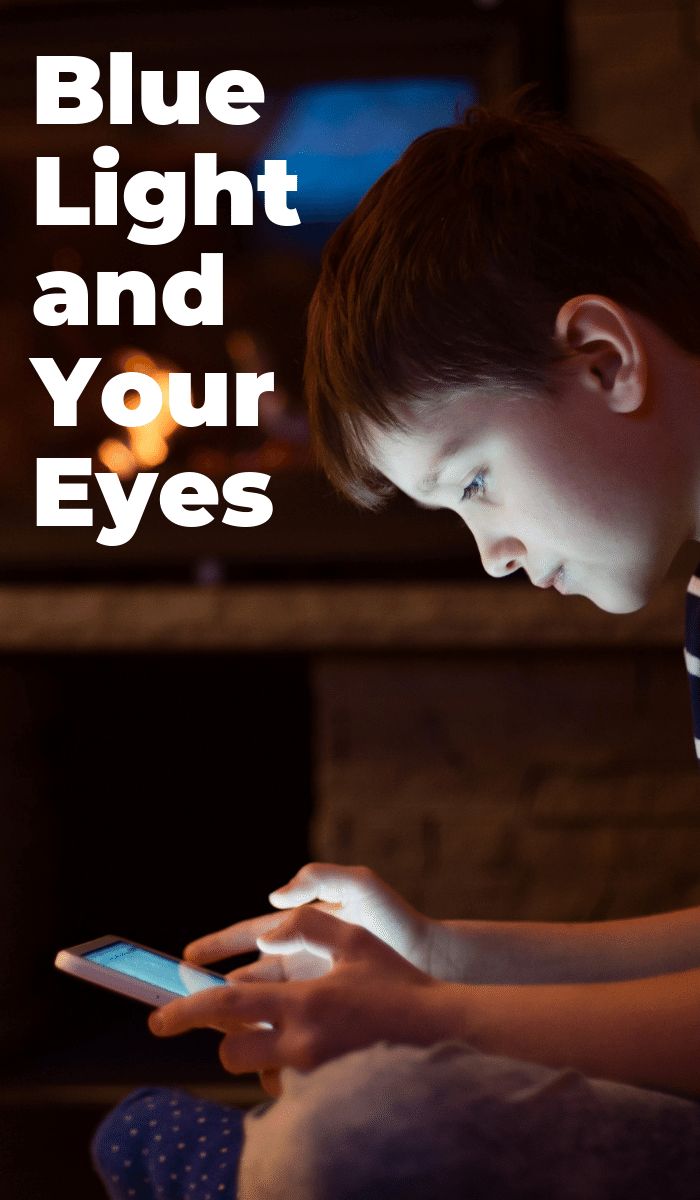
If you’ve ever watched your kid glued to a tablet late at nighteyes wide, room dark, screen blazingyou’ve probably wondered: Is this actually harming them? I’ve had that exact moment. Sitting on the couch, pretending to watch a show while secretly watching my kid’s face glow neon blue. It feels wrong. But is it?
Here’s the thing: blue light filters have become the “quick fix” parents cling to. Tap a setting, install an app, buy special glasses and boom, problem solved… right?
Not so fast.
This isn’t just a tech feature. It’s become a whole narrative. And like any good story, there are myths, plot twists, and a reality that’s a lot more nuanced than the marketing suggests.
Deep-Dive Plot Summary: The Story of Blue Light, Kids, and Screen Time
Act 1: The Fear Factor Where It All Begins
The story opens with a familiar tension: screens are everywhere. Tablets at dinner. Phones before bed. Laptops for homework. Kids today aren’t just using screens they’re living in them.
Then comes the villain: blue light.
You start seeing headlines:
- “Blue light damages eyes!”
- “Screens disrupt sleep!”
- “Your child’s vision is at risk!”
Naturally, parents panic. I did too. It feels like we’ve handed our kids something harmful and didn’t read the warning label.
Enter the hero: blue light filters.
They promise:
- Less eye strain
- Better sleep
- Protection from long-term damage
Simple fix. Low effort. High reward. Sounds perfect.
But like any good first act, things aren’t what they seem.
Act 2: The Science Pushback Cracks in the Story
This is where the tone shifts.
Experts actual ophthalmologists and sleep researchers start weighing in. And suddenly, the story gets complicated.
Here’s what they say:
- Blue light isn’t inherently dangerous in normal screen exposure.
Unlike UV rays from the sun, screens don’t emit enough intensity to damage the retina. - Digital eye strain is real but not because of blue light.
It’s caused by:- Staring too long
- Reduced blinking
- Poor posture
- Sleep disruption is the real issue.
Blue light can suppress melatonin. That’s the hormone that tells your brain it’s time to sleep.
So now the narrative shifts:
- It’s not about eye damage.
- It’s about sleep cycles.
And suddenly, those blue light filters? They’re not a cure-all they’re a supporting character at best.
Act 3: The Parenting Reality Check
This is the part that hits hardest.
Because even if blue light isn’t frying your kid’s eyes, something still feels off. And honestly? That instinct isn’t wrong.
I’ve seen it firsthand:
- A kid gets off a screen and can’t wind down
- Bedtime turns into a battle
- Mornings are groggy and chaotic
Blue light filters might help a little but they don’t fix:
- Overstimulation
- Addictive app design
- Too much screen time before bed
That’s the real issue.
The story stops being about light. It becomes about habits.
Ending Explained: The Final Twist and What it Means for the Sequel
Let’s break this down clearly, because this is where most parents get misled.
The “twist” in this whole blue light narrative is simple:
Blue light filters are helpful but they’re not the solution you think they are.
They do one thing reasonably well:
- Reduce blue wavelengths that can interfere with melatonin production
But they don’t:
- Prevent eye damage because that’s not really a risk from screens
- Eliminate eye strain
- Replace healthy screen habits
So what does this mean going forward the “sequel,” if you will?
It means the real focus shifts to behavior, not technology.
Here’s what actually matters:
1. Timing Beats Filtering
A kid using a screen at 9 PM even with a filter is still stimulating their brain. The content matters. The interaction matters. The light is just one piece.
2. Duration Is the Bigger Problem
Two hours of filtered screen time is still… two hours of screen time.
3. Environment Changes Everything
Watching a tablet in a dark room? That’s rough on the eyes and sleep cycle. Filter or not.
4. Filters Can Create False Confidence
This is the biggest trap. Parents turn on “Night Mode” and feel like they’ve solved the issue. Meanwhile, bedtime creeps later and later.
The sequel to this story isn’t about better filters it’s about:
- Screen boundaries
- Consistent routines
- Teaching kids how to unplug
The bottom line is this:
Blue light filters are a tool. Not a shield. Not a fix. Just a small piece of a much bigger puzzle.
Parents Guide Breakdown
Here’s a practical, no-nonsense look at how screen use (and blue light exposure) stacks up for kids:
| Category | Intensity 1–10 | What Parents Should Know |
|---|---|---|
| Violence | 2/10 | Not related to blue light, but screen content often includes mild cartoon or game-based violence. Monitor content, not just screen settings. |
| Language | 3/10 | Apps, YouTube, and games can expose kids to mild or inappropriate language. Filters don’t block this parental controls do. |
| Sexual Content | 2/10 | Risk depends entirely on content access. Open platforms increase exposure risk. |
| Positive Messages | 6/10 | Educational apps and controlled screen use can support learning but only when balanced with offline activities. |
Screen Safety Tips & Parental Controls Streaming Platform Edition
Let’s get practical. Because theory is nice but parents need tools.
How to Make Screen Time Safer
- Enable Night Mode or Blue Light Filters
- On iOS: Night Shift
- On Android: Night Light
- On tablets: Usually under Display settings
- Set a Screen Curfew
- No screens 60–90 minutes before bed
- This matters more than any filter
- Use Parental Controls on Streaming Platforms
- Netflix: Kid profiles + maturity ratings
- YouTube: YouTube Kids or supervised accounts
- Disney+: Content filters by age
- Adjust Brightness
- Match the room lighting
- Avoid bright screens in dark rooms
- Using a VPN for Geo-Locked Content
Sometimes content isn’t available in your region. That’s where VPNs come in.
- A VPN Virtual Private Network lets you access libraries from other countries
- Useful for educational shows or safer kids’ content not available locally
Best VPN for Streaming Platforms:
- Look for:
- Fast speeds
- Strong privacy policies
- Easy device compatibility
Important for parents:
A VPN doesn’t replace parental controls. It expands access so supervision matters even more.
Cast & Performance Analysis Yes, Really
If this were a movie, here’s how I’d cast it:
- Blue Light: The misunderstood antagonist
- Tech Companies: Smooth-talking side characters
- Parents: Overwhelmed protagonists
- Sleep Science: The quiet expert no one listens to
And honestly? The performances are mixed.
Tech Industry
They oversell. Big time. Blue light filters are marketed like miracle cures. They’re not.
Medical Experts
More grounded. Less flashy. But far more reliable.
Parents All of Us
We’re trying. But we’re also tired, busy, and sometimes too eager for quick fixes.
Cinematography a.k.a. User Experience
Let’s be real:
- Night mode looks better
- It’s easier on the eyes in dark rooms
But aesthetically pleasing doesn’t mean medically transformative.
Comparison Section: Similar “Stories” Worth Looking At
1. “Screen Time Limits: Do They Actually Work?”
Like blue light filters, limits sound great. But without consistency, they fall apart fast.
2. “Melatonin Supplements for Kids”
Another sleep-related fix. Sometimes helpful but not a replacement for routine.
3. Digital Detox Trends
Extreme version of the same idea. Effective short-term, but hard to sustain long-term.
The pattern?
Quick fixes vs. behavioral change. And behavioral change wins every time.FAQ Section People Also Ask
1. Do blue light glasses really protect kids’ eyes?
Not in the way most ads suggest. They may reduce glare and help with comfort, but they don’t prevent eye damage from screens.
2. Is blue light harmful to children?
In normal screen use, no. The bigger concern is sleep disruption, not eye damage.
3. Should kids use blue light filters at night?
Yes but as part of a bigger routine. Filters help, but they shouldn’t replace limiting screen time before bed.
4. What actually causes digital eye strain in kids?
- Long screen sessions
- Not blinking enough
- Poor lighting
- Sitting too close to screens
5. What’s the best way to protect kids’ eyes from screens?
- Follow the 20-20-20 rule every 20 minutes, look 20 feet away for 20 seconds
- Limit screen time before bed
- Encourage outdoor play
- Adjust lighting and posture
- Final Take
I’ve tried the filters. I’ve turned on every “eye comfort” setting available. And yes they help a little.
But the biggest difference?
Turning the screen off earlier. Sitting with my kid and setting a routine. Keeping devices out of the bedroom.
Not glamorous. Not high-tech. But it works.
If you’re hoping for a magic setting that solves everything this isn’t that story.
If you’re willing to make small, consistent changes?
That’s where things actually improve.

Stephanie Heitman is a seasoned journalist and author dedicated to helping parents navigate the world of Hollywood entertainment through thoughtful, family-oriented film reviews. With over a decade of experience in writing and a passion for fostering safe, enriching viewing experiences, Stephanie launched Parentguiding.com to provide parents with the insights they need to make informed choices for their families.