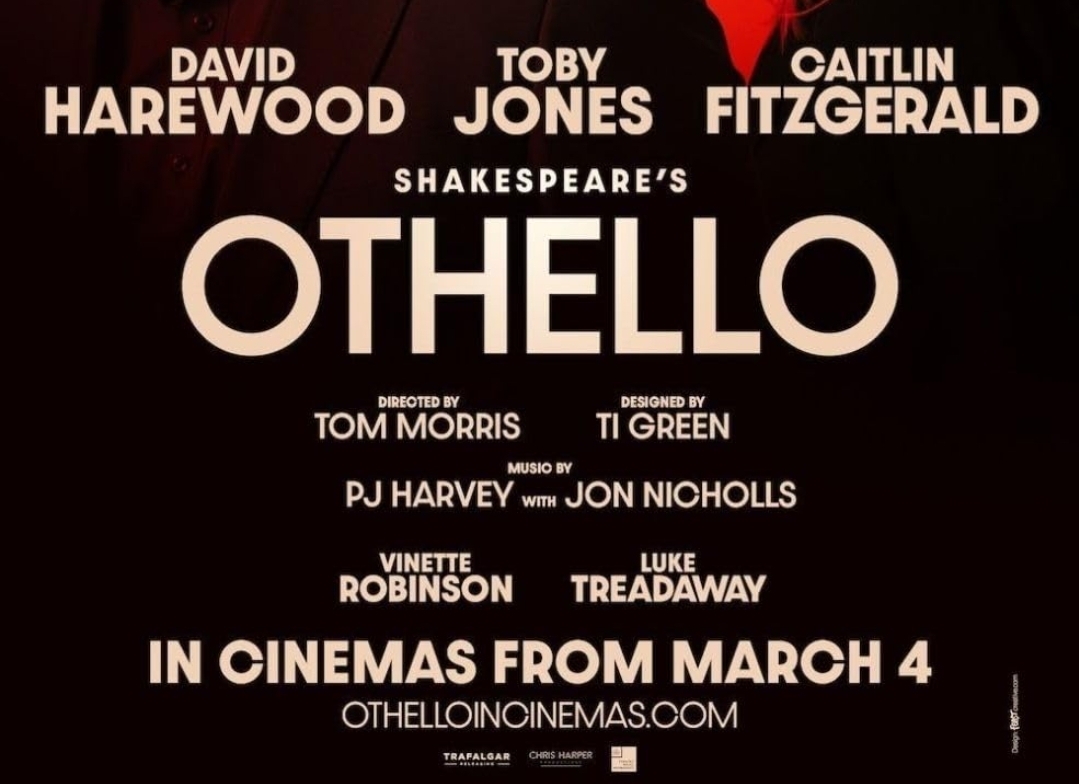
Othello (2026) Parents Guide: Is It Kid-Friendly?
No, Othello (2026) is not suitable for children under 13 due to intense emotional themes, domestic violence, jealousy-driven manipulation, and mature relationship conflict that may be distressing for younger viewers.
Quick-Scan Safety Card
| Category | Rating | Details |
|---|---|---|
| MPA Rating | PG-13 | Rated PG-13 for thematic violence, disturbing content, and language |
| Target Age | 14+ | Best suited for mature teens who can process tragic themes |
| Violence | Medium-High | Domestic |
| Sex/Nudity | Low-Medium | Implied |
| Language | Medium | Mild profanity |
| Positive Role Models | 3/5 | Integrity |
What is Othello (2026) About? (No Spoilers)
This 2026 adaptation of Othello reimagines William Shakespeare’s tragedy in a contemporary military setting, focusing on love, trust, insecurity, and betrayal. At its core, the story follows a highly respected commander whose deep love for his wife becomes overshadowed by manipulation from a trusted subordinate.
The film explores emotional abuse, jealousy, gaslighting, racial prejudice, and marital conflict. Parents should be aware of intense relationship dynamics, including false accusations of infidelity and escalating paranoia. Emotional triggers include domestic violence, betrayal by a close friend, psychological manipulation, and tragic loss.
Unlike action-driven dramas, the tension here is psychological. The distress comes from watching trust unravel. Sensitive viewers may find the emotional escalation unsettling, especially the themes of intimate partner harm.
Why is Othello (2026) Rated PG-13?
The MPA has rated Othello (2026) PG-13 for thematic violence, disturbing emotional content, and some strong language.
From a modern parenting perspective, this rating feels accurate but slightly conservative. While there is no graphic gore, the domestic violence context and emotional intensity elevate the maturity level. The film deals directly with spousal suspicion and manipulation in ways that require emotional literacy to understand.
There is no explicit sexual content or extreme profanity, but the psychological tension makes this heavier than a typical PG-13 drama.
In short: the rating reflects content volume, but the emotional weight pushes it closer to a mature PG-13 experience.
Detailed Content Breakdown
Violence & Gore
Violence in Othello (2026) is character-driven and intimate rather than action-heavy.
- Characters engage in hand-to-hand altercations, including a brief but intense fight between soldiers.
- A scene involving a knife is emotionally charged, though not graphically bloody.
- The most distressing moment centers on domestic violence between spouses, portrayed with realism but without prolonged gore.
- Some visible blood appears in the final act, though it is not excessive.
There are no torture scenes or battlefield carnage. The danger lies in emotional escalation and intimate harm rather than spectacle.
For sensitive teens, the realism of the domestic conflict may be more disturbing than physical violence itself.
Profanity & Language
Language is moderate for a PG-13 film.
- Approximately 3–4 uses of strong profanity, including the F-word.
- Several uses of “damn,” “hell,” and “bastard.”
- Occasional derogatory remarks tied to jealousy and suspicion.
- A few racially charged comments reflecting the story’s themes of prejudice.
The language serves character development and tension but may require parental guidance for younger teens.
Sexual Content & Nudity
Sexual content is limited and largely implied.
- A married couple shares brief kissing scenes.
- Dialogue references infidelity accusations, though no explicit sexual activity is shown.
- One implied bedroom scene fades to black without nudity.
- Mild suggestive dialogue tied to rumors and manipulation.
The focus is on jealousy and suspicion, not sexuality itself. Most content will go over the heads of younger viewers, but the context is mature.
Substance Use
Substance use is present but not glamorized.
- Characters are shown drinking alcohol at social gatherings.
- One scene depicts a character drinking excessively, contributing to conflict.
- No drug use is shown.
- Background smoking appears briefly.
Alcohol plays a minor role in escalating tension between characters.
Age-by-Age Viewing Guide
Toddlers & Preschoolers (0–5): Not Appropriate
This film is entirely unsuitable for this age group. The emotional intensity, adult relationships, and violent conflict would be confusing and potentially frightening.
There is no child-centered storyline or redeeming educational value for preschoolers.
Elementary School (6–10): Strongly Discouraged
Children in this age range may be disturbed by:
- The escalating marital conflict.
- The knife-related violence.
- The tragic tone.
At this developmental stage, kids are still forming ideas about relationships and trust. The portrayal of jealousy-driven violence lacks the emotional scaffolding younger viewers need to process it safely.
If you’re looking for Shakespeare adaptations more appropriate for kids, consider lighter interpretations or animated versions. You can also explore [Link to: Best Family Movies of 2026].
Tweens & Teens (11–15): With Caution (14+ Recommended)
Mature teens may benefit from watching Othello (2026) with discussion.
Why 14+?
- Teens can understand manipulation, toxic friendships, and insecurity.
- The themes mirror real-world issues like rumor-spreading and social sabotage.
- It opens conversations about healthy relationships and emotional regulation.
However, younger tweens (11–12) may struggle with the tragic ending and domestic violence implications.
For high schoolers studying Shakespeare, this adaptation provides strong educational value especially when paired with guided conversation.
Positive Messages & Educational Value
Despite its tragic tone, Othello (2026) offers meaningful lessons:
- The danger of unchecked jealousy.
- The impact of manipulation and misinformation.
- The importance of communication in relationships.
- Consequences of acting without evidence.
- The destructive power of prejudice.
For teens studying literature, the film reinforces classic Shakespearean themes in a modern, accessible way. It encourages critical thinking about emotional intelligence and accountability.
Used thoughtfully, it can be a springboard for discussing mental health, trust, and self-awareness.
5 Discussion Questions for Families
- Why do you think Othello believed rumors without confirming them?
- How does jealousy change the way people interpret events?
- What could the characters have done differently to prevent tragedy?
- How can we tell when someone is manipulating us?
- What does the film say about trust in relationships?
These questions help teens move beyond plot and into emotional reflection.
Common Questions About Othello (2026)
Is Othello (2026) too scary for 12-year-olds?
For most 12-year-olds, yes. The emotional intensity and domestic violence themes are likely too mature without parental guidance and post-viewing discussion.
Does the movie have a post-credits scene?
No. Othello (2026) does not include a post-credits scene. The story concludes definitively at the end of the film.
Are there any strobe light warnings in Othello (2026)?
There are brief flashing lights during military scenes and nightclub sequences, but no extended strobe effects that would typically require seizure warnings.
Final Verdict for Parents
Othello (2026) is a powerful, emotionally complex adaptation best suited for older teens and adults. While it avoids graphic gore and explicit sexual content, the psychological intensity and domestic violence themes make it inappropriate for children and younger tweens.
If your teen is studying Shakespeare or enjoys serious dramas, this film can be valuable with active parental guidance.
For families seeking lighter fare, consider browsing our recommendations here: Best Family Movies of 2026
When deciding whether it’s safe for kids, consider not just the rating but your child’s emotional maturity, sensitivity to relationship conflict, and ability to process tragic endings.

Stephanie Heitman is a seasoned journalist and author dedicated to helping parents navigate the world of Hollywood entertainment through thoughtful, family-oriented film reviews. With over a decade of experience in writing and a passion for fostering safe, enriching viewing experiences, Stephanie launched Parentguiding.com to provide parents with the insights they need to make informed choices for their families.