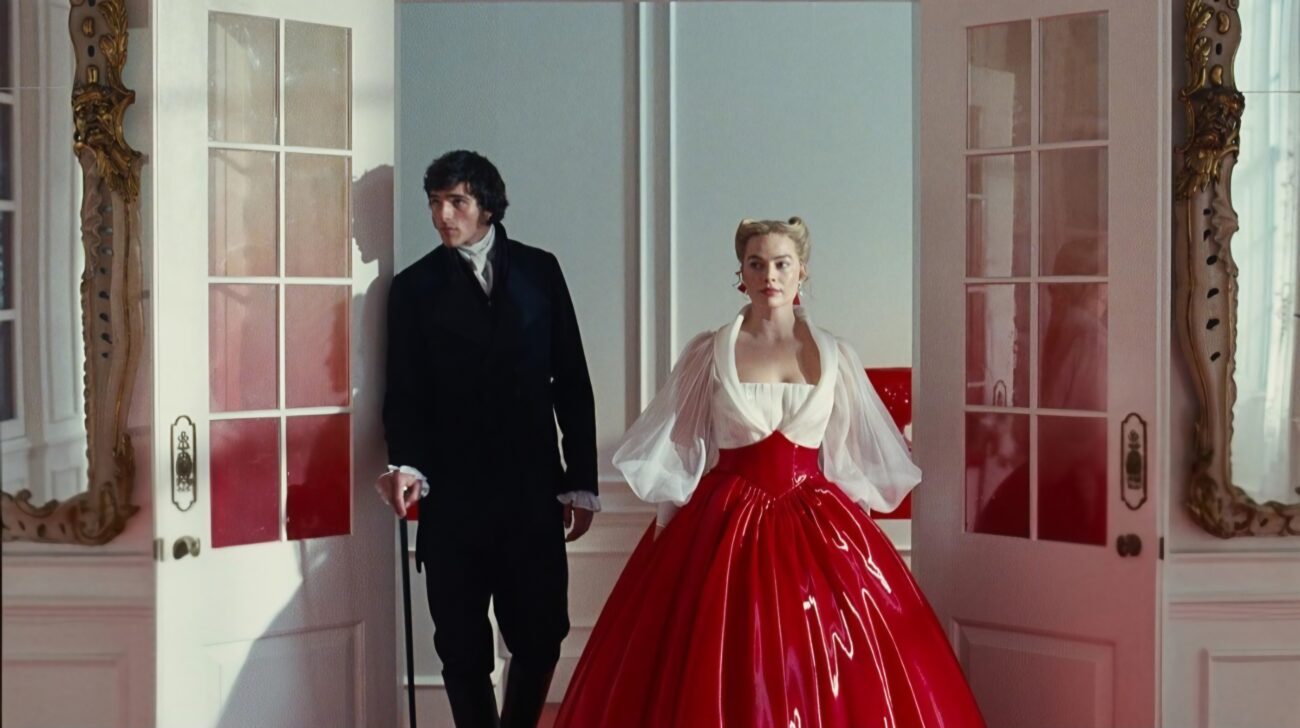
Wuthering Heights (2026) Parents Guide: Is It Kid-Friendly?
With Caution. While the 2026 adaptation of Emily Brontë’s classic is a cinematic masterpiece, it is fundamentally a story of toxic obsession, generational trauma, and cruelty. Due to its intense psychological weight and depictions of domestic abuse, it is best suited for mature teens and adults rather than younger children.
Quick-Scan Safety Card
|
Category |
Rating Advertisements
|
Details |
|---|---|---|
|
MPA Rating |
R |
Restricted for violence, sexual content, and pervasive dark themes. |
|
Target Age |
16+ |
Requires high emotional maturity to process toxic dynamics. |
|
Violence |
Medium |
Brutal, realistic depictions of 19th-century physical altercations. |
|
Sex/Nudity |
High |
Explicit intimacy and suggestive themes consistent with “Fennell-style” realism. Advertisements
|
|
Language |
Medium |
Period-accurate insults and modern profanity used for impact. |
|
Positive Role Models |
1/5 |
Characters are intentionally flawed, vengeful, and destructive. |
What is Wuthering Heights (2026) About?
Directed by Emerald Fennell and starring Margot Robbie and Jacob Elordi, this adaptation strips away the “period piece” politeness to reveal the raw, jagged edges of the original text. The story follows the intense, lifelong bond between Catherine Earnshaw and the foundling Heathcliff.
However, parents should be aware that this is not a traditional “romance.” It is a study in obsessive love and class-based revenge. Key emotional triggers include childhood neglect, the death of a parent, systemic bullying, and the psychological manipulation of family members. The film leans heavily into the “gothic” elements, making the Yorkshire moors feel like a character that traps the protagonists in their own misery.
Why is Wuthering Heights (2026) Rated R?
The MPA has assigned an R rating primarily for “strong sexual content, nudity, and violence.” Unlike previous PG-13 adaptations, this version seeks to capture the feral nature of Brontë’s characters.
As a child development expert, I support this rating. The film doesn’t just show “bad behavior”; it immerses the viewer in a claustrophobic environment of emotional abuse. While a 13-year-old might understand the plot, they may lack the developmental framework to navigate the film’s glorification of self-destructive behavior and vengeance.
Detailed Content Breakdown
Violence & Gore
The violence in this film is more visceral than stylized. Characters engage in hand-to-hand combat with visible bruising and blood. A specific scene involving a horse-riding accident is visually jarring. Furthermore, the physical abuse of animals (often implied or off-screen, but emotionally resonant) and the corporal punishment of children in the early acts provide a grim tone.
Profanity & Language
While the film maintains a level of 19th-century formality, it utilizes modern profanity (including 5+ uses of the F-word) to emphasize moments of peak emotional distress. You will also hear period-specific slurs regarding social class and Heathcliff’s “outsider” status, which serve as a commentary on the racism and xenophobia of the era.
Sexual Content & Nudity
This is where the 2026 version deviates most from past iterations. There are prolonged scenes of sexual intimacy that feature partial and full-frontal nudity. The encounters are portrayed as desperate and frantic, rather than romantic, which may be confusing or disturbing for younger viewers.
Substance Use
Characters are frequently seen consuming laudanum and heavy amounts of alcohol (whiskey and wine) to cope with their depression. The consumption is often framed as a detrimental escape rather than casual use.
Age-by-Age Viewing Guide
Toddlers & Preschoolers (0-5)
Verdict: Not Recommended.
The dark color palette, booming score, and shouting will be frightening. There is zero educational value for this demographic.
Elementary (6-10)
Verdict: Not Recommended.
The “scare factor” here isn’t monsters; it’s human cruelty. Children in this age group are developing their sense of justice and may find the lack of “good guys” deeply upsetting.
Tweens & Teens (11-15)
Verdict: With Heavy Supervision.
Some older teens (14+) may be drawn to the “aesthetic” and the lead actors. However, the social influence of the toxic relationship between Cathy and Heathcliff requires a post-movie debrief to ensure they don’t mistake obsession for “goals.”
Positive Messages & Educational Value
Despite its darkness, the film is a masterclass in literary adaptation. It provides an excellent jumping-off point for discussing:
- Social Class: How systemic exclusion creates “villains.”
- Literary History: Comparing the “Gothic” genre to modern thrillers.
- Empathy: Analyzing how trauma is passed down through generations.
5 Discussion Questions for Families
- Why does Heathcliff feel that revenge is his only option?
- In what ways do Catherine and Heathcliff hurt the people they claim to love?
- How does the setting of the “Moors” reflect the characters’ internal feelings?
- Do you think the movie portrays a “healthy” version of love? Why or why not?
- How would this story change if the characters had access to modern mental health support?
Common Questions About Wuthering Heights (2026)
Is Wuthering Heights (2026) too scary for a 10-year-old?
Yes. Beyond the “R” rated content, the psychological intensity and themes of death and entrapment are likely to cause bad dreams or confusion for a 10-year-old.
Does the movie have a post-credits scene?
No. The film ends on a definitive, somber note. There is no additional footage after the credits begin to roll.
Are there any strobe light warnings in Wuthering Heights (2026)?
Yes. During the hallucination sequences and certain storm scenes, there are rapid flickers of light that may affect viewers with photosensitive epilepsy.

Stephanie Heitman is a seasoned journalist and author dedicated to helping parents navigate the world of Hollywood entertainment through thoughtful, family-oriented film reviews. With over a decade of experience in writing and a passion for fostering safe, enriching viewing experiences, Stephanie launched Parentguiding.com to provide parents with the insights they need to make informed choices for their families.