We Bury the Dead is Rated R by Motion Picture Rating (MPA) for strong violent content, gore, language and brief drug use.
The world of We Bury the Dead begins after catastrophe, not with a jolt of genre theatrics but with the dull, suffocating aftermath. An experimental American EMP weapon misfires near Tasmania, killing more than half a million people in an instant. The victims don’t rise in any traditional zombie-movie sense their brains are simply burned out, leaving bodies behind that must be collected, cataloged, and removed. Civilization hasn’t collapsed so much as stalled, stunned by the scale of what it’s done. Into this bleak cleanup operation steps Ava, and it’s through her quiet, aching purpose that Zak Hilditch’s film reveals what it’s really about.
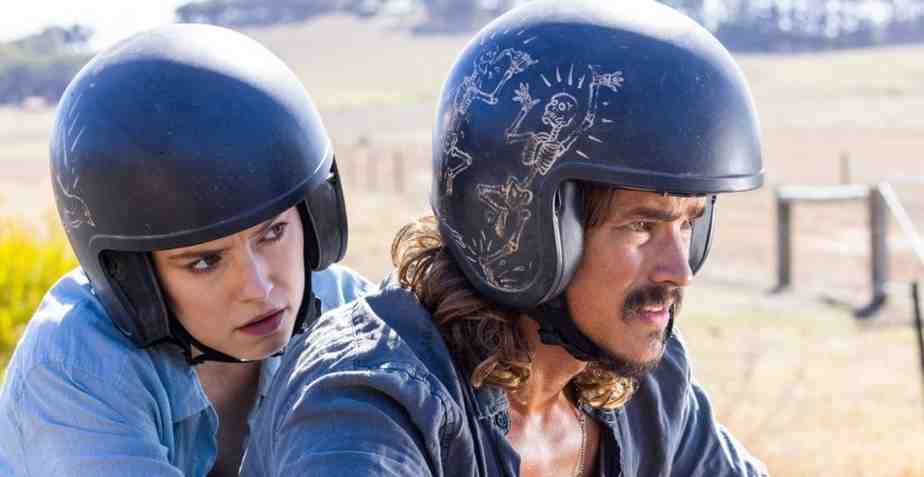
Ava, played with restrained intensity by Daisy Ridley, volunteers for a government-organized Body Retrieval Unit. Officially, she’s there to help clear houses and towns of the dead. Unofficially and this is the emotional engine of the film she’s searching for her husband, Mitch, who happened to be in Tasmania on business when the weapon detonated. The work is gruesome and methodical: entering abandoned homes, lifting decomposing bodies, confronting death in its most unceremonious state. Alongside her is Clay (Brenton Thwaites), another volunteer who slowly becomes less of a coworker and more of a companion, the two bonding almost by necessity as they move room to room, corpse to corpse. You can feel how trauma accelerates intimacy here not romance, exactly, but shared endurance.
Highly Recommended: Five Nights at Freddy’s 2 Parents Guide
The marketing may sell We Bury the Dead as a zombie film, and technically there are figures that fit the description. Some victims retain flickers of brain activity, not quite alive, not entirely gone. They linger in the shadows, announced by the unsettling sound of grinding teeth, and they are dangerous. But Hilditch isn’t interested in satisfying the familiar appetites of the undead genre. There’s no steady escalation of gore, no promise of carnage as catharsis. If you come in expecting relentless horror, the film will likely frustrate you. If you let go of that expectation, it becomes clear this is something more contemplative an exploration of what people carry when the world has already ended.
Ava herself is a physical therapist, a detail that quietly resonates as the film unfolds. She’s someone trained to restore movement, to help bodies heal and recover, now navigating a landscape defined by irreversible damage. Her relationship with Mitch is revealed gradually, through fragments of memory and intimate moments that surface almost involuntarily as she pushes farther south, beyond restricted zones, toward where she believes he might be. Hilditch structures their marriage like a mystery, not in a plot-driven way but emotionally you’re piecing together who these two were, what was left unsaid, and what Ava fears she may never get the chance to resolve.
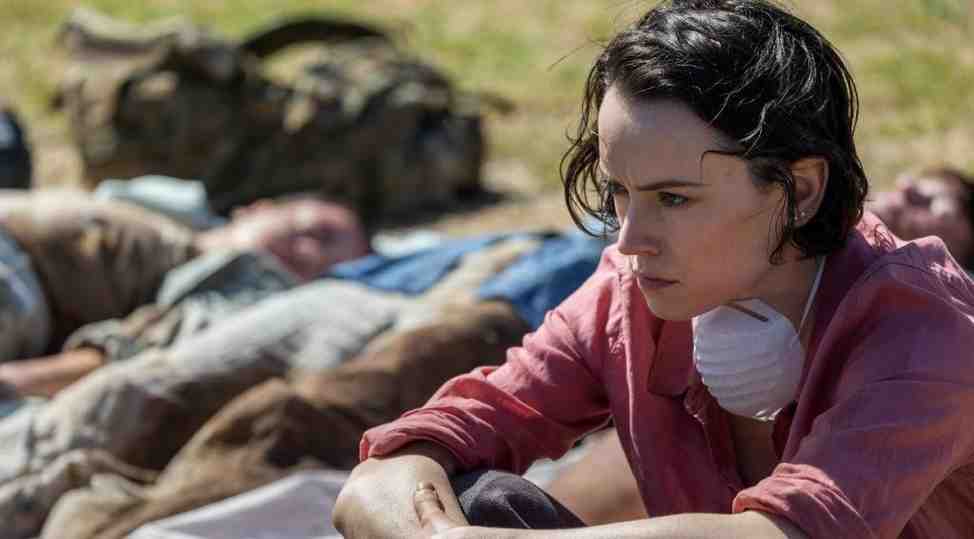
Rumors circulate among the volunteers and soldiers: neural failure might not be permanent. Some people, they say, have come back. It’s a fragile hope, but it’s enough. You can see how Ava clings to it, how the possibility however remote keeps her moving when logic would tell her to stop. The film’s pacing reflects this tension, moving steadily but never rushing, allowing time for the grotesque realities of the cleanup work and the quieter moments where grief seeps in. The bodies themselves are horrifying in their own way, not because they attack, but because they are reminders of lives interrupted mid-sentence.
Highly Recommended: Kill Bill: The Whole Bloody Affair Parents Guide
True menace arrives not through the undead but through the living. A soldier named Riley (Mark Coles Smith) forces Ava into a disturbing role-playing scenario, a sequence that’s less about physical danger than psychological exposure. It’s here that the film confronts something harder to look at: how unimaginable loss fractures the mind, how madness can rush in to fill the emotional vacuum left behind. The scene is uncomfortable, intentionally so, and it reframes the disaster not as a singular event but as an ongoing wound infecting everyone it touched.
As Ava and Clay push deeper into restricted territory, the film resists turning their journey into an action-driven survival tale. There are suspenseful moments, and occasional encounters that flirt with zombie-movie tension, but Hilditch keeps returning to Ava’s internal landscape. Her thoughts of Mitch what she owes him, what she regrets, what she might never say become the real stakes. Guilt hangs heavy over the story, the kind that comes from unfinished business rather than wrongdoing. It’s hard not to recognize that feeling, the way unresolved relationships linger long after people are gone.
We Bury the Dead ultimately unfolds as a quiet, reflective odyssey rather than a horror spectacle. Its creepiness is real, its dangers tangible, but its deepest power lies in watching Ava carry the weight of loss while refusing, almost stubbornly, to surrender her need for answers. Daisy Ridley’s performance is especially affecting in these subdued moments, where hope thins but never fully disappears. This isn’t a film that lunges at you it sits with you, asking you to consider what remains when the world has already taken everything it can.
Detailed Content Breakdown for Parents
Violence & Intensity: Violence in We Bury the Dead is less about action and more about exposure. The film repeatedly places viewers in close proximity to death, with volunteers entering abandoned homes and encountering decomposing bodies in various states of decay. There are moments of physical danger involving people who are not fully dead and may lash out, but these scenes are relatively brief and restrained compared to traditional zombie films. What lingers longer is the psychological intensity threatening situations, emotional breakdowns, and the constant sense that the environment itself is hostile. The violence isn’t stylized or exciting; it’s meant to feel exhausting and grim, which may be more unsettling for some viewers.
Highly Recommended: Rosemead (2025) Parents Guide
Language: Strong language is used throughout the film, reflecting the stress and despair of characters living in the aftermath of mass death. Profanity, including repeated use of the F-word, appears in both casual dialogue and heated moments. The language never feels playful or comedic; instead, it underscores how raw and frayed everyone’s nerves have become. While there are no notable slurs, the overall tone is adult and emotionally charged, making it inappropriate for younger audiences.
Sexual Content / Nudity: There is no explicit sexual content or nudity in We Bury the Dead. However, the story includes references to marriage, intimacy, and emotional closeness, primarily through memories and conversations connected to Ava’s missing husband. These moments are quiet and reflective rather than graphic, serving to deepen the emotional stakes rather than provoke or shock. Romantic content is minimal and handled with sensitivity.
Drugs, Alcohol & Smoking: The film includes brief instances of drug use and alcohol consumption, typically framed as coping mechanisms rather than recreational behavior. These moments occur during emotionally vulnerable scenes and are clearly tied to characters struggling with trauma and despair. Substance use is not glamorized or encouraged, but parents should be aware that it appears on screen, albeit briefly.
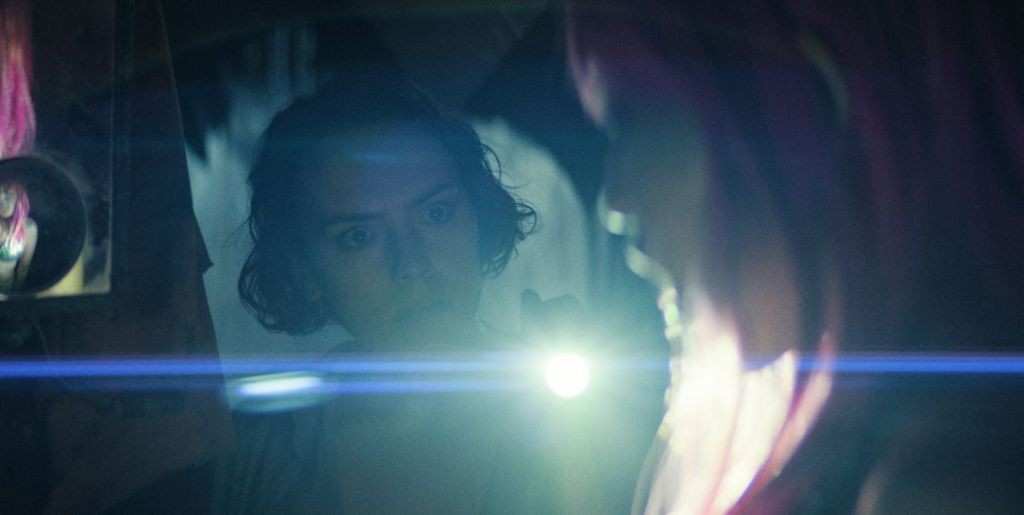
Scary or Disturbing Scenes: This is one of the film’s most challenging areas for sensitive viewers. The persistent presence of dead bodies, unsettling sounds, and abandoned environments creates an atmosphere of constant unease. One particularly disturbing sequence involves psychological manipulation and role-playing enforced by a soldier, which can be more upsetting than outright violence. The horror here is slow-burning and existential, focusing on grief, madness, and the emotional toll of catastrophe rather than jump scares.
Recommended Age Range: Best for: Adults and mature teens 17+. Not recommended for: Younger teens or sensitive viewers, even those familiar with horror.
Release date: January 2, 2026 (United States)
Stephanie Heitman is a seasoned journalist and author dedicated to helping parents navigate the world of Hollywood entertainment through thoughtful, family-oriented film reviews. With over a decade of experience in writing and a passion for fostering safe, enriching viewing experiences, Stephanie launched Parentguiding.com to provide parents with the insights they need to make informed choices for their families.