In today’s connected world, screens are everywhere. From tablets and smartphones to gaming consoles and smart TVs, children are growing up surrounded by digital devices. At the same time, research and real-life experience continue to show the powerful benefits of outdoor play, nature exposure, and unplugged family time.
This has led many parents to ask an important question:
How do we balance screen time and green time for kids?
This parental guide explores the impact of digital media, outdoor play, and age-appropriate exposure to violence, language, and online safety. Whether you’re parenting a preschooler or a teenager, this comprehensive review will help you create healthy boundaries while supporting your child’s development.
What Is Screen Time?
Screen time includes any time spent using digital devices such as:
Smartphones
Tablets
Television
Video games
Computers
Streaming platforms
Social media
Not all screen time is harmful. Educational programs, video chats with relatives, and creative apps can support learning and connection. The problem arises when screen use becomes excessive, unmonitored, or replaces important real-world experiences.
What Is Green Time?
Green time refers to time spent outdoors in nature. This includes:
Playing at the park
Riding bikes
Hiking
Gardening
Sports
Exploring local trails
Backyard free play
Green time is linked to better physical health, improved mood, stronger attention spans, and reduced stress in children.
When families balance screen time and green time, children gain the benefits of both worlds.
Why Balance Matters for Child Development
Children’s brains are still developing. Habits formed early often last into adulthood. Too much screen exposure can affect:
Sleep patterns
Attention span
Social skills
Emotional regulation
Physical health
Meanwhile, outdoor activity supports:
Strong muscles and bones
Creativity and imagination
Problem-solving skills
Social interaction
Mental well-being
The goal is not to eliminate screens but to create healthy screen habits while prioritizing real-life experiences.
Age Rating Guide: Violence, Language, and Safety
When evaluating digital content, parents should consider three major categories: violence, language, and online safety.
1. Violence in Media
Many shows, games, and videos include violent scenes. Even content marketed to children may contain:
Cartoon fighting
Weapon use
Aggressive behavior
Intense action scenes
Preschool Ages 2 -5
Avoid violent content entirely.
Choose slow-paced, educational programming.
Co-view and discuss what they see.
Young children often struggle to separate fantasy from reality. Even cartoon violence can cause fear or aggressive imitation.
Elementary Ages 6 -10
Monitor action-heavy shows and games.
Check ratings before allowing gameplay.
Discuss the difference between pretend and real-life consequences.
At this stage, children begin to understand storytelling but may still be influenced by repeated exposure.
Tweens and Teens Ages 11-17
Review game ratings E, T, M
Talk openly about realistic consequences of violence.
Encourage critical thinking about media messages.
Teens are more capable of understanding context, but repeated exposure to violent media can still affect behavior and desensitize empathy.
2. Language Exposure
Digital platforms expose children to language that may include:
Profanity
Slang
Inappropriate jokes
Sexual references
Why Language Matters
Children absorb words quickly. Repeated exposure increases the likelihood they will repeat what they hear, often without understanding meaning.
How to Manage It
Use parental controls on streaming services.
Preview shows before younger children watch them.
Set clear family expectations about respectful communication.
Explain why certain language is not appropriate.
For older children, discussions are more effective than strict bans. Teaching them why certain language can hurt others builds emotional intelligence.
3. Online Safety and Digital Risks
Safety is one of the biggest concerns in today’s digital world. Risks include:
Cyberbullying
Online predators
Inappropriate content
Data privacy issues
Social media pressure
Basic Online Safety Rules for Kids
1. Never share personal information.
2. Keep accounts private.
3. Do not chat with strangers.
4. Tell a trusted adult if something feels uncomfortable.
5. Avoid posting location details.
Parental controls are helpful, but open communication is essential. Children are more likely to report problems if they know they won’t immediately lose device privileges.
The Benefits of Green Time for Kids
While screens can offer learning opportunities, outdoor play delivers unmatched benefits.
1. Physical Health
Outdoor play reduces the risk of:
Childhood obesity
Poor posture
Eye strain
Sleep problems
Natural sunlight also supports vitamin D production, which strengthens bones and immune systems.
2. Mental Health
Studies consistently show that time in nature:
Lowers stress
Reduces anxiety
Improves mood
Enhances focus
Children who spend regular time outdoors often display better emotional regulation.
3. Social Skills
Playing outside encourages:
Teamwork
Conflict resolution
Communication
Leadership
Unlike structured digital games, outdoor play requires negotiation and cooperation.
Signs Your Child May Need Less Screen Time
Every child is different, but common warning signs include:
Irritability when devices are removed
Sleep disturbances
Loss of interest in hobbies
Declining grades
Reduced physical activity
Secretive online behavior
If you notice these signs, it may be time to reassess screen limits.
How Much Screen Time Is Appropriate?
While recommendations vary, general guidelines include:
Ages 2-5: One hour per day of high-quality programming
Ages 6 12: Consistent limits with balanced activities
Teens: Monitored independence with screen-free zones
More important than exact hours is content quality and balance.
Practical Strategies to Balance Screen Time and Green Time
Creating balance requires planning and consistency.
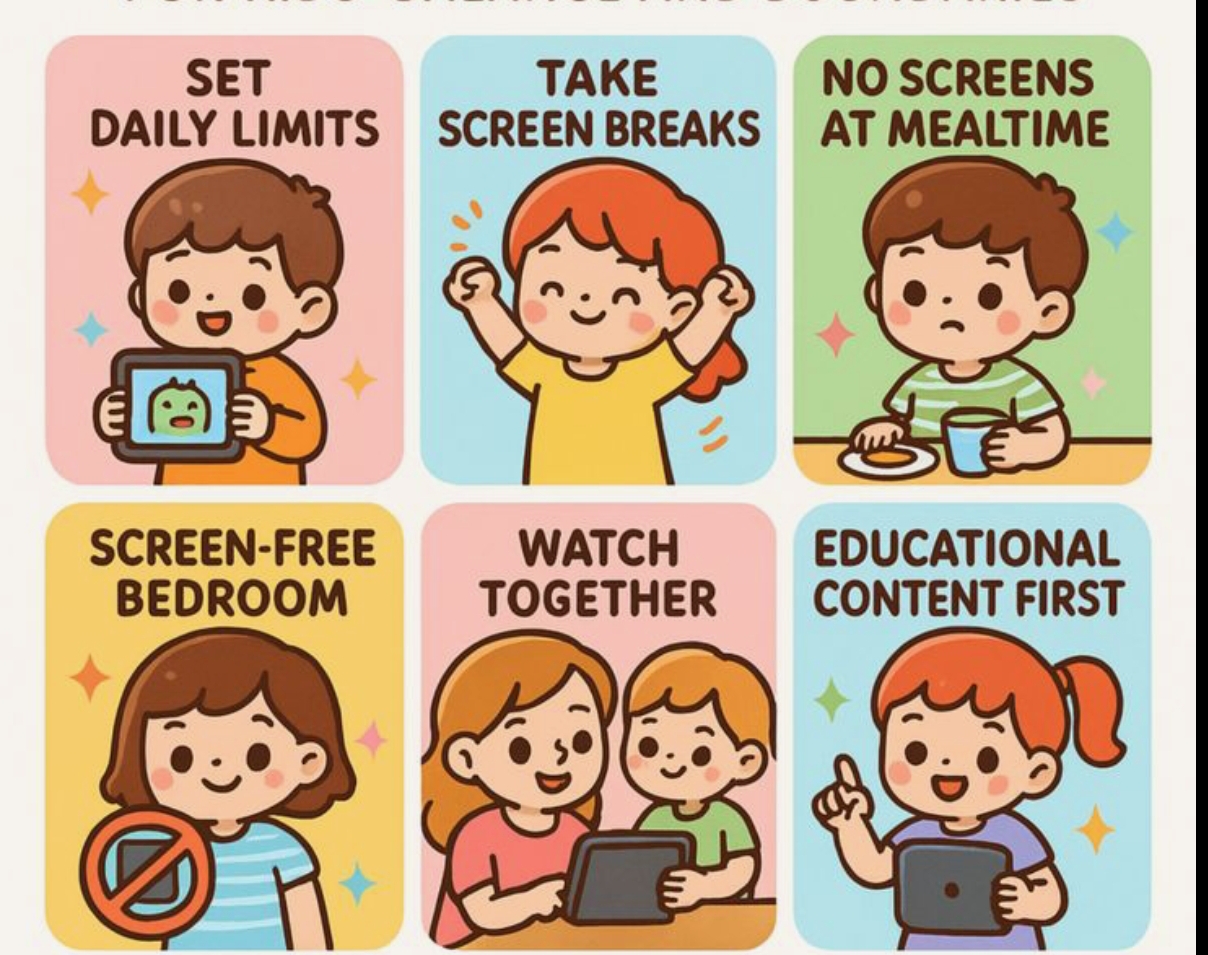
1. Create Screen-Free Zones
Designate areas in your home where screens are not allowed, such as:
Bedrooms
Dining table
Family gatherings
This encourages real conversation and better sleep habits.
2. Establish Outdoor Rituals
Make green time part of your weekly routine:
Family walks after dinner
Saturday park visits
Weekend hikes
Evening bike rides
When outdoor time becomes a tradition, it feels less like a rule and more like family culture.
3. Model Healthy Habits
Children copy what they see. If parents are constantly on their phones, kids will follow. Demonstrate balance by:
Putting your phone away during conversations
Prioritizing outdoor activities
Taking digital breaks
4. Use the “Earned Screen Time” Approach
Some families connect screen privileges to:
Completed homework
Outdoor play
Chores
Reading time
This reinforces responsibility while maintaining balance.
Encouraging Outdoor Activities Kids Actually Enjoy
Some children resist green time simply because they haven’t found an activity they love.
Try offering choices such as:
Skateboarding
Nature photography
Gardening
Soccer
Roller skating
Treasure hunts
Camping trips
When children feel ownership over their activities, participation increases.
Mental Health and Screen Balance
Excessive screen time has been linked to:
Increased anxiety
Social comparison
Sleep disruption
Reduced face-to-face interaction
Social media, in particular, can create unrealistic expectations about appearance and lifestyle.
Encourage conversations about:
Online image editing
Peer pressure
Digital kindness
Real vs. curated life
Helping kids understand how digital content is crafted builds resilience.
Building a Family Media Plan
A written plan makes expectations clear. Include:
Daily screen limits
Approved apps and games
Screen-free hours
Outdoor goals
Consequences for misuse
Revisit the plan as children grow. What works for a 7-year-old will not work for a 15-year-old.
Final Thoughts: Finding the Right Balance
The debate between screen time vs. green time is not about choosing one over the other. Technology is part of modern life, and children need digital skills to succeed. At the same time, nature, physical movement, and real-world interaction remain essential for healthy development.
The key is mindful parenting:
Monitor violence and language exposure.
Teach strong online safety habits.
Prioritize outdoor play.
Keep communication open.
When families create intentional boundaries, children learn to enjoy technology without becoming dependent on it.
Balance is not about perfection. It’s about awareness, consistency, and leading by example.

I am a journalist with 10+ years of experience, specializing in family-friendly film reviews.