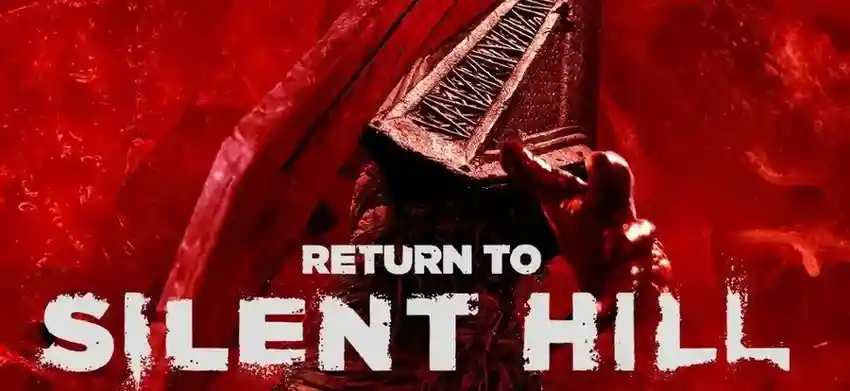
Return to Silent Hill is Rated R by Motion Picture Rating (MPA) for bloody violent content, language and brief drug use.
There are certain video games that don’t just define a genre, they haunt it. Silent Hill 2 is one of those rare works an unquestioned pillar of horror gaming, the kind of title that belongs on the Mount Rushmore alongside the medium’s most transformative experiences. The Silent Hill film series has always struggled to bottle that particular dread, though Christophe Gans’ 2006 adaptation of the first game at least managed to echo the suffocating mood and bleak atmosphere. It wasn’t perfect, but you could feel the effort, the reverence. And since Silent Hill 2 is the installment where the series’ narrative ambitions truly crystallized where psychological complexity eclipsed simple survival mechanics an adaptation always felt not just likely, but artistically promising. Which makes the failure of Return to Silent Hill sting all the more. This isn’t merely a disappointment; it’s a collapse. A film that not only fails to capture what made the game special, but actively diminishes it.
It’s difficult to overstate just how badly this film misses the mark. Return to Silent Hill is, so far, the worst movie of the year and it’s not hard to imagine it clinging to that grim distinction well into 2026. What makes that verdict more painful is the lingering sense of what could have been.
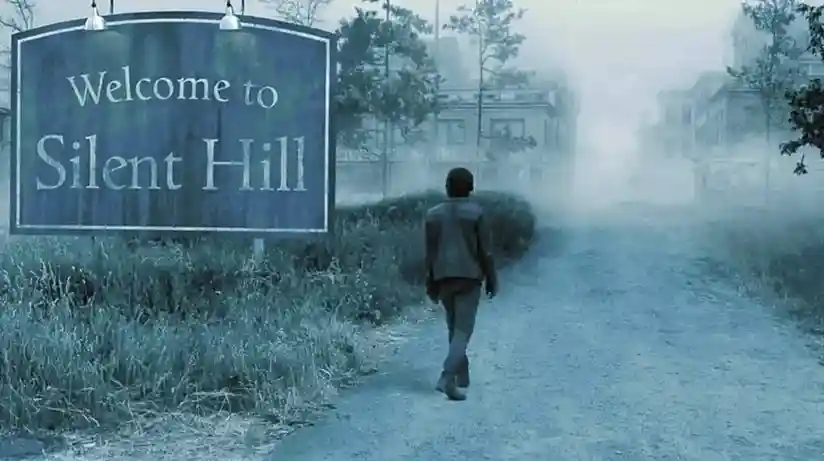
The tragedy of Silent Hill 2 is that its brilliance lies primarily in story and character rather than mechanics; it was one of the first major games to prove that narrative could be the driving force, not just window dressing around combat. In theory, that should make adaptation easier. Instead, the film only highlights how shallow its own storytelling is by comparison.
Highly Recommended: All You Need Is Kill (2025) Parents Guide
The setup follows the broad outline fans will recognize, though even here the execution feels off-key. We’re introduced awkwardly to James Sunderland (Jeremy Irvine) and Mary Crane (Hannah Emily Anderson) in a strangely staged roadside encounter near Silent Hill. Years later, Mary is dead, and James is a broken man, drowning his grief in alcohol and inertia. After another night of self-destruction, he returns home to discover a letter supposedly from Mary, asking him to meet her in Silent Hill. He goes, of course. The town greets him as it always does: abandoned streets swallowed by fog, silence thick enough to suffocate, and grotesque creatures lurking just beyond visibility.
James pushes forward, bewildered and terrified, encountering familiar figures along the way: Angela (Eve Macklin), Eddie Dombrowski (Pearse Egan), Laura (Evie Templeton), and the looming nightmare presence of Pyramid Head. As he moves deeper into the town’s decaying arteries, the world grows more infernal, while his conviction that he’s nearing Mary only strengthens. On paper, this should be devastating. On screen, it rarely lands.
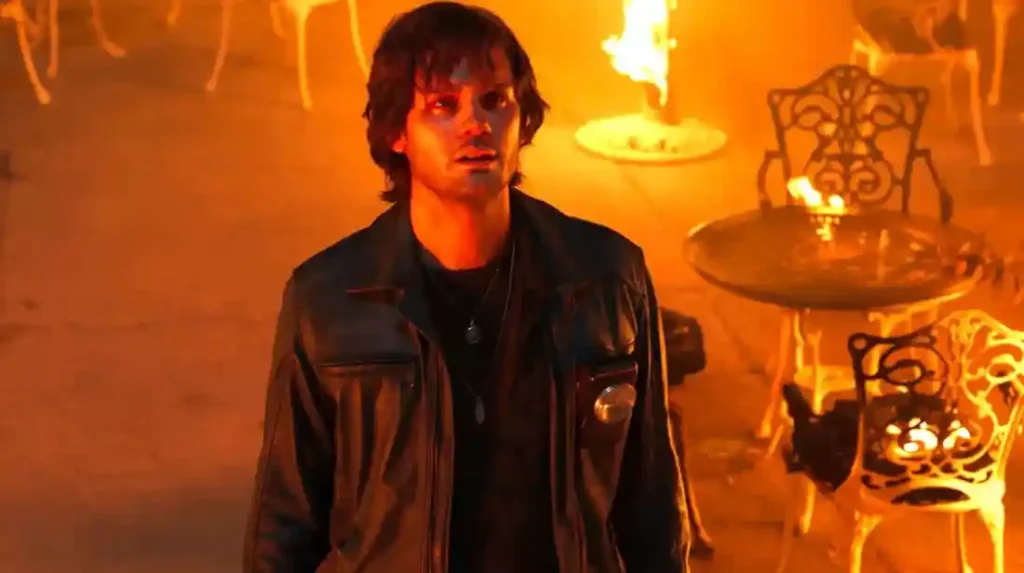
A large part of the problem is performance. Jeremy Irvine, an actor who has proven capable elsewhere, gives a performance here that’s gratingly overstated. Instead of drawing us into James’ fractured psyche, he keeps pushing at it, signaling emotion rather than embodying it. You never quite believe him, never forget you’re watching someone act. The tragedy is that James Sunderland is one of the most psychologically rich protagonists in gaming history. In this film, he’s flattened into someone bland and inexplicably foolish. The rest of the cast fares little better. Angela, Eddie, Laura characters who in the game feel like wounded souls drifting through shared purgatory register here as underwritten and underutilized. Even with additional supporting players like Emily Carding and Martine Richards, there’s no sense of ensemble, no emotional texture.
Christophe Gans’ involvement makes this all harder to accept. He has become synonymous with the Silent Hill films, and his earlier work Brotherhood of the Wolf, even the first Silent Hill suggested a filmmaker attuned to atmosphere and operatic dread. Having him co-write and direct should have been an advantage. Instead, it becomes a liability. Alongside co-writers William Josef Schneider and Sandra Vo-Anh, Gans seems to misunderstand the very text he’s adapting. Nearly every deviation from the game weakens the story. Key moments are discarded. Emotional beats that once lingered like open wounds are either dulled or ignored. Even the oppressive atmosphere Gans conjured so effectively in 2006 is gone, replaced by a generic griminess that feels less like intentional decay and more like budgetary compromise.
Highly Recommended: The Night Manager Season 2 Parents Guide
The CGI is spotty, the environments lack scale, and while the monsters especially Pyramid Head move with a certain unsettling physicality, that single success can’t carry the weight of the whole film.
What ultimately makes Return to Silent Hill such a bitter experience is the strength of its source material. The contrast is brutal. The film is so ineptly handled that it both obscures what made the game profound and inadvertently proves its superiority at the same time. Fans of the game will feel betrayed. Horror audiences unfamiliar with it will likely just feel confused. There’s no cohesion, no emotional throughline, no artistry holding it together. It’s not just a failed adaptation. It’s a complete cinematic implosion.
Return to Silent Hill (2026) Parents Guide
Violence & Intensity: This is a harsh, often brutal horror film. Violence is frequent and sometimes graphic, with characters being attacked, injured, and killed by disturbing creatures. There’s a heavy atmosphere of dread throughout, and much of the intensity comes not just from what’s shown, but from the emotional hopelessness of the world itself. Even when the blood isn’t extreme, the imagery is often deeply unsettling. For many viewers, the tone alone will be too much.
Language: Strong language appears regularly, including repeated use of the F-word, along with other profanity and angry insults. The dialogue often feels raw and emotionally charged, which fits the bleak mood but makes it unsuitable for younger audiences.
Sexual Content / Nudity: There are no explicit sex scenes. However, the film includes uncomfortable, symbolic imagery with sexual undertones, which is common for the Silent Hill franchise. Any nudity is brief and non-sexual, but still disturbing rather than neutral.
Drugs, Alcohol & Smoking: Alcohol use is visible, especially through the main character, who is portrayed as drinking heavily while struggling emotionally. There are brief references to drug use, and occasional background smoking.
Age Recommendations: This is not a film for children or young teens. It’s best suited for adults 17 and up due to the violent content, disturbing imagery, and heavy emotional themes. Even older teens may find it overwhelming rather than entertaining.
Highly Recommended: Mercy (2026) Parents Guide

Stephanie Heitman is a seasoned journalist and author dedicated to helping parents navigate the world of Hollywood entertainment through thoughtful, family-oriented film reviews. With over a decade of experience in writing and a passion for fostering safe, enriching viewing experiences, Stephanie launched Parentguiding.com to provide parents with the insights they need to make informed choices for their families.