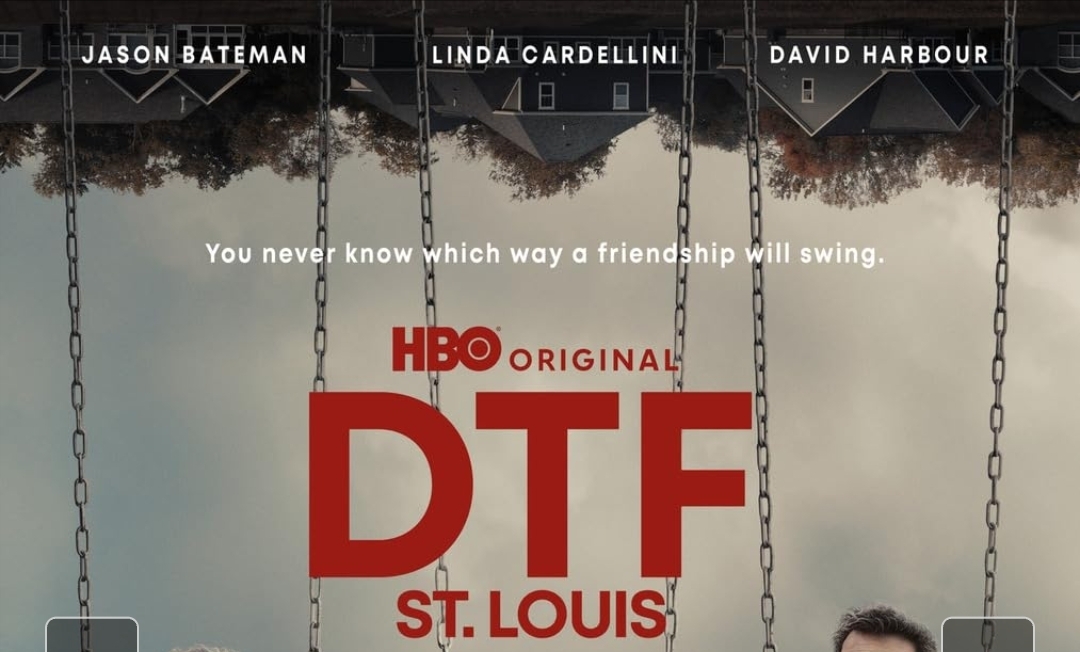
DTF St. Louis (2026) Parents Guide: Is It Kid-Friendly?
No, DTF St. Louis (2026) is not suitable for children due to explicit sexual dialogue, strong language, mature relationship themes, and frequent adult humor that centers on hookup culture and emotional manipulation.
Quick-Scan Safety Card
| Category | Rating | Details |
|---|---|---|
| MPA Rating | R | Rated R for pervasive sexual content, strong language, and some drug use |
| Target Age | 16+ | Better suited for older teens with parental guidance |
| Violence | Low | Verbal conflict |
| Sex/Nudity | High | Explicit dialogue |
| Language | High | Frequent F-word |
| Positive Role Models | 2.5/5 | Emotional growth |
What is DTF St. Louis (2026) About? (No Spoilers)
DTF St. Louis is a relationship-driven dramedy set over one chaotic weekend in downtown St. Louis. The story follows three thirty-something friends navigating dating apps, failed relationships, and the blurry line between connection and convenience. What begins as a lighthearted quest for casual hookups slowly unravels into something more vulnerable.
At its core, this film explores loneliness, fear of commitment, self-worth, and emotional avoidance. Characters wrestle with abandonment issues, ghosting culture, and the aftermath of betrayal. There are references to infidelity, toxic dynamics, casual sex, and emotional manipulation, which may be triggering for viewers sensitive to relationship trauma.
While marketed as a comedy, the emotional tone shifts frequently. Moments of sharp humor give way to uncomfortable realism about modern intimacy.
Parents should note: this is an adult film about adult relationships not a coming-of-age teen romance.
Why is DTF St. Louis (2026) Rated R?
The Motion Picture Association (MPA) rates DTF St. Louis R for:
- Pervasive sexual content and explicit dialogue
- Strong, frequent profanity
- Brief drug use
- Some nudity
From a modern parenting perspective, this rating is justified. The sexual content isn’t graphic in a visual sense, but the dialogue is detailed and constant. Conversations explicitly describe sexual acts, preferences, and experiences.
In 2026 standards, teens are exposed to mature themes through social media and streaming platforms. However, the film’s tone is adult, cynical, and layered with irony that younger viewers may misinterpret as endorsement of risky behavior.
This is not “romantic comedy” in the traditional sense. It’s closer to an R-rated relationship satire.
The Nitty Gritty: Full Content Breakdown
Violence & Gore
There is no physical violence or gore in DTF St. Louis. No fights, weapons, or injuries occur.
However, there is substantial verbal aggression and emotional cruelty. Characters argue intensely, insult each other’s sexual histories, and weaponize personal insecurities. One particularly heated confrontation in a bar includes shouting and humiliation in front of strangers.
For sensitive viewers, the emotional intensity may feel heavier than the lack of physical violence suggests.
Profanity & Language
Language is frequent and strong throughout.
- The F-word is used more than 30 times.
- Repeated uses of “s*t,” “a**hole,” “d**k,” and “b**h.”
- Casual sexual slang appears in nearly every dating-related conversation.
- Frequent crude jokes involving anatomy and sexual performance.
- Occasional religious exclamations (“Oh my God,” “Jesus Christ”).
The profanity isn’t incidental it defines the characters’ communication style. If your family maintains strict language standards, this film will likely feel excessive.
Sexual Content & Nudity
This is the most significant category for parents.
- Multiple scenes depict implied sex, with partial nudity (bare backs, side nudity).
- Characters wake up in bed together; sheets cover explicit areas.
- Extended dialogue explicitly describing sexual acts and fantasies.
- Dating app conversations include graphic innuendo.
- A scene set at a nightclub features suggestive dancing and revealing outfits.
There is no explicit on-screen graphic sexual activity, but the film’s entire premise revolves around casual sex culture.
For teens under 16, this content may normalize risky behavior without fully unpacking consequences.
Substance Use
Substance use appears throughout the film.
- Frequent alcohol consumption in bars and at parties.
- Characters drink to cope with emotional discomfort.
- Brief depiction of recreational marijuana use in a private apartment.
- No depiction of hard drugs.
Substance use is portrayed casually and socially. There are minimal negative consequences shown on-screen, which may concern parents who value clear messaging about moderation.
Age-by-Age Viewing Guide
Toddlers & Preschoolers (0–5)
Verdict: Not appropriate.
The language alone makes this unsuitable. Additionally, the adult themes would be incomprehensible and potentially distressing due to tone and raised voices.
Elementary School (6–10)
Verdict: Strongly not recommended.
Children in this age range are concrete thinkers. The film’s sexual dialogue, hookup culture themes, and profanity would be confusing and inappropriate.
There are no redeeming child-friendly elements. This is not a family movie in any capacity.
For better options, see: Best Family Movies of 2026
Tweens & Young Teens (11–15)
Verdict: Generally not recommended under 16.
This is the gray area.
Teens may relate to themes of insecurity and social comparison. However, the film presents adult sexual behavior without consistent moral framing. Younger teens may interpret the characters’ casual attitudes as aspirational rather than cautionary.
The emotional manipulation portrayed ghosting, dishonesty, avoidance offers discussion value but requires mature processing skills.
If a 15-year-old is asking to watch it, previewing first is wise. Co-viewing with active parental guidance is strongly encouraged.
Older Teens (16–17)
Verdict: With parental guidance.
Older teens are likely already aware of dating app culture and hookup terminology. The film could spark meaningful conversations about:
- Consent
- Emotional responsibility
- Self-respect
- Communication in relationships
However, parents should prepare to discuss the difference between satire and endorsement.
Positive Messages & Educational Value
Despite its edgy tone, DTF St. Louis contains several growth-oriented themes:
- Self-awareness: Characters confront their avoidance patterns.
- Emotional accountability: One storyline centers on apologizing and taking responsibility.
- Honesty in relationships: The film critiques superficial connections.
- Friendship loyalty: The central friend group ultimately supports each other’s growth.
The message isn’t preachy, but it’s present: emotional vulnerability is healthier than performative detachment.
That said, these lessons may be overshadowed by the film’s heavy sexual framing for younger viewers.
5 Discussion Questions for Families
If you choose to watch with an older teen, consider asking:
- Why do you think the characters rely on humor instead of honesty?
- Did the film present casual relationships as empowering, damaging, or both?
- How did alcohol influence decision-making in the story?
- What would healthy communication have looked like in the conflict scenes?
- Do you think the ending suggests growth or repetition of old patterns?
These questions shift the experience from passive viewing to critical thinking.
Common Questions About DTF St. Louis (2026)
Is DTF St. Louis (2026) too scary for teens?
It isn’t scary in a horror sense. However, the emotional intensity, yelling, and relationship conflict may feel uncomfortable for younger or sensitive viewers.
Does the movie have a post-credits scene?
No. There is no mid-credits or post-credits scene. The story concludes fully before the credits roll.
Are there any strobe light warnings in DTF St. Louis (2026)?
Yes. One nightclub scene includes flashing and strobe lighting that may affect viewers with photosensitivity.
Final Parent Takeaway
DTF St. Louis (2026) is firmly an adult dramedy. While it contains meaningful commentary on modern relationships, its heavy sexual dialogue and pervasive profanity make it unsuitable for children and most younger teens.
For families seeking thoughtful coming-of-age films about love and identity, there are better options available. See Best Teen Relationship Movies for Families
If your older teen watches, stay engaged. This film opens the door to honest conversations about dating culture, consent, emotional maturity, and self-worth.
And in 2026, those are conversations worth having just not at age 12.

Stephanie Heitman is a seasoned journalist and author dedicated to helping parents navigate the world of Hollywood entertainment through thoughtful, family-oriented film reviews. With over a decade of experience in writing and a passion for fostering safe, enriching viewing experiences, Stephanie launched Parentguiding.com to provide parents with the insights they need to make informed choices for their families.