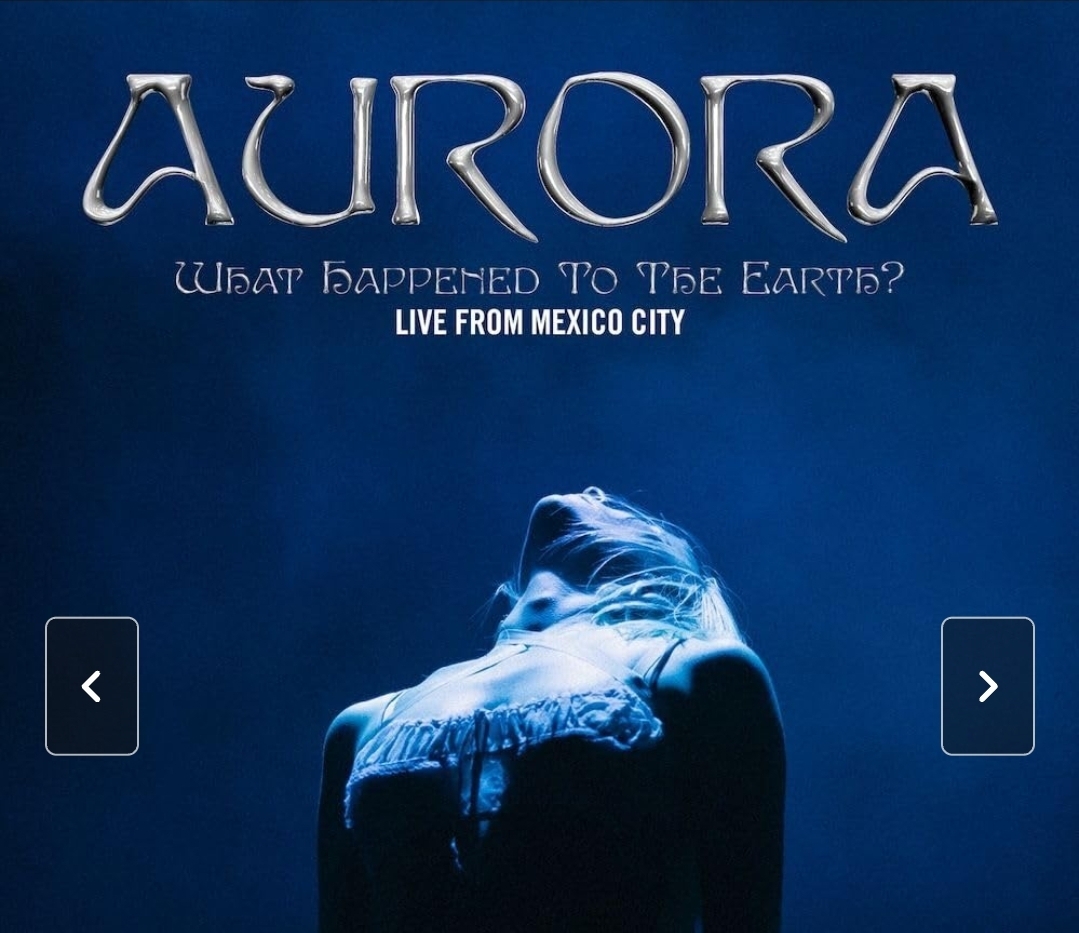
Aurora: What Happened to the Earth? Parents Guide: Is It Kid-Friendly?
With Caution, Aurora: What Happened to the Earth? is suitable for mature tweens and teens, but its intense disaster imagery, peril sequences, and emotional themes about planetary collapse may overwhelm younger children.
Quick-Scan Safety Card
| Category | Rating | Details |
|---|---|---|
| MPA Rating | PG-13 | Rated PG-13 for disaster peril, thematic content, and some language |
| Target Age | 12+ | Recommended 13+ for emotional intensity |
| Violence | Medium | Disaster |
| Sex/Nudity | Low | None |
| Language | Low-Medium | Mild profanity |
| Positive Role Models | 4/5 | Resilience |
What is Aurora: What Happened to the Earth? About? (No Spoilers)
Set in a near-future world destabilized by climate collapse, Aurora: What Happened to the Earth? follows a teenage science prodigy and her estranged father as they race to decode mysterious atmospheric anomalies threatening humanity’s survival.
This is not just a disaster movie. It’s a story about grief, parental separation, environmental guilt, and hope under pressure. Emotional triggers include natural disasters, large-scale destruction, panic in crowds, references to mass casualties, and strained family relationships. A subplot involving a child separated from their parent may be especially upsetting for sensitive viewers.
The tension builds through escalating environmental events violent storms, power grid failures, and food shortages while the core relationship centers on rebuilding trust. The film asks big questions: What responsibility do we bear for Earth? And can fractured families repair themselves in time?
Why is Aurora: What Happened to the Earth? Rated PG-13?
The MPA rated the film PG-13 for intense sequences of disaster peril, thematic elements, and some strong language.
This rating feels appropriate. There’s no graphic gore, but the sustained threat collapsing buildings, people trapped under debris, and mass evacuation scenes creates emotional intensity that exceeds typical PG territory.
Unlike many PG-13 disaster films, Aurora leans heavily into environmental realism. News broadcasts within the film reference death tolls and global instability. While not graphic, the implications are sobering.
For parents evaluating streaming age limits, consider your child’s sensitivity to real-world climate anxiety. This film may spark meaningful discussion or genuine worry.
Detailed Content Breakdown
Violence & Gore
Violence stems from environmental catastrophe rather than human aggression.
- Extended sequences of cities flooding, wildfires spreading, and infrastructure collapsing.
- A scene where characters narrowly escape a falling radio tower, with brief visible blood from a head injury.
- One intense moment involving a character trapped beneath debris; breathing sounds and panic heighten distress.
- News reports reference off-screen deaths, but no bodies are shown in graphic detail.
There are no weapons used in combat and no war scenes. The threat is natural disaster and systemic collapse.
The scare factor comes from realism. Children who fear storms or climate change may find certain scenes frightening.
Profanity & Language
Language is moderate but noticeable.
- Approximately 2 uses of the F-word.
- Several uses of “s*,” “damn,” and “hell.”**
- Emotional arguments between family members include raised voices and harsh tones.
There is no sexual profanity. Most language appears during high-stress situations.
Sexual Content & Nudity
Sexual content is minimal.
- A brief teen crush subplot, including shy flirting.
- One quick kiss between teenagers.
- No nudity.
- No sexual activity depicted.
Romantic elements are secondary to survival themes and family repair.
Substance Use
Substance use is limited.
- Adults drink alcohol socially in one early scene.
- No drug use.
- No glamorized smoking (brief background cigarette use during a chaotic evacuation scene).
Substances are not central to the narrative.
Age-by-Age Viewing Guide
Toddlers & Preschoolers (0–5): Not Appropriate
The loud disaster sequences, dark visuals, and emotional distress are unsuitable for young children.
At this developmental stage, children struggle to separate fiction from reality. Scenes of environmental destruction may feel immediate and terrifying.
Elementary School (6–10): Caution Advised
Children in this age group may be frightened by:
- Intense storm visuals.
- Scenes of separation between parents and children.
- Realistic news-style reports about global catastrophe.
Many elementary-aged kids are already exposed to conversations about climate change. This film could amplify anxiety without careful parental guidance.
If your child is highly sensitive to weather events or natural disaster coverage, consider waiting. For lighter viewing options, see [Link to: Best Family Movies of 2026].
Tweens & Teens (11–15): Recommended 13+
This is the ideal audience.
Teens can process:
- Complex environmental ethics.
- Parent-child conflict.
- Collective responsibility.
The teenage protagonist models scientific curiosity and perseverance. However, younger tweens prone to climate anxiety may need reassurance after viewing.
Watch together. Talk afterward.
Positive Messages & Educational Value
Despite its tension, Aurora offers strong developmental benefits:
- Promotes STEM engagement, especially atmospheric science.
- Encourages critical thinking about climate responsibility.
- Highlights teamwork across generations.
- Emphasizes emotional repair between parent and child.
- Models resilience in crisis.
The film avoids simplistic blame. Instead, it frames environmental repair as a collective effort.
For classrooms or homeschool families studying climate science, this film could spark meaningful dialogue.
5 Discussion Questions for Families
- Why do you think the father and daughter struggled to communicate at the beginning?
- How did fear influence the decisions characters made?
- What responsibility do individuals have in solving global problems?
- Which moment felt most hopeful to you, and why?
- How can families rebuild trust after conflict?
These conversations transform anxiety into empowerment.
Common Questions About Aurora: What Happened to the Earth?
Is Aurora: What Happened to the Earth? too scary for 10-year-olds?
For many 10-year-olds, yes. The realistic disaster scenes and emotional tension may be overwhelming without parental support and reassurance afterward.
Does the movie have a post-credits scene?
No. There is no post-credits scene. The story concludes fully before the credits roll.
Are there any strobe light warnings in Aurora: What Happened to the Earth?
Yes, brief flashing lights appear during power grid failures and storm sequences. They are short but may affect viewers sensitive to light stimulation.
Final Verdict for Parents
Aurora: What Happened to the Earth? is a thoughtful, intense climate drama best suited for teens 13 and older. It contains no graphic gore or sexual content, but its realistic disaster imagery and emotional stakes may unsettle younger viewers.
If your teen is curious about environmental science or enjoys grounded sci-fi thrillers, this film offers depth and educational value. Just be prepared to discuss climate anxiety, resilience, and hope afterward.
For more age-appropriate options, explore:
Best Movies of 2026
When deciding if it’s safe for kids, weigh not just the PG-13 rating but your child’s sensitivity to real-world issues and disaster imagery.

Stephanie Heitman is a seasoned journalist and author dedicated to helping parents navigate the world of Hollywood entertainment through thoughtful, family-oriented film reviews. With over a decade of experience in writing and a passion for fostering safe, enriching viewing experiences, Stephanie launched Parentguiding.com to provide parents with the insights they need to make informed choices for their families.