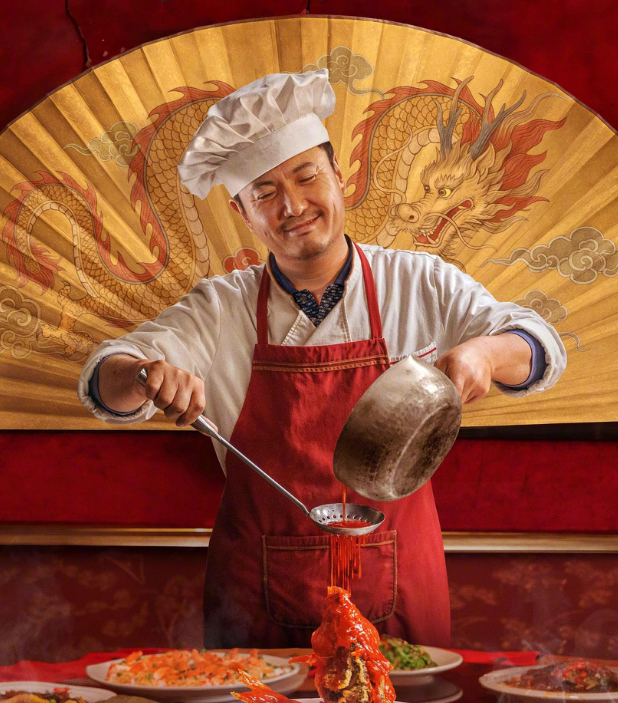
My nine-year-old was laughing so hard during the restaurant kitchen chaos scene that she nearly spilled her drink. Then a character made a joke about alcohol that sailed right over her head — but my twelve-year-old caught it instantly and gave me the look. That split-second moment captured exactly why this Huan ying lai Long can guan parents guide exists. The comedy works on two levels, and your younger kids won’t catch everything, but the older ones absolutely will.
Is Huan ying lai Long can guan Safe for Kids? The Quick Answer
Quick-Scan Safety Card
| Category | Detail |
|---|---|
| Official Rating | Not Yet Rated — no official MPAA or Australian classification at time of writing |
| Expert Recommended Age | 8+ (younger with parental company if your child handles loud comedy well) |
| Violence Level | Slapstick only — kitchen accidents, pratfalls, food fights. Nothing graphic. |
| Language | Mild insults and a handful of crude expressions in Mandarin; subtitled equivalents stay PG-level |
| Crude / Toilet Humour | Moderate — several gags involving bodily functions and food-related gross-out moments |
| Biggest Surprise for Parents | The emotional subplot about family estrangement hits harder than the comedy packaging suggests |
What Is Huan ying lai Long can guan About — No Spoilers
Picture a struggling family-owned Chinese restaurant on the verge of closing. A chain of mishaps, misunderstandings, and unexpected visitors turns one chaotic evening into a night nobody will forget. The comedy is broad and physical — think kitchen disasters, misidentified guests, and competitive cooking gone sideways.
But underneath the slapstick, there’s a genuine emotional current running through the story. Family obligation, generational expectations, the fear of letting your parents down — those feelings are real here. My kids laughed constantly, but my oldest asked a thoughtful question about family pressure on the drive home. The title translates roughly to “Welcome to Dragon Restaurant,” and the warmth of that invitation carries through the whole film.
Why Is It Rated “Not Yet Rated”?
Since Huan ying lai Long can guan 2026 hasn’t received an official classification from the MPAA or the Australian Classification Board yet, parents are flying a bit blind. Based on what I’ve seen, I’d expect this to land somewhere around a PG rating in Australia, possibly a G with a consumer advice line about crude humour.
Honestly, I think PG is the more accurate call. There’s enough crude humour, mild peril, and emotional intensity in the family conflict scenes that a straight G feels slightly misleading. Nothing here would earn an M rating — not even close. But a few of the gross-out gags and one heated argument between father and son push it just past comfortable “all ages” territory.
When the official Huan ying lai Long can guan age rating lands, I’ll update this guide. For now, treat it as PG in your household planning.
Slapstick and Physical Comedy
The kitchen sequences are where the physical comedy peaks. Characters slip on spilled oil, get hit with swinging cabinet doors, and one extended sequence involves a wok that essentially becomes a projectile. It’s all played for laughs and nobody is genuinely hurt.
That said, the volume and pacing of these scenes are intense. Younger kids — especially those sensitive to loud, fast-moving chaos — might find it overstimulating rather than funny. My five-year-old nephew would have been overwhelmed. My nine-year-old thought it was the funniest thing she’d ever seen.
If your child gets anxious during loud, fast slapstick comedy (think the kitchen scenes in Ratatouille but cranked up), preview the first twenty minutes before watching together.
Crude Humour and Bathroom Jokes
There’s a solid handful of crude gags here. One running joke involves a character’s digestive reaction to spicy food that gets called back to at least three times. Another bit features a child character saying something mildly inappropriate at exactly the wrong moment — classic comedy setup, and kids in the audience loved it.
None of it crosses into genuinely vulgar territory. It sits comfortably in the zone of “your seven-year-old will repeat this at dinner for the next two weeks.” You’ve been warned.
If bathroom humour is a hard no in your household, know that it’s a recurring element here — not just a single throwaway gag.
Emotional Conflict and Family Tension
This is the part that surprised me most. The argument scene between the father and his adult son carries real emotional weight. Raised voices, accusations of disappointment, a door slammed hard enough to rattle the restaurant. For a comedy, it hits.
Kids who have experienced family conflict or parental separation may find this sequence upsetting. The film resolves it warmly, but the tension lingers for a solid ten minutes before that resolution arrives. My twelve-year-old got quiet during this stretch, and we talked about it after.
The family argument scene is the most likely Huan ying lai Long can guan trigger warning moment. If your child is sensitive to adults yelling at each other, a gentle heads-up beforehand helps.
Language and Dialogue
The film is primarily in Mandarin with English subtitles in the Australian release. A few mild insults pop up — nothing stronger than words like “idiot” and “fool” in the translated subtitles. There are a couple of crude expressions that the subtitles soften slightly, which is standard practice.
One character mutters what sounds like a stronger expletive under their breath during a frustration scene, but it goes by fast and isn’t translated in the subtitle track. Older kids studying Mandarin might catch it. Most won’t.
The language is genuinely mild. If your child can handle a typical PG comedy, nothing here will raise your eyebrows.
Alcohol and Adult References
Characters drink beer and baijiu (a Chinese spirit) during restaurant scenes. One comedic sequence involves a character becoming tipsy and making exaggerated decisions. It’s played purely for laughs, and the consequences are slapstick rather than serious.
A couple of adult jokes — the kind aimed squarely over kids’ heads — reference dating and romantic awkwardness. Nothing explicit. Nothing that would require an uncomfortable conversation on the way home.
The alcohol humour is brief and silly. If you’d rather not normalise drinking for laughs, it’s a brief conversation opportunity rather than a dealbreaker.
Age-by-Age Viewing Guide for Huan ying lai Long can guan
Too young for this one. The pacing is fast, the slapstick is loud, and the emotional argument scenes could be genuinely distressing for little ones. The subtitles also mean pre-readers miss the dialogue entirely unless they’re fluent in Mandarin. There’s no real entry point for this age group. Skip it and revisit in a few years.
This is the sweet spot audience, but with caveats. Kids on the older end of this range will have a blast with the physical comedy and gross-out gags. Six-year-olds might struggle with the subtitle reading speed and the emotional heaviness of the father-son conflict. Watch with them. The crude humour will land hard — expect enthusiastic reenactments at home.
Perfectly pitched for this age group. They’ll catch both layers of humour — the broad slapstick and the subtler adult jokes. The family conflict theme will resonate without overwhelming them. If your tween is starting to push back against “family movies,” this one actually works because the comedy doesn’t feel condescending.
No concerns whatsoever for this age group. Teens may actually connect deeply with the generational expectation themes — the pressure to follow a family path versus finding your own. It’s a lighter film than they might typically choose, but it earns genuine laughs and has real heart. Good family movie night pick if you can get them to commit.
Nothing to flag. Older teens and adults will appreciate the cultural specificity and the warmth of the storytelling. It’s the kind of feel-good comedy that works precisely because it doesn’t try too hard. Enjoy it.
Positive Messages and Educational Value
The strongest message here is about family resilience. Not in a saccharine, greeting-card way — in a messy, realistic way where people hurt each other and then figure out how to come back together. That’s actually more useful for kids to see than a perfect family that never fights.
There’s genuine cultural richness in the restaurant setting. The food preparation scenes are lovingly shot, and my kids came home asking to try making dumplings from scratch. So that’s a win. The film also touches on the immigrant experience of building a business in a new community, though it keeps things light.
I won’t oversell the educational value. It’s a comedy first. But the family dynamics are honest, and that honesty gives families something real to discuss afterward.
Five Family Discussion Questions
- When the father and son argued about the restaurant’s future, whose side did you find yourself on — and did that change by the end of the film?
- The restaurant was struggling to survive against bigger competitors. Have you ever noticed a small local business closing and wondered what happened to the family behind it?
- One character kept a secret about their cooking skills to avoid embarrassing someone else. When is it kind to hide a talent, and when does that become dishonest?
- The “welcome” in the title means a lot to the story. What does it feel like when you walk into a place and genuinely feel welcomed versus when it feels fake?
- If you could open a family restaurant and put one dish on the menu that represents your family, what would it be and why?
Frequently Asked Questions
It’s not a scary film at all — there are no monsters, jump scares, or threatening situations. The only concern for a six-year-old is a loud argument scene between family members that might feel tense. Sensitive kids may need a reassuring nudge during that stretch.
Based on what I’ve seen, there is a brief comedic tag during the credits — a short callback gag involving the kitchen. It’s fun but not essential to the story. You won’t miss anything critical if your kids need to bolt for the bathroom.
I didn’t notice any significant strobe effects or rapid flashing sequences. There’s one brief moment with flickering neon restaurant signage, but it’s short and mild. Photosensitive viewers should be fine, though I’d always recommend caution with unrated films.
With a September 2026 release date, the Huan ying lai Long can guan streaming age limit and platform details haven’t been confirmed for Australia yet. Expect a theatrical run first, with streaming availability likely a few months after. I’ll update this guide when platforms are announced.
Yes, with a caveat — your child needs to be a confident enough reader to follow subtitles at a reasonable pace. Kids under seven or eight often struggle with subtitle-heavy films. The physical comedy translates across any language barrier, though.
Food is central to the entire film, with extended cooking and eating sequences. One comedic scene involves a character having a strong reaction to chilli. If your child has anxiety around food or eating situations, it’s worth knowing that food is constantly on screen.
It translates roughly to “Welcome to Dragon Restaurant.” The dragon is the name of the family’s restaurant, and the idea of welcoming people in — both literally and emotionally — is the heart of the entire story.

Stephanie Heitman is a seasoned journalist and author dedicated to helping parents navigate the world of Hollywood entertainment through thoughtful, family-oriented film reviews. With over a decade of experience in writing and a passion for fostering safe, enriching viewing experiences, Stephanie launched Parentguiding.com to provide parents with the insights they need to make informed choices for their families.