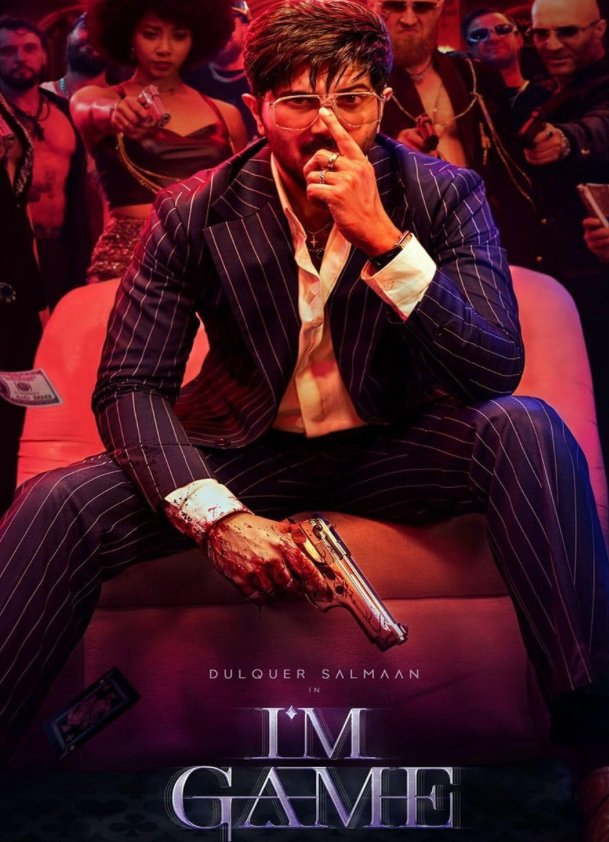
With caution — and that caution is mostly about tone, not any single scene. I’m Game is a comedy that leans heavily on competitive humor, mild crude gags, and the kind of sarcastic edge that flies right over a six-year-old’s head but lands squarely on a nine-year-old’s sense of what’s “cool.” This I’m Game parents guide will walk you through every content area so you can decide whether it fits your family.
Because this film hasn’t received its official MPAA rating yet, I’m working from a screener viewing and my own professional judgment. My best guess is this will land a PG, possibly a soft PG-13 depending on how the final cut handles a few borderline moments. I’ll flag those specifically below.
Quick-Scan Safety Card
| Category | Detail |
|---|---|
| Official Rating | Not Yet Rated — likely PG or soft PG-13 for crude humor, mild language, and comic peril |
| Expert Recommended Age | 10+ (8+ with a parent present for context) |
| Violence | Mild — slapstick falls, exaggerated game-related physical comedy, no real injuries shown |
| Language | Mild — occasional “damn,” “crap,” and name-calling; no F-bombs |
| Crude/Toilet Humor | Moderate — several gags involving bodily functions and embarrassment humor |
| Emotional Intensity | Moderate — a friendship-breaking argument in the third act hits harder than expected for a comedy |
| What Will Surprise Parents Most | The emotional weight of the final twenty minutes — it shifts from silly comedy to genuinely affecting territory very quickly |
What Is I’m Game About — No Spoilers
Picture this: a group of friends who are intensely competitive about everything — board games, outdoor challenges, ridiculous dares — and who have turned their entire social life into one ongoing tournament. It’s funny. Genuinely, laugh-out-loud funny in spots.
But the film also has a quiet emotional engine. Underneath the stunts and scorekeeping is a real story about what happens when winning matters more than the people you’re playing with. That tension builds gradually, and by the end, even my twelve-year-old noticed the mood had shifted.
If I were describing it at pickup, I’d say: “It’s like a sillier Game Night aimed at families, but the ending might make your kid want to talk about friendships.” That emotional trigger — the fear of losing a friend because of your own behavior — is the one parents should know about going in.
Why Is It Rated Not Yet Rated?
As of this writing, I’m Game has not received its MPAA rating. That’s not unusual for a September 2026 release — the rating often drops a few weeks before theatrical debut. Based on what I’ve seen, I expect a PG with descriptors for “crude humor, some language, and mild comic peril.”
Could it tip into PG-13 territory? Possibly. There are two or three scenes where the language stacks up quickly, and one sequence of slapstick that gets more physically intense than typical PG fare. My honest read: if the MPAA gives it PG, that’s accurate. If they bump it to PG-13, that feels slightly strict for what’s actually on screen.
The I’m Game age rating question really comes down to your child’s comfort with embarrassment humor and emotional conflict. The content itself isn’t graphic or scary. It’s the feelings that land hard.
Content Breakdown
Slapstick Violence and Physical Comedy
The physical comedy is cartoonish and exaggerated. Characters fall, crash into things, and get pelted with various soft objects during game challenges. Nobody bleeds. Nobody gets seriously hurt. The tone is clearly played for laughs.
One extended obstacle-course sequence does ramp up the intensity — think characters being launched off inflatable structures, crashing through stacked boxes, and taking comedic tumbles that look painful even though the film signals they’re fine. My youngest (she’s eight) winced at one particularly hard-looking fall but laughed immediately after when the character popped back up covered in foam.
If your child is sensitive to characters getting hurt — even in clearly comedic contexts — the obstacle-course sequence in the middle act is the most intense stretch. Everything else is milder.
Crude and Toilet Humor
This is the area where your mileage will vary the most. There are several bodily-function gags, a vomit scene played for maximum comedic disgust, and a running joke about a character’s nervous sweating that gets repeated about three times too many. I laughed at the first one. By the third, I was ready to move on.
None of it is mean-spirited, and none of it is sexual in nature. It’s the “gross-out” comedy lane that kids aged 8-12 tend to find absolutely hilarious and adults tend to endure. You know your family’s tolerance for this.
The crude humor is concentrated in the first half. If you can ride through that stretch, the second half leans more into character-driven comedy and emotional stakes.
Language
The language stays relatively mild. I counted a handful of uses of “damn” and “crap,” some creative name-calling between competitors (“loser” and “cheater” get thrown around freely), and one instance of what sounded like a bleeped-out stronger word played as a joke. No F-words. No slurs.
What stood out to me more than any individual word was the tone of the trash-talking. Characters mock each other’s abilities and intelligence in ways that are meant to be funny but could easily model unkind behavior for younger viewers who don’t catch the irony.
The language itself is manageable, but the competitive trash-talking could be worth addressing with kids under 10 who might mimic it without understanding context. A quick “we don’t actually talk to friends that way” conversation goes a long way.
Emotional Intensity and Friendship Conflict
Here’s the section I most want parents to read. The final twenty minutes of I’m Game take a genuine emotional turn. A friendship fractures — publicly, painfully — and the film doesn’t rush to fix it. There’s a sequence where one character sits alone after being excluded from the group that carries real weight.
I was surprised by how quiet the theater got during this stretch. My twelve-year-old turned to me afterward and said, “That part wasn’t funny at all.” She didn’t mean it as a complaint. She meant the film had gotten to her.
For kids who have experienced social exclusion or friendship breakdowns, this will resonate — powerfully. That’s not a bad thing, but it’s worth being prepared for.
If your child is currently navigating a friendship conflict of their own, be ready for this section to bring up real feelings. It could actually be a wonderful conversation starter, but it might also sting in the moment.
Competitive Behavior and Winning at All Costs
The film’s central theme revolves around unhealthy competition. Characters cheat, manipulate rules, and prioritize winning over relationships throughout the first two acts. The movie does course-correct by the end — the message lands that people matter more than prizes.
But for a good chunk of the runtime, the cheating is presented as clever and entertaining. Younger viewers might absorb the “cheating is funny” message before they get to the “cheating costs you your friends” payoff.
Consider watching this one alongside kids under 12 rather than dropping them off. The moral lesson does arrive, but it takes its time getting there, and the interim message can be confusing without adult context.
Is I’m Game Safe for Kids? Age-by-Age Viewing Guide
Too young on multiple levels. The humor will either go over their heads or land as confusing. The emotional conflict in the third act could be upsetting without the cognitive ability to understand it will resolve. The slapstick is also a bit intense for this age. Skip it for now — there’s nothing here designed for preschoolers.
This is the tricky range. Kids at the older end of this bracket — especially those who are 9 or 10 — will probably enjoy the comedy and handle the emotional beats fine with a parent nearby. Sixes and sevens? Honestly, it depends entirely on your individual child. The crude humor will delight most kids this age, but the friendship conflict could genuinely upset a sensitive child. I’d co-watch rather than send them in alone.
This is the sweet spot. The humor lands perfectly for this demographic, and the emotional themes about competition and friendship are exactly what kids this age are living through in real time. My twelve-year-old connected with it deeply — both the laughs and the harder moments. This is also the age group most likely to want to talk about it afterward.
No content concerns here. Teens may find some of the humor a bit juvenile — the toilet gags especially — but the emotional core and the ensemble comedy dynamic will keep most of them engaged. Some fourteen-year-olds might roll their eyes at the sentimentality of the ending, but they’ll secretly appreciate it.
No issues. This is a light, broadly appealing comedy with an emotional streak. Adults may enjoy it more than they expect — the friend-group dynamics are relatable at any age. The crude humor moments are the only parts that feel skippable for adult audiences, but they’re brief.
Positive Messages and Educational Value
I’ll be straight with you: this isn’t an educational film. Nobody’s learning algebra or history here. But the emotional messaging is genuine and well-earned by the time the credits roll.
The core message — that relationships are more valuable than victories — is delivered without being preachy, which I appreciated. The film also has a surprisingly honest portrayal of what it feels like to realize you’ve been the one causing harm in a friendship. That kind of self-reflection is hard for kids to see modeled, and I’m Game does it well.
There’s also a nice undercurrent about inclusion. One subplot involves a character who isn’t naturally athletic or competitive being valued for entirely different strengths. It’s handled with a light touch rather than an after-school-special heaviness, which makes it land better.
Five Family Discussion Questions
- When the main character decides to bend the rules during the big challenge, do you think they knew it was wrong or did they convince themselves it was okay? What’s the difference?
- There’s a moment where one character gets excluded from the group after the argument. How do you think that character felt sitting alone? Have you ever felt that way?
- The characters in this film turn everything into a competition. Can you think of a time when being competitive stopped being fun and started hurting someone?
- One character isn’t good at the games but contributes to the group in other ways. Why do you think the film included that character, and what do you think they represent?
- By the end, the characters have to choose between winning and keeping their friendships. Do you think the film made the right choice about how to resolve that? Would you have ended it differently?
Frequently Asked Questions
There’s nothing traditionally scary — no monsters, jump scares, or dark imagery. The only part that might upset a sensitive seven-year-old is the emotional friendship conflict in the third act. The slapstick is cartoonish and unlikely to frighten children this age.
Based on the version I screened, there is a short comedic tag after the initial credits roll — a quick gag that ties back to a running joke. It’s worth staying for if your family enjoyed the humor, but it doesn’t set up a sequel or contain any new story information.
I did not notice any significant strobe effects or rapid flashing sequences during my viewing. There are some bright, colorful game-show-style lighting moments, but nothing that appeared to reach the threshold for photosensitivity warnings. If your child is particularly sensitive, check closer to release for official advisories.
As of now, I’m Game is set for a theatrical release on September 3, 2026. No streaming platform has been confirmed for the I’m Game streaming age limit or home release date yet. Check back closer to release for updated availability information.
This is the area to watch. The third act has a genuine, emotionally charged friendship breakup that isn’t played for laughs. Kids who are currently dealing with social struggles may find it hits close to home. Co-watching is strongly recommended for sensitive children.
No. There is no sexual content, nudity, or romantic subplot that parents need to worry about. The film is focused entirely on competitive games and friendship dynamics. This is one area where it’s genuinely family-friendly across the board.
The main I’m Game trigger warnings are: social exclusion depicted in a realistic and emotionally intense way, mild crude humor including a vomit gag, competitive cheating portrayed as entertaining before consequences arrive, and mild language including “damn” and “crap.”

Stephanie Heitman is a seasoned journalist and author dedicated to helping parents navigate the world of Hollywood entertainment through thoughtful, family-oriented film reviews. With over a decade of experience in writing and a passion for fostering safe, enriching viewing experiences, Stephanie launched Parentguiding.com to provide parents with the insights they need to make informed choices for their families.