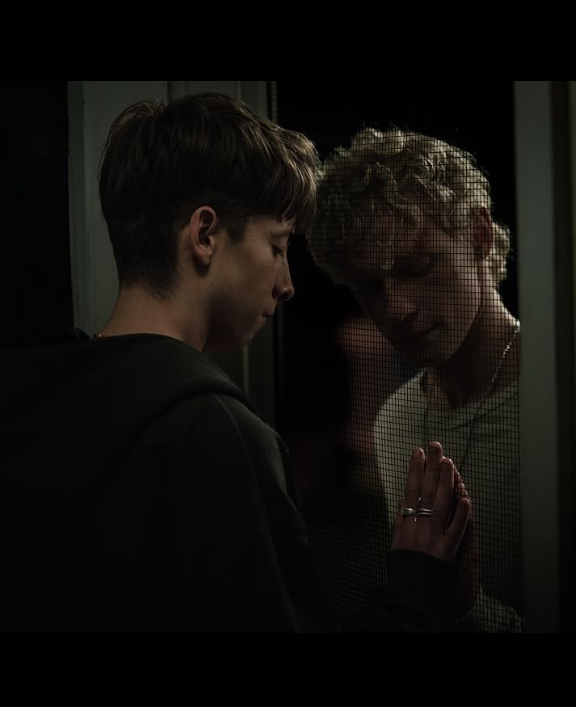
No. That is my verdict on Leviticus, and I need you to hear the reasoning clearly. This low-budget 2020 UK drama carries no official rating from the BBFC or MPAA, which itself should be a red flag for parents — it means there has been no formal content evaluation. The film deals with raw, street-level themes drawn from London gang culture, and it does so without flinching.
When a film slips through without a classification, I watch it twice. I took detailed notes both times. What I found was a drama with serious intent and some genuine emotional power, but one that leans heavily into violence, coercive control, and survival under threat. These are not themes softened for a younger audience.
If you are reading this Leviticus parents guide because your teenager wants to watch it, I completely understand. The title carries biblical weight and the marketing suggests a redemption story. Both are partially true. But the road the film takes to get there is rough, and I would not feel comfortable with my own children seeing it before age sixteen at the earliest.
Quick-Scan Safety Card
| Category | Detail |
|---|---|
| Official Rating | Not Yet Rated — no BBFC or MPAA classification exists |
| Expert Recommended Age | 16+ (strong content unsuitable for younger teens) |
| Violence | High — knife threats, physical beatings, realistic street-level confrontations |
| Language | Heavy — frequent strong language including f-word and racial slurs |
| Emotional Intensity | Severe — coercive control, fear, grief, and survival trauma run throughout |
| What Will Surprise Parents Most | The unrelenting emotional pressure on the young protagonist — it feels claustrophobic |
What Is Leviticus About — No Spoilers
Leviticus follows a young Black teenager navigating the margins of London life, caught between gang loyalty and a desperate pull toward something better. Think of it as a survival drama draped in moral conflict.
The emotional experience is heavy. You spend most of the film with a tight feeling in your chest because the protagonist has so few safe places to turn. There is a constant hum of threat — not always physical, but psychological. The film earns its tension honestly.
If another parent asked me at school pickup, I would say: “It is about a kid who has been given no good choices and is trying not to drown. It will make you angry, and it should.”
Why Is Leviticus Not Yet Rated?
Leviticus was produced on a very modest budget and distributed through limited UK channels. It never went through the formal BBFC classification process. For parents researching the Leviticus age rating, this absence of certification means there is no official guardrail to lean on.
Had it been submitted, I strongly suspect it would land at a BBFC 15 or possibly 18, depending on how the board weighed the cumulative emotional violence. The MPAA equivalent would likely be a firm R. My own assessment sits close to the higher end of that range because the content is unrelenting — there are very few breathers for the audience.
I want to be transparent: the lack of an official rating means I am basing my Leviticus parental guidance on what I observed during two full viewings. I am confident in my assessment, but I always encourage parents to verify when a film carries no formal classification.
Content Breakdown
Violence and Physical Threat
The violence in Leviticus is not stylised or glamorous. It is fast, close, and frightening. Knife threats appear in at least two extended sequences, and they feel chillingly real.
There are physical beatings that linger on screen long enough to make you uncomfortable. One confrontation in particular stayed with me — not because of graphic blood, but because the camera refuses to look away from the fear on a young actor’s face. That restraint is artistically effective but emotionally punishing.
The violence here is more psychological than gory, but do not mistake that for “mild.” If your child is sensitive to intimidation or bullying dynamics, this will land hard.
Language
Strong language is persistent throughout the film. The f-word appears frequently, along with other harsh terms that reflect the street environment the characters inhabit. Racial slurs are used within dialogue in ways that mirror real speech patterns.
This is not gratuitous — it serves the story. But it is constant. My fifteen-year-old would have heard these words before, obviously. Whether I want her sitting through ninety minutes of them in concentrated form is a different question.
If language is a significant concern in your household, be aware that there is no clean version or edited cut available for this film.
Emotional and Psychological Content
This is where Leviticus hits hardest. The protagonist is subject to coercive control — pressured by older figures to make choices that put him at risk. Watching a teenager with shrinking options is deeply unsettling, even for adult viewers.
Grief runs quietly underneath the narrative. There are moments of genuine tenderness, but they are brief and fragile. The overall emotional texture is one of dread and resignation, punctuated by small flickers of hope.
I found myself genuinely tense for sustained stretches. This is a Leviticus content warning that matters more than any single scene: the cumulative weight is the issue, not any one graphic moment.
If your child has personal experience with unstable home environments, neighbourhood violence, or peer pressure from older teens, this film could be genuinely triggering. Approach with care.
Substance Use
Drug dealing is referenced and implied within the gang dynamics. You see product being handled in brief scenes. There is also casual smoking and some alcohol consumption by adult characters.
None of it is presented approvingly. The film is clear-eyed about the damage this world causes. But it is present, and younger viewers may not have the context to process it critically.
The substance content is relatively restrained compared to the violence and emotional intensity, but it adds another layer to why this film needs a mature audience.
Age-by-Age Viewing Guide
Absolutely not. Nothing about this film is designed for or accessible to young children. The content would be confusing at best and frightening at worst. Keep little ones well away.
Still a firm no. Children in this age range lack the emotional framework to process coercive control, gang dynamics, or the kind of sustained threat this film presents. The language alone makes it unsuitable.
I know some parents of this age group will wonder if the social realism makes it educational. I understand that instinct. But the emotional intensity here is adult-level, and most eleven to thirteen-year-olds are not ready for a film that offers so little emotional relief. This is not safe for kids in this bracket.
This is the grey zone, and honestly it depends so much on your specific child. A mature sixteen-year-old with some awareness of the issues portrayed could watch this meaningfully. At fourteen, I would say not yet for most kids. If you do allow it, watch it together. Do not let this one pass without conversation.
Older teens and adults will find a sincere, unflinching drama that has something genuine to say about systemic failure and individual resilience. It is not easy viewing, but it is worthwhile viewing at this age. My seventeen-year-old would benefit from seeing it and talking about it afterward.
Positive Messages and Educational Value
Let me be honest: Leviticus is not designed to teach lessons. It is designed to show a reality. Those are different things, and the distinction matters.
What it does well is build empathy. Watching the protagonist’s limited choices forces you to reckon with the circumstances that shape young lives in underserved communities. For older teens especially, this can be genuinely perspective-shifting. My own kids have grown up in relative safety, and films like this one — watched at the right age — can do something that news articles cannot.
There is also a quiet thread about loyalty, about who deserves it and who exploits it. That is worth unpacking with your teenager if they do watch it.
Five Family Discussion Questions
- When the protagonist is pressured by older gang members, what options does he actually have — and why are they so limited?
- How does the film use silence and enclosed spaces to make you feel the character’s anxiety? Can you think of a specific scene where that worked on you?
- The title Leviticus references a book of biblical law. Why do you think the filmmakers chose that name, and what does it suggest about rules, obedience, and punishment in the story?
- Were there any adults in the film who genuinely tried to help? What made their efforts succeed or fail?
- If you were making policy decisions for the community shown in this film, what is the single most important thing you would change — and why?
Frequently Asked Questions
No. The film features sustained emotional intensity, realistic gang violence, heavy language, and themes of coercive control that are not appropriate for children under twelve. Even most young teens would find the content overwhelming without parental support.
No post-credits scene was present in the version I watched. The film ends definitively with its final shot. You do not need to sit through the credits unless you want to appreciate the production team behind this independent work.
I did not notice any significant strobe effects or rapid flashing sequences during my viewings. The cinematography tends toward natural lighting and muted tones. However, with no formal classification, no official photosensitivity warning exists.
Availability has been limited. It has appeared on smaller UK-based streaming platforms and digital rental services. Check platforms like Amazon Prime Video or Vimeo On Demand for current availability. The Leviticus streaming age limit will depend on the platform’s own policies.
Yes. Key Leviticus trigger warnings include knife violence, physical intimidation of a minor, coercive gang recruitment, grief, and an overall atmosphere of sustained psychological threat. If your teenager has experienced bullying or community violence, proceed carefully.
Based on its content, I believe the BBFC would assign a 15 certificate, possibly an 18. The MPAA would very likely give it an R rating. My own recommendation is 16 and above for responsible viewing with discussion afterward.
For older GCSE or A-level students aged sixteen and above, it could complement studies on urban inequality or youth justice. For younger students, the content is too intense to serve as classroom material without significant emotional risk.

Stephanie Heitman is a seasoned journalist and author dedicated to helping parents navigate the world of Hollywood entertainment through thoughtful, family-oriented film reviews. With over a decade of experience in writing and a passion for fostering safe, enriching viewing experiences, Stephanie launched Parentguiding.com to provide parents with the insights they need to make informed choices for their families.