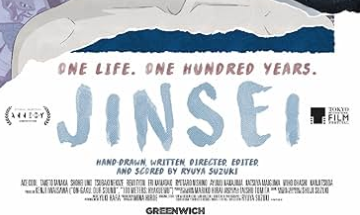
About halfway through Jinsei, I set down my notebook. Not because I was bored — quite the opposite. There was a scene where the central character sits alone after a significant loss, and the silence in the room felt so complete and so heavy that I needed a second. My teenager was sitting beside me, and I noticed her pull her knees to her chest. She didn’t say anything. Neither did I. That moment told me everything about what this film is and who it’s really made for.
If you’re looking for the Jinsei parents guide before deciding whether to stream this with your family, that moment is the short version. Jinsei is an emotionally demanding drama. It’s not graphic in a traditional sense, but it carries real weight — the kind that stays with you.
Quick Answer: Is Jinsei Safe for Kids?
With caution for ages 14 and up. Jinsei is a drama built around grief, identity, and loss — themes handled with restraint but genuine emotional intensity. Younger children are unlikely to connect with its emotional register, and some of its quieter content hits harder than any action sequence would. Teens who are emotionally ready can watch with a trusted adult nearby.
Quick-Scan Safety Card
Not Yet Rated — no MPAA classification assigned as of publication
14 and up, with parental guidance for sensitive teens
Low to moderate — no action violence; emotional confrontations and implied harm
Mild to moderate — some strong language in moments of distress
Heavy and sustained — central to the entire story
Depicted thoughtfully; includes moments of withdrawal and despair
The emotional weight is relentless — there is very little tonal relief, and that can be overwhelming for younger or more sensitive viewers
| Category | Detail |
|---|---|
| Official Rating | Not Yet Rated — no MPAA classification assigned as of publication |
| Expert Recommended Age | 14 and up, with parental guidance for sensitive teens |
| Violence | Low to moderate — no action violence; emotional confrontations and implied harm |
| Language | Mild to moderate — some strong language in moments of distress |
| Grief and Loss | Heavy and sustained — central to the entire story |
| Mental Health Themes | Depicted thoughtfully; includes moments of withdrawal and despair |
| What Parents Will Be Most Surprised By | The emotional weight is relentless — there is very little tonal relief, and that can be overwhelming for younger or more sensitive viewers |
What Is Jinsei About?
The title translates from Japanese as “life” or “one’s life,” and the film earns that name. It follows a character navigating an identity crisis after an unexpected loss reshapes everything they thought they knew about themselves and the people around them.
This is not an action-driven story. The tension comes from quiet scenes, difficult conversations, and the particular ache of things left unsaid. If you’re describing it to another parent at the school gate, think: emotionally raw coming-of-age drama with a grief current running through every scene.
The film handles questions about belonging, family expectation, and what we carry from one chapter of life into the next. It’s not a feel-good watch. Some scenes are genuinely hard to sit through — not because of anything graphic, but because they’re honest. That honesty is both its strength and the reason younger kids aren’t ready for it.
Why Is It Rated Not Yet Rated?
Jinsei had not received a formal MPAA rating at the time of writing, ahead of its June 12, 2026 release. That’s not unusual for smaller dramatic films or limited releases that reach streaming platforms before the theatrical rating process completes. It doesn’t mean the content is more extreme — it means the classification simply hasn’t been filed yet.
Based on what I watched, I’d expect this to land somewhere between PG-13 and R — and honestly, either outcome would make sense depending on which sequences the MPAA focuses on. The language and any implied harm could push it toward R. The absence of graphic content might keep it at PG-13. Neither rating would fully capture the emotional weight, which is the real content concern here.
This is one of those films where the official rating will tell you less than you need to know. A PG-13 stamp might make parents think it’s a safe family watch. It isn’t — not for kids under 13, and not without a conversation ready for teens either.
Content Breakdown
Grief and Emotional Intensity
The film’s treatment of grief is its defining characteristic. Loss appears early and its consequences ripple through every scene that follows. There are no tidy resolutions offered — the film sits in the discomfort deliberately.
One sequence in particular, which I’d describe as the emotional centerpiece, involves a character confronting an absence that cannot be fixed or explained away. It’s beautifully handled and genuinely devastating. Professionally, I found it one of the more honest portrayals of acute grief I’ve seen in recent drama. Personally, it was a lot.
If your child has experienced a recent bereavement, this film will likely be too close. Give it time, or watch it yourself first. The grief here isn’t sanitized, and that’s a deliberate creative choice worth knowing about in advance.
Mental Health and Withdrawal
There are scenes that depict a character pulling away from relationships, losing interest in daily life, and sitting with a kind of quiet despair. The film doesn’t glamorize any of this. But it also doesn’t offer a rescue narrative or simple resolution.
For teens who have personal experience with depression or anxiety, some of these scenes may feel validating. For others, they might be activating. Honestly, this one depends so much on your specific child and what they’re currently carrying.
This is good territory for a conversation before you press play, not just after. Ask your teen if they’re in a good headspace for something emotionally demanding. That question alone can open up a useful exchange about how we choose what we consume.
Family Conflict and Expectation
Parent-child tension is threaded through the story in ways that feel real and sometimes uncomfortable. Authority figures don’t always come off well. Some scenes portray parental expectations as burdens rather than gifts.
I noticed this landed differently with my older kids than I expected. My 15-year-old recognized certain dynamics immediately. She had thoughts about them afterward — which turned into one of the better conversations we’ve had in a while.
Don’t go in defensive if the film portrays parental figures imperfectly. Use it. Ask your teen what they think the parent in the film got wrong and what they might have done differently. You might learn something.
Language and Tone
The language is mild for most of the runtime, with some stronger words appearing in heightened emotional moments. Nothing here felt gratuitous — each instance felt character-driven rather than decorative. It’s the tone of the film that’s the bigger consideration, not specific words.
Language won’t be the sticking point for most families watching this. If you’re screening it for a young teen, the emotional content requires far more preparation than anything in the dialogue.
Age-by-Age Viewing Guide
Not Appropriate
There is nothing in Jinsei designed for young children, and the emotional register of the film is entirely outside what this age group can process. The pacing is slow and dialogue-heavy. Small children will be disengaged at best, distressed at worst if they pick up on the emotional cues from adults watching.
Not Appropriate
Children in this range are beginning to understand loss and grief, but the sustained emotional weight of this story is more than most can hold. The film doesn’t offer reassurance or resolution — it asks the viewer to sit with difficulty. That’s a lot to ask of a nine-year-old without significant parental scaffolding, and even then I’d hold off.
Not Appropriate
Some emotionally mature 13-year-olds might handle this, but I wouldn’t make that the default. The mental health themes and the unresolved quality of the grief narrative sit heavily. Early adolescence is already a turbulent time, and a film this emotionally dense without much tonal relief is a real ask. If your child is currently struggling with anything similar to what the film depicts, I’d wait.
With Caution
This is the sweet spot, with conditions attached. Teens in this range who are emotionally resilient and not currently going through something difficult can genuinely benefit from what Jinsei offers. Watch it with them if you can. The family dynamic themes will give you conversation material that feels organic rather than forced.
Appropriate
Older teens and adults can take this film on its own terms. By 17, most young people have encountered enough of grief’s texture to recognize what the story is doing. It’s a film worth watching. It’s the kind of drama that earns your attention and makes you want to call someone afterward.
Positive Messages and Educational Value
Jinsei doesn’t package its lessons neatly. That’s actually a point in its favor for older audiences. It shows, with some conviction, that grief doesn’t follow a schedule and that identity can survive disruption — even if the path through looks nothing like what you planned.
The film’s treatment of family expectation raises genuinely useful questions about what we pass down to children and whether love and pressure can coexist. Those are real conversations families can have. The film gives you the raw material; you provide the context.
If the emotional weight is too much for a family viewing, the discussion value is still there afterward. Sometimes a film doesn’t need to feel good to be useful. This one leans hard into that idea.
Five Family Discussion Questions
- When the main character chooses silence instead of asking for help, what do you think stops them from reaching out — and have you ever felt something similar?
- The title means “life” in Japanese. By the end of the film, what do you think the story is actually saying about what a life is made of?
- The parental figure in the story clearly loves the main character but still causes real damage. Do you think it’s possible to love someone and still get it badly wrong?
- The film never tells you how to feel about the loss at its centre — it just places you inside it. Did that feel honest to you, or did you want the story to offer more comfort?
- Grief in this film looks different from how it’s usually shown in movies. What felt different about it, and did anything in those scenes feel true to life?
Frequently Asked Questions
No. The film’s emotional themes — grief, identity, family conflict, and implied mental health struggles — are well beyond what children under 10 can comfortably process. There’s no age-appropriate entry point for young kids here, regardless of their general media maturity.
Not in a jump-scare or monster sense. The film’s difficulty is entirely emotional — prolonged grief, heavy silences, and unresolved loss. Sensitive children or those who’ve experienced bereavement may find certain scenes genuinely distressing. The fear here is the quiet kind, which often lingers longer.
Based on the version screened, there is no post-credits scene. The film closes on its final image without additional footage. That said, streaming releases sometimes differ from theatrical cuts, so it’s worth staying through the credits on first watch just in case.
Nothing significant stood out during screening. The film’s visual language is calm and grounded — no rapid flashing sequences were apparent. If your child has photosensitive epilepsy, I’d still recommend checking the final release notes from the distributor, as streaming encodes can occasionally differ.
As of the June 2026 release, streaming platform and any associated Jinsei streaming age limit settings will depend on which service carries it. Check the platform’s parental controls once it’s available. Given the content, platforms may apply a 14+ or 16+ content filter regardless of official rating.
The film depicts mental health struggles including withdrawal and despair, but I did not observe explicit depictions of self-harm or suicide in the version screened. Given the subject matter, I’d call this a cautious rather than definitive answer — parents of teens with mental health histories should preview it first.
I would hold off. The film’s portrayal of grief is unflinching and unresolved — it doesn’t offer comfort or closure. For a child in active bereavement, that could feel overwhelming rather than validating. Give it time, or screen it yourself first before making that call.

Stephanie Heitman is a seasoned journalist and author dedicated to helping parents navigate the world of Hollywood entertainment through thoughtful, family-oriented film reviews. With over a decade of experience in writing and a passion for fostering safe, enriching viewing experiences, Stephanie launched Parentguiding.com to provide parents with the insights they need to make informed choices for their families.