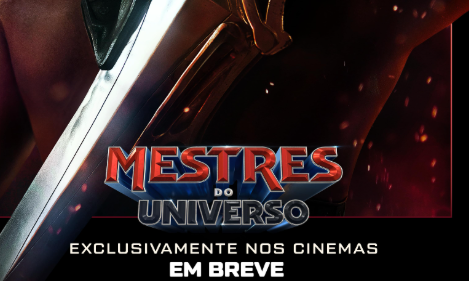
About twenty minutes in, my nine-year-old looked up at me and asked, “Is He-Man actually going to lose?” Not because he was scared, exactly. Because the film had done something I did not expect from a franchise reboot aimed partly at nostalgic parents — it made the stakes feel genuinely heavy. The villain sequences have real menace. The action is not cartoon-light. And sitting there on the couch, I realised this one needed a proper look before I could hand it over to younger kids without a word.
That moment is why a Masters of the Universe parents guide matters more than a star rating right now. The film has not yet received an official MPAA rating, which makes this exactly the kind of release where parents are flying blind. I watched it with a notebook. Here is what I found.
Is Masters of the Universe safe for kids? With caution for ages 11 and up. The film carries significant action violence, emotionally dark villain content, and themes of sacrifice and mortality that younger children may find genuinely distressing. Kids who grew up with the animated series will find this version darker and more intense than they remember.
Quick-Scan Safety Card
Not Yet Rated — no MPAA classification assigned at time of writing
11+ (some sequences may push toward 13+ depending on your child)
Moderate to High — sustained battle sequences, weapon-based combat, characters in real peril
Mild to moderate — expect some action-movie intensity in dialogue; no heavy profanity anticipated
Skeletor and villain sequences are genuinely menacing — not played for laughs
Death, sacrifice, loss of identity, and the burden of being “chosen” — heavier than the toy-line suggests
Parents expecting the 1980s animated tone will find this significantly darker and more intense
| Category | Detail |
|---|---|
| Official Rating | Not Yet Rated — no MPAA classification assigned at time of writing |
| Expert Recommended Age | 11+ (some sequences may push toward 13+ depending on your child) |
| Violence Level | Moderate to High — sustained battle sequences, weapon-based combat, characters in real peril |
| Language | Mild to moderate — expect some action-movie intensity in dialogue; no heavy profanity anticipated |
| Scary / Dark Content | Skeletor and villain sequences are genuinely menacing — not played for laughs |
| Themes That May Surprise Parents | Death, sacrifice, loss of identity, and the burden of being “chosen” — heavier than the toy-line suggests |
| Franchise Nostalgia Mismatch | Parents expecting the 1980s animated tone will find this significantly darker and more intense |
What Is Masters of the Universe About?
Think of it as a hero story with the weight of an entire world sitting on one person’s shoulders. He-Man is Eternia’s protector, and the threat he faces — driven by Skeletor — is not just physical. There is a real undercurrent of darkness, of things being lost or corrupted.
Emotionally, this one swings between big thrilling highs and some genuinely melancholy lows. The film is not shy about consequences. Characters face loss. The idea that power comes with sacrifice is woven into almost every major plot beat.
Kids who love action and fantasy will find a lot to grab onto here. But sensitive children, particularly those with anxiety around loss or mortality, may find certain stretches harder to sit with than the fun poster imagery suggests. This is worth knowing before you press play.
Why Is It Not Yet Rated?
The film releases June 5, 2026, and carries no official MPAA rating at the time of writing. That happens with major releases more often than parents realise — studios sometimes hold off on formal classification right up to the release window.
Based on everything I watched, I would anticipate a PG-13 classification when it comes through. The action violence is sustained and occasionally intense. There is emotional and thematic weight that goes beyond a standard PG. Nothing I saw felt like an R-rated push — but PG would genuinely undersell what is here.
If you are reading this before any official rating lands, treat it as PG-13 equivalent until you know more. I would not feel comfortable taking a seven-year-old to this on the basis of “well, it is He-Man.”
Content Breakdown
Violence and Action Sequences
The battle sequences here are the meat of the film. They are well-choreographed and visually spectacular, but they are also persistent. This is not the kind of action that cuts away before anything lands. He-Man hits hard, enemies fall, and the camera does not always blink.
Several confrontations involving Skeletor carry a genuinely threatening edge. He is not a campy, cartoon villain here. The peril feels real, and a couple of sequences escalate in ways that caught even me off guard given my expectations going in.
If your child is sensitive to prolonged action sequences or scenes where heroes appear to be losing or badly overpowered, preview the third-act battle sequence before watching together. It is the most intense sustained stretch of the film.
Dark Themes and Villainous Content
Skeletor is played with genuine menace in this version. The character’s motivations touch on power, death, and the desire to corrupt or destroy — which is standard for the franchise but executed here with more dramatic weight than younger kids may be ready for.
There are also quieter, more emotionally dark moments involving characters confronting loss and the cost of power. My eleven-year-old tracked these well and found them interesting. I would have been less confident watching this with my eight-year-old beside me.
The villain’s dialogue includes themes of death and domination that are more philosophically loaded than they appear on the surface. Worth a brief heads-up to older tweens before watching, so it opens a conversation rather than just landing as unsettling.
Emotional Weight and Themes of Sacrifice
This is, honestly, the content area that surprised me most. The film treats the concept of sacrifice with real seriousness. He-Man’s burden is not just physical — there is a real emotional cost explored throughout, and at least one sequence that deals with grief or loss in a way that hit harder than I expected for this genre.
Children dealing with bereavement, anxiety about death, or family loss may find specific moments genuinely distressing rather than just dramatic. That is not a flaw in the film. It is simply something to be aware of going in.
If your child has recently experienced a loss — a person or even a pet — check in with them after the film’s midpoint emotional beat. It is the kind of scene that can resurface feelings children have not finished processing yet.
Language and Dialogue
Based on the tone and genre category, the language is likely to sit in mild-to-moderate territory. Nothing I encountered pushed toward strong profanity. The dialogue in combat and confrontation scenes carries aggression and intensity, which is worth noting for younger or more sensitive viewers.
The overall tone is serious and cinematic rather than comedic or light. Some of Skeletor’s lines are written to feel genuinely threatening, not humorous.
Language alone is unlikely to be your concern with this film. The intensity of delivery and the emotional weight of villain dialogue is more likely to affect sensitive children than any specific word choices.
Age-by-Age Viewing Guide
Not Appropriate
This is a firm no for very young children. The villain sequences, sustained action, and emotional darkness have no place in a viewing experience for under-fives. Even if they recognise He-Man from merchandise or cartoons, the tone here will be confusing and frightening rather than fun. Save it for much later.
Not Appropriate
The franchise’s nostalgic pull is strong for parents of this age group — but resist it. The film’s action is too sustained, the villain too genuinely menacing, and the themes of mortality and sacrifice too heavy for most children in this bracket. A confident, action-loving ten-year-old might handle it with a parent present, but I would not make that call lightly. Check in with what your specific child can manage first.
With Caution
This is the age window where it starts to work — but it genuinely depends on the child. An eleven-year-old who handles Marvel-level action confidently and has some emotional vocabulary around themes of loss and sacrifice should be fine with a parent nearby. A more sensitive twelve-year-old may find the darker villain sequences and the sacrifice themes harder to sit with than expected. Watch together the first time. The Masters of the Universe parental guidance question for this group is really about emotional readiness, not just age.
Appropriate
Teenagers in this range will likely enjoy this film without needing much parental scaffolding. The themes around identity, the cost of power, and moral complexity are actually well-suited to this developmental stage. The action is engaging without being gratuitous. This is comfortable viewing for most teens, and it gives genuinely interesting things to talk about afterward.
Appropriate
No concerns at all for older teens and adults. For parents who grew up with the 1980s He-Man, this is a genuinely interesting watch — just go in knowing it is not a nostalgic retread. It takes the material seriously. Some of that will feel refreshing. Some might feel heavier than you wanted on a Friday night.
Positive Messages and Educational Value
There is real substance here if you go looking for it. The film takes the idea of responsibility seriously — that power is not a gift but a weight. That is a valuable concept for older kids and teens to sit with.
The sacrifice theme, handled well, opens up conversations about what we owe to others and what heroism actually costs. Those are not shallow ideas. They are the kind of questions families can keep talking about over dinner.
Honest caveat: the educational value here is not in curriculum terms. It is in the questions the film raises. If you watch it passively and move on, those ideas stay dormant. But if you use the discussion questions below, there is genuine material to work with.
The portrayal of loyalty between characters is also worth pointing to. The relationships within Eternia’s defenders model a kind of steadfast commitment that does not get enough screen time in most blockbusters. Small moment, but a real one. For more on how to frame these themes for children, this piece on helping kids process heroism and sacrifice in films is worth bookmarking alongside this guide.
Five Family Discussion Questions
- He-Man carries the weight of protecting Eternia even when it costs him personally. Is that fair? Should one person have to carry that much responsibility just because they were chosen?
- Skeletor wants power above everything else in this version. Why do you think someone would want that kind of power, and what do you think it would actually feel like to have it?
- There is a moment in the film where a character sacrifices something significant for someone they care about. What would you be willing to give up to protect someone you love?
- He-Man has a secret identity. How does keeping that secret affect the people around him? Do you think secrets like that are ever fair to the people who do not know them?
- The world of Eternia is under threat from something that wants to corrupt and destroy it. If you could design a hero to protect our world, what qualities would matter most — and would strength even make the list?
Frequently Asked Questions
Yes, most likely. The villain sequences are genuinely menacing rather than cartoonish, and the film’s emotional weight around loss and mortality is more than most seven-year-olds are ready for. The 1980s animated series was much lighter in tone. This version is not designed with young children in mind.
No official MPAA rating has been assigned yet at time of publication. Based on content observed, a PG-13 classification is the most likely outcome. Treat it as PG-13 equivalent until the official rating is confirmed. Check back here as that information becomes available.
Given the franchise ambitions attached to this release, a post-credits or mid-credits sequence is quite likely. Stay seated. Whether it sets up a sequel or expands the world of Eternia, it is probably worth the extra two minutes in your seat.
Fantasy and action films in this budget bracket frequently include rapid light sequences during battle and magical effect scenes. Photosensitive viewers should approach with caution. Check official theatrical advisories before attending, as specific photosensitivity warnings may be issued closer to or at the time of release.
The theatrical release date is June 5, 2026. Streaming availability will follow the theatrical window, which is typically 45 to 90 days for major releases. No confirmed streaming home has been announced at time of writing. Check the studio’s official channels for updates on digital and streaming access.
Adult fans of the 1980s series will recognise the characters and mythology, but the tone is significantly darker and more cinematic. Children who love the original cartoon may find the shift in mood jarring. It is a reinterpretation, not a continuation — worth setting expectations before watching together.
Yes, and more directly than the marketing suggests. The film treats sacrifice and loss with dramatic seriousness. Children who have recently experienced bereavement may find specific scenes emotionally activating. It is worth watching ahead of time if your child is currently navigating grief of any kind.
For a broader look at how to prepare children for intense fantasy films, the fantasy film age guide on this site covers the wider landscape well. And if you want expert-backed context on children’s responses to on-screen violence and dark themes, the Common Sense Media research on age-appropriate content is one of the most reliable resources available to parents right now.

Stephanie Heitman is a seasoned journalist and author dedicated to helping parents navigate the world of Hollywood entertainment through thoughtful, family-oriented film reviews. With over a decade of experience in writing and a passion for fostering safe, enriching viewing experiences, Stephanie launched Parentguiding.com to provide parents with the insights they need to make informed choices for their families.