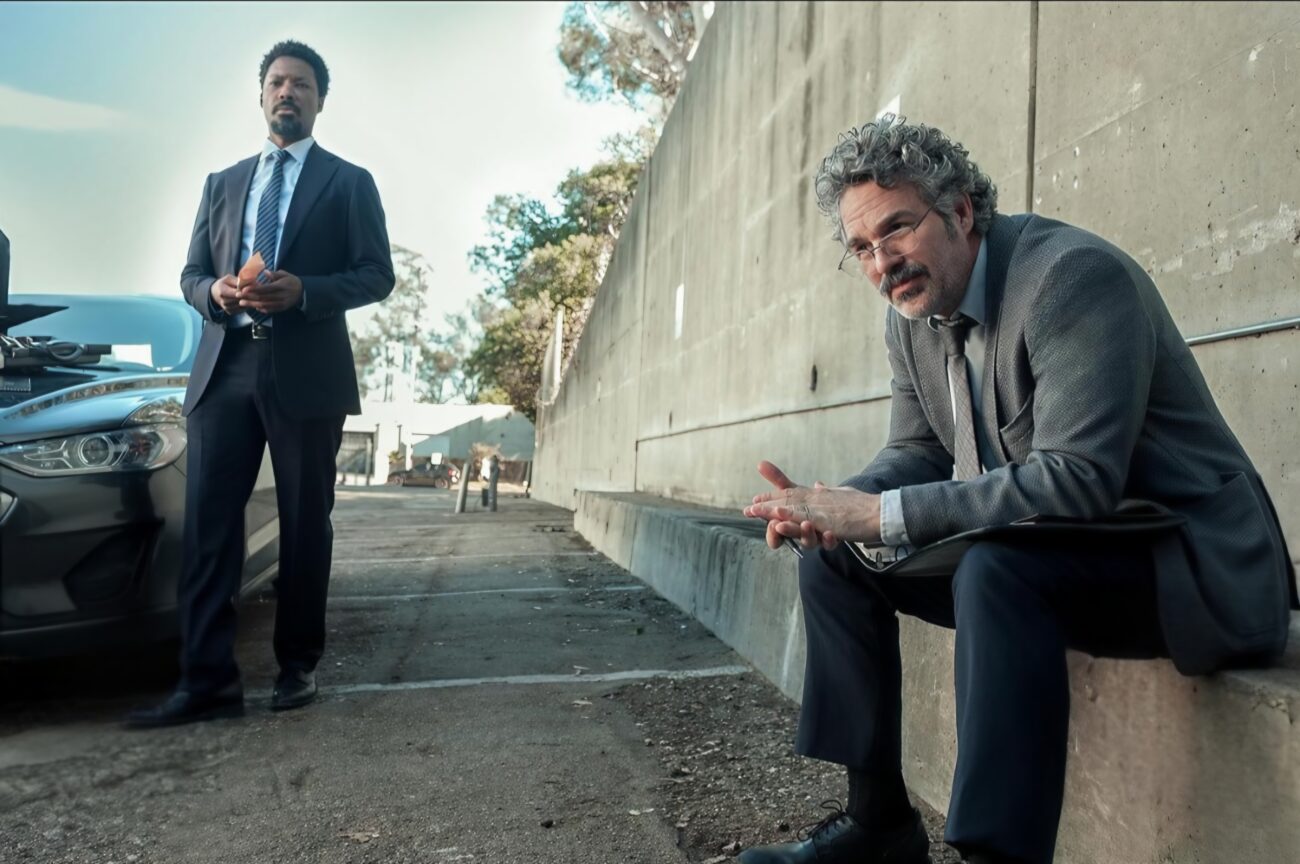
Crime 101 (2026) Parents Guide: Age Rating, Safety, and Content Breakdown
Crime 101 (2026) is not kid-friendly. This gritty, high-stakes heist thriller is designed for mature audiences and older teens. Expect intense realistic violence, pervasive profanity, and complex moral ambiguity. We recommend this film for viewers aged 15 and up due to its sophisticated themes and crime-centric plot.
At-a-Glance Safety Data
|
Feature |
Details Advertisements
|
|---|---|
|
Official MPAA Rating |
R (for pervasive language and violence) |
|
Expert Recommended Age |
15+ (Mature High Schoolers) |
|
Emotional Intensity |
8/10 – High-tension “cat and mouse” suspense |
|
Violence Level |
High – Realistic gunplay, tactical heists, and peril |
|
Language Level |
High – Frequent F-bombs and aggressive dialogue |
|
Nudity/Sensuality |
Low/Moderate – Minimal nudity; some adult intimacy |
|
Key Positive Messages Advertisements
|
Professionalism, Intellectual Rigor, Consequence of Choice |
The Plot & Parental Perspective
Based on the celebrated novella by Don Winslow, Crime 101 is a masterclass in the “professional vs. professional” subgenre. The story follows a string of high-end jewel robberies along the Pacific Coast Highway. The thief operates by a strict set of rules “Crime 101” avoiding the attention of both the police and the cartels. However, his precision meets its match in Detective Lou Lubesnick, a man who sees the patterns everyone else misses.
From a parental perspective, the film is a departure from the “superhero” violence kids are accustomed to. There are no capes here, and the stakes are grounded in reality. The primary concern for parents isn’t just the visceral content, but the moral complexity. The film often positions the criminal as a protagonist whose intelligence and discipline are admirable, even if his actions are illegal.
Parents of sensitive children should be aware of the “impending doom” atmosphere. Unlike a standard action movie, the tension in Crime 101 is psychological and persistent. It deals heavily with the concept of loneliness and the cost of a life of crime, which may trigger anxiety in younger viewers who struggle with themes of isolation or “bad guys” winning.
Content Breakdown: The “Nitty-Gritty” Details
As a 15-year veteran in the parenting and media space, I’ve seen how “action” can be a vague term. Here is exactly what you are walking into.
Violence and Scares
The violence in Crime 101 is tactical and sudden.
- Gunplay: There are several high-tension shootouts involving automatic weapons. Unlike “cartoonish” violence, these scenes emphasize the lethality and sound of the weapons, which can be jarring.
- Physical Altercations: Characters engage in brutal hand-to-hand combat. Expect to see blood, bruising, and the realistic aftermath of injuries.
- Peril: There are sequences of high-speed chases and “near-miss” escapes that maintain a high heart rate.
- Trigger Warnings: A specific scene involving a jewelry store takeover features high levels of psychological intimidation toward civilians. If your teen has a history of anxiety regarding public safety, this may be a Crime 101 trigger warning.
Language and Dialogue
This is where the film earns its R-rating most clearly.
- Profanity: The “F-word” is used frequently as both an emphasis and an insult. You will also hear “S-word,” “A-hole,” and various derogatory terms used in the heat of pursuit.
- Aggressive Dialogue: Beyond just swear words, the film features “interrogation-style” intimidation. The language is designed to be demeaning and powerful, which may be more impactful than a simple four-letter word.
Mature Themes & Substance Use
- The “Cool” Criminal: The film presents a protagonist who is a criminal but lives by a code. Parents should be prepared to discuss why “being smart” doesn’t justify “breaking the law.”
- Substance Use: Characters are seen drinking alcohol (whiskey/beer) in social and high-stress settings. There are references to the drug trade, though the protagonist specifically tries to avoid cartel involvement.
- Social Issues: The film touches on the inefficiency of bureaucracy and the “loner” lifestyle, which can be heavy themes for younger teens to digest without context.
Developmental Considerations by Age Group
Ages 5–9: Not Recommended
The plot is too dense, the pacing is slow for this age group, and the violence is far too realistic. The lack of a clear “hero” in a traditional sense will likely confuse and bore children in this demographic.
Ages 10–13: Proceed with Caution
While many middle-schoolers are exposed to “R-rated” content via gaming (like GTA), the emotional weight of Crime 101 is different. The movie lacks the “fun” factor of a Marvel film. Tweens may find the tension overwhelming and may not fully grasp the nuances of the detective’s obsession or the thief’s isolation. If you allow a 12-year-old to watch, be prepared to sit with them and explain the subtext.
Ages 14–17: The “Sweet Spot” for Discussion
For high schoolers, Crime 101 serves as an excellent case study in filmmaking and ethics. They are developmentally ready to handle the language and can appreciate the “cat and mouse” strategy. This is a great opportunity to discuss the “glamorization of crime” vs. the reality of the character’s life (he has no friends, no family, and is constantly hunted).
Why You SHOULD Let Your Older Kids Watch Crime 101
Despite the rating, there is significant value here for the right age group:
- Strategic Thinking: The “Crime 101” rules are essentially a masterclass in discipline and preparation. Discussing how these traits apply to legal careers (like law or medicine) is a great takeaway.
- Consequences: The film does not shy away from the fact that one mistake can ruin a life. It portrays the high cost of “easy money.”
- Diverse Perspectives: The film explores the “blue-collar” detective vs. the “high-society” thief, offering a look at class dynamics and work ethic.
Conversation Starters for the Car Ride Home
- The Code: The thief has a set of rules he never breaks. Why do you think he has those? Does having a “code” make a bad person better?
- The Detective: Detective Lou is obsessed with his job. Do you think he’s more similar to the thief than he’d like to admit?
- The Sacrifice: What did the protagonist have to give up to be a “successful” thief? Was it worth it?
- Realism vs. Fantasy: How was the violence in this movie different from a movie like The Avengers? Which one felt more “dangerous” to you?
- The Ending: (Avoid spoilers here, but…) Do you think justice was served, or did the “smarter” person simply win?
Is Crime 101 too scary for toddlers? Yes, absolutely. The loud noises and aggressive tone are unsuitable for anyone under the age of 10. For a more detailed parents review for Crime 101 (2026), keep an eye on our Streaming Age Limit Guide for when it hits home platforms.

Stephanie Heitman is a seasoned journalist and author dedicated to helping parents navigate the world of Hollywood entertainment through thoughtful, family-oriented film reviews. With over a decade of experience in writing and a passion for fostering safe, enriching viewing experiences, Stephanie launched Parentguiding.com to provide parents with the insights they need to make informed choices for their families.