The notion of Marvel Studios the architects of our current superhero monoculture turning their attention inward to make a television series about the making of a superhero movie is, on paper, both inspired and faintly exhausting. Clever, yes. Inevitable, absolutely. Also the sort of premise that can curdle quickly into self-congratulation or, worse, corporate navel-gazing.
Recent Marvel projects have suffered from an increasingly sealed-off quality, as if they exist in a bubble where superheroes are not just important but the only cultural currency that matters. The last thing the MCU seemed to need was another opportunity to insist that capes and cosmic beams are the center of all possible universes. And Marvel has never been especially gifted at parody let alone satire. You can see the evidence halfway through “Wonder Man,” when the show briefly cuts to clips from a pair of fake Hollywood heist films starring Josh Gad (yes, really). These are meant to be broad send-ups, but they’re so bizarrely off-key that they feel less like satire and more like someone vaguely describing what movies are supposed to look like.
It’s hard not to see this as emblematic of a larger problem: how little attention many of these projects seem to pay to the genres they claim to riff on. If HBO, armed with the razor-sharp writers behind “Veep,” could only manage an uneven meta-satire of superhero filmmaking with “The Franchise,” what hope did a mid-tier Marvel series realistically have?
And yet, the most unexpected pleasure of “Wonder Man” is how quickly it abandons the idea of being a satire at all.
There are awkward moments, certainly. At one point, the show trots out a supposed New York Times takedown written by a revered cultural critic, and you can practically hear real journalists collectively exhale in relief when it becomes clear that no, screenwriters still cannot convincingly replicate the voice of an actual arts columnist. The behind-the-scenes Hollywood material can feel clumsy, sometimes bordering on secondhand embarrassment. But crucially, the series doesn’t build itself around mockery.
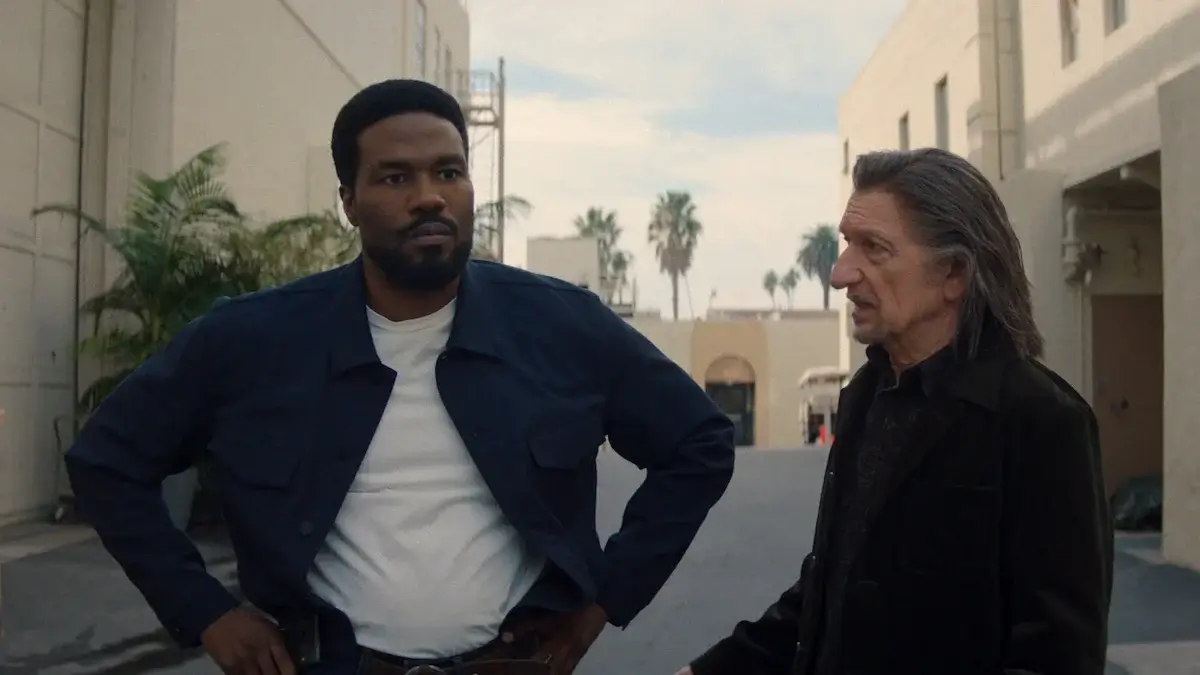
Simon Williams (played with intense sincerity by Yahya Abdul-Mateen II) could easily have been written as a parody of the over-serious actor. Early on, we watch him tank a tiny “American Horror Story” bit part because he’s so wrapped up in his process. The joke is sitting right there. The show simply refuses to make it. Instead, it treats Simon with respect. He loves movies. He takes acting seriously. And the longer you sit with him, the clearer it becomes that his anxiety and need for control aren’t vanity but self-preservation: Simon is hiding real, dangerous superpowers.
In the show’s version of the MCU, actors who actually possess powers are essentially uninsurable and therefore unhireable. It’s a clever piece of world-building, though one episode detours into an extended standalone origin story to explain how this rule came about, in more detail than the narrative truly needs. Still, the stakes are clear when Simon hustles his way into an audition to star as Wonder Man in a reboot of a beloved ’80s superhero film. Guiding him through this labyrinth is Trevor Slattery (Ben Kingsley, returning to one of the MCU’s most fascinating loose ends), the washed-up actor once hired to “play” the Mandarin as part of the con in “Iron Man 3.”
Trevor, of course, is carrying his own burden. He’s being coerced by the government into surveilling Simon, tasked with uncovering evidence of any dangerous abilities. Their relationship takes on a layered tension that almost evokes “Donnie Brasco” except here, the older, lower-status professional is the informant embedded with the younger rising star. The show even drops an unexpectedly lofty reference to “Midnight Cowboy” among its otherwise Disney-heavy cultural touchstones, which may well mark the first time an X-rated classic has been acknowledged inside a Marvel property. It’s a strange, oddly moving moment of cinephile recognition.
What makes “Wonder Man” work, when it does, is this relationship. Creators Destin Daniel Cretton (who brought surprising tenderness to “Short Term 12” and moments of intimacy even within the spectacle of “Shang-Chi”) and Andrew Guest wisely resist the temptation to turn Simon and Trevor into another quippy odd-couple duo. There’s no conveyor belt of banter, no sense that they’re just two more pieces in a sprawling ensemble designed to feed fandom. Instead, the show commits to something smaller and more vulnerable: two actors, both bruised by life, bonded by a genuine love of the craft and a quiet wish to simply do their work without fear.
Abdul-Mateen, who brings with him his own superhero baggage from playing the wounded, vengeful Black Manta in the “Aquaman” films, never mocks Simon’s intensity. He leans into it, lets it be awkward, lets it be raw. Kingsley, meanwhile, rescues Trevor from becoming a cartoon. His flamboyant anecdotes and theatricality come across not as schtick but as the defense mechanisms of someone who truly adores acting and is deeply ashamed of the compromises he’s made. There’s real pathos here, and you can feel it in the silences as much as in the dialogue.
As a character piece, “Wonder Man” is unusually restrained for Marvel. It’s quieter, more patient, more interested in interiority than spectacle. But it can’t entirely escape the structural issues that plague many of Marvel’s Disney+ efforts. Eight half-hour episodes—especially released all at once end up feeling less like television and more like a strangely paced, overlong movie. That pacing makes it even more noticeable that we’re spending far more time with Simon and Trevor than with marquee MCU figures like Doctor Strange or Carol Danvers. The black-and-white standalone episode, which seems designed to break up that rhythm, does help slightly but it’s also one of the weaker chapters, its stylistic choice more puzzling than illuminating. At over 200 minutes total, the series arguably outstays its welcome.
The show gestures toward a metaphor about closeted actors, evoking a Hollywood history where performers were forced to hide their identities to survive professionally. It’s a potentially powerful idea. But like many superhero allegories, it gets diluted by the genre’s built-in wish fulfillment. By the end, the metaphor has expanded so broadly that it loses much of its bite, becoming more vague than resonant. That, combined with other underdeveloped elements (and the baffling decision to waste Olivia Thirlby on yet another generic Marvel sadness arc), keeps “Wonder Man” from becoming the fully realized series it aspires to be.
Still, there’s something quietly encouraging about it. As an experiment in holding Marvel’s worst impulses at bay minimizing noise, dialing back fan service, focusing on character rather than IP sprawl “Wonder Man” works more often than you might expect.
It doesn’t save the MCU. It doesn’t reinvent the form. But in its best moments, sitting with two flawed actors who just want to be honest with their art, you can glimpse a different kind of Marvel project struggling to exist. And that, surprisingly, is enough to make it worth your time.
Wonder Man (TV Series, 2026) Parent Guide
Violence & Intensity: This is a character-driven Marvel story, not a nonstop action reel. There are moments of tension involving hidden superpowers, government surveillance, and the fear of losing control, which may feel psychologically intense for younger viewers. Some scenes carry emotional weight anxiety, paranoia, betrayal but large-scale destruction or graphic brutality appears limited compared to typical MCU entries.
Language: The dialogue leans toward grounded, adult conversation rather than edgy provocation. Expect occasional strong words in moments of stress or frustration, but nothing described suggests persistent profanity or hate speech. The tone is often serious, introspective, and sometimes melancholy.
Sexual Content / Nudity: The review does not indicate explicit sexual content or nudity. Romantic or emotional intimacy may exist, but if present, it appears subdued and character-focused rather than sensationalized. Parents concerned about explicit sexual imagery will likely find this milder than many adult dramas.
Drugs, Alcohol & Smoking: No heavy emphasis on substance use is described. There may be occasional adult behavior consistent with struggling actors and industry life drinking at events, possibly but nothing framed as excessive or central to the story.
Age Recommendations: Because of its mature themes identity suppression, anxiety, betrayal, emotional manipulation, and industry politics this series feels more appropriate for older teens and adults rather than younger children.
“Wonder Man” premieres Tuesday, Jan. 27, on Disney+.

Stephanie Heitman is a seasoned journalist and author dedicated to helping parents navigate the world of Hollywood entertainment through thoughtful, family-oriented film reviews. With over a decade of experience in writing and a passion for fostering safe, enriching viewing experiences, Stephanie launched Parentguiding.com to provide parents with the insights they need to make informed choices for their families.