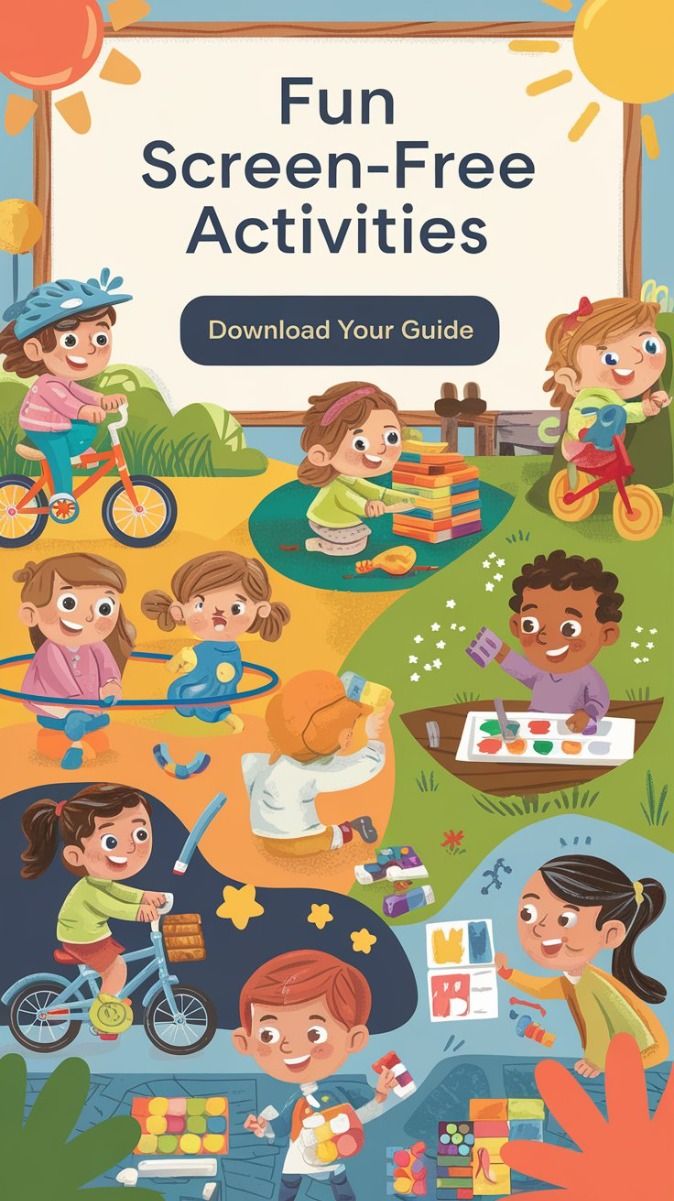
Video games are a huge part of modern childhood. Many kids love exploring digital worlds, solving puzzles, and leveling up their skills. While gaming can be fun and even educational, too much screen time can leave little room for other kinds of play.
The good news is that kids who love gaming often enjoy many of the same elements in offline activities strategy, creativity, competition, and exploration. With the right ideas, parents can offer exciting screen-free experiences that feel just as rewarding.
This parental guide reviews five activities that appeal to gaming-loving kids while encouraging imagination, social interaction, and hands-on learning.
1. Board Games That Feel Like Video Games
Age Rating: 7+
Violence: Minimal or none depending on the game
Language: Safe for family play
Safety: Generally safe; small pieces may require supervision for younger children
Board games are one of the best ways to capture the strategy and challenge that gamers enjoy. Many modern board games include missions, character abilities, and cooperative gameplay features that feel surprisingly similar to video games.
Kids who love problem-solving and competition often become deeply engaged with these tabletop adventures.
Why Kids Who Love Gaming Enjoy It
- Clear goals and missions
- Level-like progression
- Strategy and teamwork
- A sense of achievement after winning
Recommended Types of Board Games
Parents may want to look for:
- Adventure board games where players complete quests
- Strategy games that require planning and decision-making
- Cooperative games where players work together against the game
These styles mirror many popular gaming mechanics while keeping the experience social and interactive.
Benefits
- Improves critical thinking
- Encourages family bonding
- Builds patience and turn-taking skills
- Helps kids practice decision-making
Parent Tip
Let kids choose the board game. When they feel ownership over the activity, they’re more likely to stay engaged.
2. Real-Life Puzzle Challenges and Escape Rooms
Age Rating: 8+
Violence: None
Language: Family-friendly
Safety: Ensure puzzles and materials are safe for children
Many video games revolve around puzzles, hidden clues, and unlocking new areas. Escape-room-style challenges bring that same excitement into the real world.
Parents can create a simple puzzle challenge at home or visit a family-friendly escape room designed for kids.
How It Works
Kids solve clues, decode messages, and complete small tasks to reach the final solution. Each solved puzzle unlocks the next stage of the challenge.
This style of play feels very similar to progressing through levels in a game.
Simple Home Setup
You don’t need complicated props. A basic puzzle challenge might include:
- Hidden clues around the house
- Word puzzles or riddles
- Locked boxes with combination codes
- Treasure hunts with maps
Benefits
- Strengthens problem-solving skills
- Encourages teamwork between siblings or friends
- Builds persistence and logical thinking
Parent Tip
Start with easier puzzles and gradually increase difficulty so kids stay motivated rather than frustrated.
3. Outdoor Adventure Quest Games
Age Rating: 6+
Violence: None
Language: Safe for all ages
Safety: Supervise outdoor exploration and set boundaries
Outdoor quest games transform a backyard or park into a fantasy adventure map. Kids can become explorers, heroes, or treasure hunters completing missions in the real world.
This activity captures the sense of exploration found in open-world video games.
Example Quest Ideas
Parents can design a simple adventure storyline such as:
- Finding hidden treasure
- Rescuing a lost explorer
- Collecting magical items
- Completing physical challenges to unlock clues
Each step of the quest moves the story forward.
Why Gamer Kids Love It
- Clear objectives
- A sense of adventure
- Exploration and discovery
- Rewards for completing missions
Benefits
- Encourages outdoor play
- Improves physical activity
- Builds creativity and storytelling skills
Parent Tip
Add simple rewards at the end of the quest such as stickers, small prizes, or choosing the next family movie night.
4. Creative Building Challenges
Age Rating: 6+
Violence: None
Language: Safe
Safety: Avoid very small pieces for younger children
Many popular video games involve building, crafting, and designing structures. Real-world building challenges bring that same creative energy into hands-on play.
Kids can use materials like:
- LEGO bricks
- Wooden blocks
- Craft supplies
- Cardboard boxes
Challenge Ideas
Parents can introduce fun building missions such as:
- Build the tallest tower
- Design a futuristic city
- Create a maze for a marble
- Build a bridge that can hold books
These challenges mirror the creativity found in construction-style video games.
Benefits
- Develops spatial thinking
- Strengthens problem-solving skills
- Encourages creativity and experimentation
- Improves patience and focus
Parent Tip
Set time limits or themes to make the challenge feel more like a “game level.”
5. Story-Driven Role-Playing Games
Age Rating: 9+
Violence: Depends on story themes but can remain mild
Language: Parent-guided storytelling recommended
Safety: Ensure themes stay age-appropriate
Role-playing games allow kids to step into the role of heroes, explorers, or detectives. Instead of controlling a character on a screen, they imagine the adventure together with friends or family.
One person acts as the storyteller while others play characters in the story.
How the Game Works
Players describe what their characters do in different situations, while the storyteller presents new challenges and plot twists.
For example:
- Exploring a mysterious island
- Solving a detective mystery
- Traveling through space
Why Gamer Kids Enjoy It
- Character progression and abilities
- Immersive storytelling
- Problem-solving and strategy
- Creative freedom
Benefits
- Improves communication skills
- Encourages imagination
- Builds cooperation and teamwork
- Helps kids practice storytelling
Parent Tip
Keep stories light and adventurous rather than intense. The goal is creative fun, not stressful situations.
Helping Gamer Kids Enjoy Screen-Free Time
Parents sometimes worry that kids who love video games will resist activities without screens. In reality, many gaming skills transfer naturally to offline play.
Here are a few ways to make the transition smoother.
Connect Activities to Gaming Interests
If a child loves exploration games, they may enjoy treasure hunts or outdoor quests. If they enjoy strategy games, board games and puzzles may be appealing.
Matching activities to existing interests makes them feel familiar.
Keep Challenges and Rewards
Games often include goals, achievements, and progress. Offline activities can include similar features such as:
- Levels of difficulty
- Time challenges
- Points or rewards
- Team competitions
These elements keep kids motivated.
Join the Fun
Kids are far more likely to enjoy an activity if parents participate. Family involvement turns screen-free time into shared experiences rather than restrictions.
Age Rating Overview
These activities are generally safe for children, but parents should still consider age and maturity.
Violence:
Most activities involve little or no violent themes. Any adventure or storytelling elements can be adjusted to remain kid-friendly.
Language:
Because these activities happen in family settings, language can remain appropriate for children.
Safety:
Parents should supervise younger children, especially during outdoor exploration or activities involving small pieces.
Final Thoughts
Video games offer excitement, challenge, and creativity. Fortunately, those same elements exist in many real-world activities. With a little imagination, parents can introduce screen-free experiences that feel just as engaging.
Board games, puzzle challenges, outdoor quests, building activities, and storytelling games all tap into the same curiosity and problem-solving skills that gamers enjoy.
Instead of replacing gaming completely, these activities expand a child’s playtime and create opportunities for learning, creativity, and family connection.
For parents looking to balance screen time with meaningful offline play, these five activities are a great place to start.

Stephanie Heitman is a seasoned journalist and author dedicated to helping parents navigate the world of Hollywood entertainment through thoughtful, family-oriented film reviews. With over a decade of experience in writing and a passion for fostering safe, enriching viewing experiences, Stephanie launched Parentguiding.com to provide parents with the insights they need to make informed choices for their families.